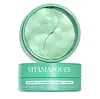
This anti-aging eye mask is formulated around Sodium Hyaluronate and 3-O-Ethyl Ascorbic Acid to soften the look of wrinkles and hydrate skin.
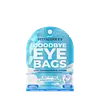
This hydrating eye mask is formulated around Panthenol and Niacinamide to hydrate skin and soften the look of wrinkles.

What's inside
What's inside
 Key Ingredients
Benefits
Concerns
No concerns
Ingredients Side-by-side


Water
Skin ConditioningDipropylene Glycol
HumectantGlycerin
Humectant


Ceratonia Siliqua Gum
EmollientChondrus Crispus Powder
Abrasive


Betaine
Humectant
Chondrus Crispus
Masking
Panthenol
Skin Conditioning
Hydroxyacetophenone
Antioxidant
Cellulose Gum
Emulsion StabilisingAlgin
MaskingCaprylyl Glycol
Emollient
Boron Nitride
Absorbent
Potassium Chloride
Niacinamide
Smoothing






Allantoin
Skin Conditioning
Isophorone Diamine/Isophthalic Acid/Tromethamine Copolymer
Sucrose
Humectant
Synthetic Fluorphlogopite
Calcium Aluminum Borosilicate
Polysorbate 20
Emulsifying

Maltodextrin
Absorbent
Pantolactone
Humectant
Mica
Cosmetic ColorantSilica
Abrasive
Indigofera Tinctoria Leaf Extract
Skin ConditioningDipotassium Glycyrrhizate
Humectant
Propanediol
Solvent
Squalane
Emollient
Caffeine
Skin Conditioning
Ascorbic Acid
Antioxidant
1,2-Hexanediol
Skin Conditioning
Butylene Glycol
Humectant
Tin Oxide
Abrasive
Polyglyceryl-10 Laurate
Skin Conditioning
Benzyl Glycol
SolventHydrolyzed Glycosaminoglycans
HumectantSodium Hyaluronate
Humectant
Ethylhexylglycerin
Skin ConditioningSodium Hyaluronate Crosspolymer
Humectant
Camellia Sinensis Leaf Extract
Antimicrobial
Tripeptide-1
Skin Conditioning
Hydrolyzed Hyaluronic Acid
Humectant
Hydroxypropyltrimonium Hyaluronate
Palmitoyl Tripeptide-1
Skin Conditioning
Hexapeptide-9
Skin Conditioning
Hexapeptide-11
Skin Conditioning
Acetyl Tetrapeptide-2
Skin Conditioning
Palmitoyl Pentapeptide-4
Skin Conditioning
Acetyl Tetrapeptide-5
Humectant
Copper Tripeptide-1
Skin Conditioning
Collagen Extract
Skin Conditioning
Hyaluronic Acid
Humectant
Palmitoyl Tripeptide-5
Skin Conditioning
Sodium Acetylated Hyaluronate
Humectant
Disodium EDTA
ChelatingCI 77891
Cosmetic ColorantCI 42090
Cosmetic ColorantWater, Dipropylene Glycol, Glycerin, Ceratonia Siliqua Gum, Chondrus Crispus Powder, Betaine, Chondrus Crispus, Panthenol, Hydroxyacetophenone, Cellulose Gum, Algin, Caprylyl Glycol, Boron Nitride, Potassium Chloride, Niacinamide, Allantoin, Isophorone Diamine/Isophthalic Acid/Tromethamine Copolymer, Sucrose, Synthetic Fluorphlogopite, Calcium Aluminum Borosilicate, Polysorbate 20, Maltodextrin, Pantolactone, Mica, Silica, Indigofera Tinctoria Leaf Extract, Dipotassium Glycyrrhizate, Propanediol, Squalane, Caffeine, Ascorbic Acid, 1,2-Hexanediol, Butylene Glycol, Tin Oxide, Polyglyceryl-10 Laurate, Benzyl Glycol, Hydrolyzed Glycosaminoglycans, Sodium Hyaluronate, Ethylhexylglycerin, Sodium Hyaluronate Crosspolymer, Camellia Sinensis Leaf Extract, Tripeptide-1, Hydrolyzed Hyaluronic Acid, Hydroxypropyltrimonium Hyaluronate, Palmitoyl Tripeptide-1, Hexapeptide-9, Hexapeptide-11, Acetyl Tetrapeptide-2, Palmitoyl Pentapeptide-4, Acetyl Tetrapeptide-5, Copper Tripeptide-1, Collagen Extract, Hyaluronic Acid, Palmitoyl Tripeptide-5, Sodium Acetylated Hyaluronate, Disodium EDTA, CI 77891, CI 42090
Ingredients Explained
These ingredients are found in both products.
Ingredients higher up in an ingredient list are typically present in a larger amount.
Caprylyl Glycol is a humectant, skin conditioner, emollient, and preservative booster derived from either caprylic acid or synthetically created.
Typical use levels vary from 0.3-1% as a preservative booster and go up to 2% to condition skin.
Because it is not a free-fatty acid, this ingredient is fungal acne safe (there's nothing for Malassezia to feed on).
Learn more about Caprylyl GlycolEthylhexylglycerin is created from glycerin. It is a multitasker ingredient that:
The CIR Expert Panel found minimal skin absorption or sensitization of any kind in a safety assessment. Though this ingredient is considered well-tolerated, a small number of cases of allergic dermatitis have been published since 2002. Just be sure to patch test if you are unsure.
Industry-reported use ranges from 8% in rinse-off products and 2% in leave-on formulations.
Learn more about EthylhexylglycerinPalmitoyl Tripeptide-5 is a synthetic signal lipopeptide. This just means it is a three amino acid chain bolted onto a palmitic acid tail so it can slip through the skin's lipid barrier.
This peptide has a "build more, lose less" approach.
It's designed to mimic the collagen-stimulating activity in your skin by copying a snippet of one of your skin's own matrix proteins. This nudges fibroblasts into making more collagen while inhibiting the enzyme that breaks down skin protein.
The manufacturer's in vivo study of 45 volunteers found 1% and 2.5% reduced the appearance of wrinkles by 7% and 12% respectively, after using it twice daily for 84 days.
This is in the expected range for peptides; they're slow and cumulative actives and not overnight fixers.
Typical use levels range from 1-3% and this ingredient gets along with pretty much everything.
On the fungal acne front:
Although palmitic acid sits in the chain length that Malassezia can feed on, this ingredient has it locked in an amine bond. This makes it hard for Malassezia to access as a source of food, and therefore fungal acne safe.
Sodium Hyaluronate is the salt form of hyaluronic acid. It is a long sugar chain that is naturally found in your skin, joints, and connective tissue that maintains hydration and elasticity.
In skincare, it works as a humectant. It pulls water from the environment and deeper layers of skin and binds it to the surface.
Interestingly, the size of the molecule affects its behavior:
Some clinical evidence links low molecular weight versions to improved wrinkle depth, elasticity, anti-inflammatory effects, and barrier repair.
Many serums use a blend of both weights so you can get surface hydration plus longer-lasting and deeper effects.
You'll typically see concentrations between 0.1-2% for this ingredient.
Learn more about Sodium HyaluronateTin Oxide is an inorganic oxide used to add opacity and volume to a product. In nature, it is already found in mineral form. The main ore of tin is an opaque and shiny mineral called casseterite.
Tin Oxide helps remove translucency in a product, or make it more opaque. Besides adding opacity, tin oxide is used for bulking to add volume.


