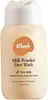
This smoothing exfoliator is formulated around Zea Mays Starch and Papain to refine skin texture and balance excess oil.
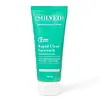
This benzoyl peroxide gel cleanser is formulated around Benzoyl Peroxide to clear breakouts and help reduce acne-causing bacteria.

What's inside
What's inside
 Key Ingredients
Benefits
Concerns
No concerns
Ingredients Side-by-side
Benzoyl Peroxide





Glycolic Acid
Buffering








Ceramide AP
Skin Conditioning




Hyaluronic Acid
Humectant
Glycerin
Humectant
Glycyrrhiza Glabra Root Extract
Bleaching
Allantoin
Skin Conditioning
Panthenol
Skin Conditioning
Water
Skin ConditioningSodium Lauroyl Sarcosinate
CleansingDecyl Glucoside
Cleansing
Propanediol
Solvent
Acrylates/C10-30 Alkyl Acrylate Crosspolymer
Emulsion StabilisingPhenoxyethanol
Preservative
Ethylhexylglycerin
Skin ConditioningSodium Hydroxide
BufferingPhytosphingosine
Skin Conditioning
Cholesterol
Emollient
Disodium EDTA
ChelatingSodium Lauroyl Lactylate
EmulsifyingCarbomer
Emulsion StabilisingXanthan Gum
EmulsifyingBenzoyl Peroxide, Glycolic Acid, Ceramide AP, Hyaluronic Acid, Glycerin, Glycyrrhiza Glabra Root Extract, Allantoin, Panthenol, Water, Sodium Lauroyl Sarcosinate, Decyl Glucoside, Propanediol, Acrylates/C10-30 Alkyl Acrylate Crosspolymer, Phenoxyethanol, Ethylhexylglycerin, Sodium Hydroxide, Phytosphingosine, Cholesterol, Disodium EDTA, Sodium Lauroyl Lactylate, Carbomer, Xanthan Gum
Ingredients Explained
These ingredients are found in both products.
Ingredients higher up in an ingredient list are typically present in a larger amount.
Hyaluronic acid (HA) is a glycosaminoglycan (basically a long sugar chain) that your skin already makes on its own. In your skin, HA lives in the extracellular matrix and acts as the body's moisture reservoir.
Topically, HA is a humectant that binds water and helps skin look more plump, smooth, and hydrated.
The only catch is that HA isn't a single thing; it actually comes in a wide range of molecular weights (~50 - 2,000+ kDA) and size matters.
Some clinical evidence links low molecular weight versions to improved wrinkle depth, elasticity, anti-inflammatory effects, and barrier repair.
This is why the best HA serums blend the two sizes together so you get the best of both worlds.
The majority of cosmetic HA is produced by bacterial fermentation, typically using Streptococcus or Bacillus strains. Typical use levels in skincare sit around 0.1-2%.
A clinical study using a 0.2% low-molecular weight HA gel showed improvement in facial seborrheic dermatitis with excellent tolerance.
These are some other common types of Hyaluronic Acid:
Learn more about Hyaluronic AcidSodium Lauroyl Sarcosinate is a cleansing agent and emulsifier. It is a surfactant derived from sarcosine, and a common source is coconut oil.
As a surfactant, Sodium Lauroyl Sarcosinate helps lift dirts, oil, and other molecules to be washed away. In leave-on products, this ingredient is used as an emulsifier. Emulsifier help prevent ingredients such as oils and waters from separating.
Sodium Lauroyl Sarcosinate is also commonly found as a foaming agent in shampoo, toothpaste, and shaving foam. It is amphiphilic, meaning it loves both water and fats.
Learn more about Sodium Lauroyl Sarcosinate

