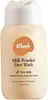
This smoothing exfoliator is formulated around Zea Mays Starch and Papain to refine skin texture and balance excess oil.


What's inside
What's inside
 Key Ingredients
Benefits
Concerns
No concerns
Ingredients Side-by-side

Water
Skin ConditioningHamamelis Virginiana Leaf Water
Astringent
Cocamidopropyl Betaine
Cleansing


Glycerin
Humectant


Sodium Laureth Sulfate
Cleansing

PEG-7 Glyceryl Cocoate
Emulsifying
Acrylates/C10-30 Alkyl Acrylate Crosspolymer
Emulsion StabilisingBenzophenone-4
UV Absorber
Citric Acid
Buffering

Hydrated Silica
Abrasive
Hydroxypropyl Cyclodextrin
MaskingIodopropynyl Butylcarbamate
Preservative
Niacinamide
Smoothing








Panthenol
Skin Conditioning
Pantolactone
Humectant
Phenoxyethanol
Preservative
Potassium Sorbate
Preservative
Sodium Benzoate
Masking
Sodium Chloride
MaskingSodium Hydroxide
BufferingThymus Vulgaris Flower/Leaf Extract
MaskingXanthan Gum
EmulsifyingZinc PCA
Humectant
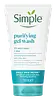
Water, Hamamelis Virginiana Leaf Water, Cocamidopropyl Betaine, Glycerin, Sodium Laureth Sulfate, PEG-7 Glyceryl Cocoate, Acrylates/C10-30 Alkyl Acrylate Crosspolymer, Benzophenone-4, Citric Acid, Hydrated Silica, Hydroxypropyl Cyclodextrin, Iodopropynyl Butylcarbamate, Niacinamide, Panthenol, Pantolactone, Phenoxyethanol, Potassium Sorbate, Sodium Benzoate, Sodium Chloride, Sodium Hydroxide, Thymus Vulgaris Flower/Leaf Extract, Xanthan Gum, Zinc PCA
Reviews
Ingredients Explained
These ingredients are found in both products.
Ingredients higher up in an ingredient list are typically present in a larger amount.
Sodium Benzoate is a preservative. It's used in both cosmetic and food products to inhibit the growth of mold and bacteria. It is typically produced synthetically.
Both the US FDA and EU Health Committee have approved the use of sodium benzoate. In the US, levels of 0.1% (of the total product) are allowed.
Sodium benzoate works as a preservative by inhibiting the growth of bacteria inside of cells. It prevents the cell from fermenting a type of sugar using an enzyme called phosphofructokinase.
It is the salt of benzoic acid. Foods containing sodium benzoate include soda, salad dressings, condiments, fruit juices, wines, and snack foods.
Studies for using ascorbic acid and sodium benzoate in cosmetics are lacking, especially in skincare routines with multiple steps.
We always recommend speaking with a professional, such as a dermatologist, if you have any concerns.
Learn more about Sodium Benzoate

