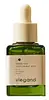
This hydrating serum is formulated around Sodium Hyaluronate and Panthenol to hydrate skin and calm redness.
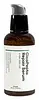
This barrier-repair serum is formulated around Panthenol and Hexapeptide-11 to strengthen the skin barrier and calm redness.

What's inside
What's inside
 Key Ingredients
Benefits
Ingredients Side-by-side
Water
Skin ConditioningGlycerin
Humectant


Butylene Glycol
Humectant
1,2-Hexanediol
Skin Conditioning
Glycereth-26
Humectant
Betaine
Humectant
Sodium Hyaluronate
Humectant


Panthenol
Skin Conditioning
Hydroxypropyl Methylcellulose
Emulsion StabilisingCarbomer
Emulsion StabilisingTromethamine
BufferingEthylhexylglycerin
Skin ConditioningAllantoin
Skin Conditioning
Disodium EDTA
ChelatingSodium Chloride
MaskingCamellia Sinensis Leaf Extract
Antimicrobial



Sodium PCA
Humectant
Hydrolyzed Hyaluronic Acid
Humectant
Sodium Acetylated Hyaluronate
Humectant
Water, Glycerin, Butylene Glycol, 1,2-Hexanediol, Glycereth-26, Betaine, Sodium Hyaluronate, Panthenol, Hydroxypropyl Methylcellulose, Carbomer, Tromethamine, Ethylhexylglycerin, Allantoin, Disodium EDTA, Sodium Chloride, Camellia Sinensis Leaf Extract, Sodium PCA, Hydrolyzed Hyaluronic Acid, Sodium Acetylated Hyaluronate
Water
Skin ConditioningPropanediol
Solvent
Glycereth-26
Humectant
1,2-Hexanediol
Skin Conditioning
Panthenol
Skin Conditioning
Butylene Glycol
Humectant
Tromethamine
BufferingCarbomer
Emulsion StabilisingAcrylates/C10-30 Alkyl Acrylate Crosspolymer
Emulsion StabilisingBetaine
Humectant
Xanthan Gum
EmulsifyingDisodium EDTA
ChelatingLecithin
Emollient
Acetyl Glutamine
Skin ConditioningAspalathus Linearis Extract
Skin ConditioningSodium Hyaluronate
Humectant
Caprylyl Glycol
Emollient
Bacillus/Soybean Ferment Extract
Skin ConditioningOligopeptide-1
Skin Conditioning


Folic Acid
Skin ConditioningHexapeptide-11
Skin Conditioning
Oligopeptide-2
Skin Conditioning
Oligopeptide-3
Skin Conditioning
Centella Asiatica Extract
Cleansing
Camellia Sinensis Leaf Extract
Antimicrobial
Pyrus Malus Fruit Extract
Skin Conditioning
Fragaria Chiloensis Fruit Extract
Skin Conditioning
Vaccinium Angustifolium Fruit Extract
Skin Protecting
Arctostaphylos Uva-Ursi Leaf Extract
Skin Conditioning
Rubus Fruticosus Fruit Extract
AstringentMadecassoside
Antioxidant
Asiaticoside
Antioxidant
Madecassic Acid
Skin Conditioning
Asiatic Acid
Skin Conditioning
Water, Propanediol, Glycereth-26, 1,2-Hexanediol, Panthenol, Butylene Glycol, Tromethamine, Carbomer, Acrylates/C10-30 Alkyl Acrylate Crosspolymer, Betaine, Xanthan Gum, Disodium EDTA, Lecithin, Acetyl Glutamine, Aspalathus Linearis Extract, Sodium Hyaluronate, Caprylyl Glycol, Bacillus/Soybean Ferment Extract, Oligopeptide-1, Folic Acid, Hexapeptide-11, Oligopeptide-2, Oligopeptide-3, Centella Asiatica Extract, Camellia Sinensis Leaf Extract, Pyrus Malus Fruit Extract, Fragaria Chiloensis Fruit Extract, Vaccinium Angustifolium Fruit Extract, Arctostaphylos Uva-Ursi Leaf Extract, Rubus Fruticosus Fruit Extract, Madecassoside, Asiaticoside, Madecassic Acid, Asiatic Acid
Ingredients Explained
These ingredients are found in both products.
Ingredients higher up in an ingredient list are typically present in a larger amount.
1,2-Hexanediol is a synthetic liquid and another multi-functional powerhouse.
It is a:
- Humectant, drawing moisture into the skin
- Emollient, helping to soften skin
- Solvent, dispersing and stabilizing formulas
- Preservative booster, enhancing the antimicrobial activity of other preservatives
Betaine is a humectant. Like hyaluronic acid, it helps attract and retain moisture in the skin. It’s known for being gentle and for helping the skin maintain balanced hydration.
Betaine is mainly used to improve hydration and support calmer skin. It helps skin cells regulate water balance because it functions as an osmolyte.
Some studies suggest betaine may support making skin tone more even.
Fun fact: Betaine naturally exists in the skin and the body. In cosmetic products, it can be either plant-derived (most commonly from sugar beets) or synthetically produced for consistency and stability.
Betaine is also known as trimethylglycine.
Learn more about BetaineButylene Glycol (or BG) is used within cosmetic products for a few different reasons:
Overall, Butylene Glycol is a safe and well-rounded ingredient that works well with other ingredients.
Though this ingredient works well with most skin types, some people with sensitive skin may experience a reaction such as allergic rashes, closed comedones, or itchiness.
Learn more about Butylene GlycolCamellia Sinensis Leaf Extract (tea extract) is one of the most well-researched plant extracts in skincare with an impressive resume.
Black tea, green tea, and oolong tea are all harvested from the Camellia Sinensis plant.
Studies show green tea extract and its catechins (like epigallocatechin gallate (EGCG)) help your skin cells product energy more efficiently and reducing the number of free-radicals that can damage your skin from the inside.
In lab-grown skin models, this translated to younger, healthier, and stronger skin.
There's also good sun protection data; researchers saw less DNA damage and redness on human skin when green tea was applied before UVB exposure. And the more they applied, the better the protection.
Needless to say, this ingredient shouldn't replace your sunscreen. But it is a great supportive ingredient that you can already find in many sunscreens and antioxidant serums.
A 2009 study found a 2% green tea lotion was effective for mild-to-moderate acne thanks to its anti-inflammatory and mild antimicrobial activity.
The quality of the extract matters a lot here:
Good extracts contain 50-90% catechins while lower quality ones are mostly there for marketing. We recommend reaching out to the brand if you have questions about the quality or source of their ingredients.
Human Repeated Insult Patch Testing showed no irritation or sensitization at use concentrations (0.86% in leave-on products and up to 30% as leaf water).
Learn more about Camellia Sinensis Leaf ExtractCarbomer is a synthetic thickening and gelling agent. It's basically the ingredient that gives a lot of serums, gels, creams, and sunscreens their smooth, non-sticky texture.
Although legally permitted at very high levels, carbomers are normally used at concentrations below 1%.
It also needs to be neutralized to actually thicken, and because it is a large molecule, it doesn't really penetrate the skin barrier.
Allergy-wise, the risk is very low. Clinical studies show carbomers have low potential for skin irritation/sensitization even at concentrations up to 100%.
A 2024 UK study patch-tested 1,302 patients and found true allergy to the parent group of carbomer to be rare with no confirmed relevant reactions.
Learn more about CarbomerDisodium EDTA is a chelating agent. It grabs onto and deactivates metal ions that sneak into your products from water, packaging, or air.
This ingredient mainly works behind the scenes and helps with:
On top of that, this ingredient can counteract the effects of hard water by binding to the minerals in it.
One thing worth knowing is that Disodium EDTA has been shown to be a mild penetration enhancer. It can help other ingredients absorb into skin more effectively which can be a double-edged sword (great for actives, but can also make the active too strong if you have sensitive skin).
Clinical patch testing showed no significant skin irritation at typical use concentrations and minimal dermal absorption.
You'll most likely see this ingredient near the end of an ingredient list. It's typically found in concentrations less than 1%.
Learn more about Disodium EDTAGlycereth-26 is a synthetic ingredient and polyethylene glycol ether of Glycerin. Glycerin is already naturally found in your skin and helps keep your skin moisturized.
It is a humectant and helps add texture to products. It can make your product thicker.
As a humectant, it helps draw moisture from the air to your skin. This helps your skin stay hydrated.
Learn more about Glycereth-26Panthenol is a common ingredient that helps hydrate and soothe the skin. It is found naturally in our skin and hair.
There are two forms of panthenol: D and L.
D-panthenol is also known as dexpanthenol. Most cosmetics use dexpanthenol or a mixture of D and L-panthenol.
Panthenol is famous due to its ability to go deeper into the skin's layers. Using this ingredient has numerous pros (and no cons):
Like hyaluronic acid, panthenol is a humectant. Humectants are able to bind and hold large amounts of water to keep skin hydrated.
This ingredient works well for wound healing. It works by increasing tissue in the wound and helps close open wounds.
Once oxidized, panthenol converts to pantothenic acid. Panthothenic acid is found in all living cells.
This ingredient is also referred to as pro-vitamin B5.
Learn more about PanthenolSodium Hyaluronate is the salt form of hyaluronic acid. It is a long sugar chain that is naturally found in your skin, joints, and connective tissue that maintains hydration and elasticity.
In skincare, it works as a humectant. It pulls water from the environment and deeper layers of skin and binds it to the surface.
Interestingly, the size of the molecule affects its behavior:
Some clinical evidence links low molecular weight versions to improved wrinkle depth, elasticity, anti-inflammatory effects, and barrier repair.
Many serums use a blend of both weights so you can get surface hydration plus longer-lasting and deeper effects.
You'll typically see concentrations between 0.1-2% for this ingredient.
Learn more about Sodium HyaluronateTromethamine (aka THAM) is a synthetic amino acid that shows up in skincare as a helper ingredient.
It functions as a pH adjuster to help neutralize acidic ingredients and set a formula's pH to the right spot.
This matters a lot because a lot of actives (like vitamin C) needs a specific pH to work well and feel comfortable on skin.
Concentration use ranges from 0.1-1.0% depending on the formula.
Learn more about TromethamineWater. It's the most common cosmetic ingredient of all. You'll usually see it at the top of ingredient lists, meaning that it makes up the largest part of the product.
So why is it so popular? Water most often acts as a solvent - this means that it helps dissolve other ingredients into the formulation.
You'll also recognize water as that liquid we all need to stay alive. If you see this, drink a glass of water. Remember to stay hydrated!
Learn more about Water

