

What's inside
What's inside
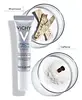 Key Ingredients
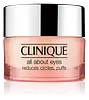
Benefits
Concerns
Ingredients Side-by-side
Water
Skin ConditioningDimethicone
Emollient

Hydrogenated Polyisobutene
EmollientGlycerin
Humectant

Cetyl Alcohol
Emollient


Glyceryl Stearate
Emollient
Polymethyl Acrylate
Methyl Methacrylate
PEG-40 Stearate
Emulsifying
Cera Alba
Emollient

Beeswax
Emulsion Stabilising
Potassium Cetyl Phosphate
EmulsifyingStearic Acid
Cleansing
Stearyl Alcohol
Emollient
Sorbitan Tristearate
EmulsifyingTriethanolamine
BufferingCaffeine
Skin Conditioning

Methylparaben
Preservative



Silica
Abrasive


Sodium Benzoate
Masking
Sodium Dextran Sulfate
Gel Forming
Myristyl Alcohol
Emollient
Escin
TonicPalmitic Acid
Emollient
Rhamnose
HumectantPhenoxyethanol
Preservative
Adenosine
Skin Conditioning
Magnesium Ascorbyl Phosphate
Antioxidant




Tocopheryl Acetate
Antioxidant
Poloxamer 338
EmulsifyingAscorbyl Glucoside
Antioxidant
Hydrolyzed Rice Protein
Skin ConditioningPentylene Glycol
Skin Conditioning
Water, Dimethicone, Hydrogenated Polyisobutene, Glycerin, Cetyl Alcohol, Glyceryl Stearate, Polymethyl Acrylate, Methyl Methacrylate, PEG-40 Stearate, Cera Alba, Beeswax, Potassium Cetyl Phosphate, Stearic Acid, Stearyl Alcohol, Sorbitan Tristearate, Triethanolamine, Caffeine, Methylparaben, Silica, Sodium Benzoate, Sodium Dextran Sulfate, Myristyl Alcohol, Escin, Palmitic Acid, Rhamnose, Phenoxyethanol, Adenosine, Magnesium Ascorbyl Phosphate, Tocopheryl Acetate, Poloxamer 338, Ascorbyl Glucoside, Hydrolyzed Rice Protein, Pentylene Glycol
Cyclopentasiloxane
Emollient
Water
Skin ConditioningIsostearyl Palmitate
Emollient
Polyethylene
Abrasive
Butylene Glycol
Humectant
Polysilicone-11
Ethylene/Acrylic Acid Copolymer
Emulsion StabilisingMorus Bombycis Root Extract
Skin ConditioningCaffeine
Skin Conditioning
Phytosphingosine
Skin Conditioning
Triticum Vulgare Bran Extract
Skin ConditioningScutellaria Baicalensis Root Extract
Astringent
Lactis Proteinum
Skin ConditioningOlea Europaea Fruit Extract
BleachingCamellia Sinensis Leaf Extract
Antimicrobial
Cholesterol
Emollient
Linoleic Acid
Cleansing
Tocopheryl Acetate
Antioxidant
Magnesium Ascorbyl Phosphate
Antioxidant
Pyridoxine Dipalmitate
Skin ConditioningSucrose
Humectant
Glycerin
Humectant
Dimethicone
Emollient
Glyceryl Laurate
Emollient
PEG/PPG-18/18 Dimethicone
Emulsifying
Petrolatum
Emollient
Cetyl PEG/PPG-10/1 Dimethicone
Emulsifying
Propylene Carbonate
SolventSodium Chloride
MaskingQuaternium-90 Bentonite
Disodium EDTA
Phenoxyethanol
Preservative
Iron Oxides
Cyclopentasiloxane, Water, Isostearyl Palmitate, Polyethylene, Butylene Glycol, Polysilicone-11, Ethylene/Acrylic Acid Copolymer, Morus Bombycis Root Extract, Caffeine, Phytosphingosine, Triticum Vulgare Bran Extract, Scutellaria Baicalensis Root Extract, Lactis Proteinum, Olea Europaea Fruit Extract, Camellia Sinensis Leaf Extract, Cholesterol, Linoleic Acid, Tocopheryl Acetate, Magnesium Ascorbyl Phosphate, Pyridoxine Dipalmitate, Sucrose, Glycerin, Dimethicone, Glyceryl Laurate, PEG/PPG-18/18 Dimethicone, Petrolatum, Cetyl PEG/PPG-10/1 Dimethicone, Propylene Carbonate, Sodium Chloride, Quaternium-90 Bentonite, Disodium EDTA, Phenoxyethanol, Iron Oxides
Reviews
Ingredients Explained
These ingredients are found in both products.
Ingredients higher up in an ingredient list are typically present in a larger amount.
Caffeine is a naturally occurring plant compound found in coffee beans, tea leaves, cocoa pods, and guarana.
As an antioxidant, caffeine protects your skin from free radical damage caused by UV exposure and envionrmnetal stressors.
Early research also shows that caffeine can help calm redness, soothe irritated skin, and support hair growth by stimulating microcirculation in the scalp.
You might have seen eye creams marketing caffeine as a depuffing ingredient. This is because it is a vasoconstrictor meaning it can temporarily constrict blood vessels, though clinical evidence for this specific use is still limited.
Most skincare products contain this ingredient at concentrations between 1-6%. It is able to penetrate skin easily regardless of skin type or thickness.
Just so you know, a very small number of case reports describe caffeine-induced allergy. This ingredient is generally well-tolerated, non-irritating, and non-sensitizing for the majority of people.
Learn more about CaffeineDimethicone is a type of synthetic silicone created from natural materials such as quartz. It is also known as polydimethylsiloxane.
What it does:
Dimethicone comes in different viscosities:
Depending on the viscosity, dimethicone has different properties.
Ingredients lists don't always show which type is used, so we recommend reaching out to the brand if you have questions about the viscosity.
This ingredient is unlikely to cause irritation because it does not get absorbed into skin. However, people with silicone allergies should be careful about using this ingredient.
Note: Dimethicone may contribute to pilling. This is because it is not oil or water soluble, so pilling may occur when layered with products. When mixed with heavy oils in a formula, the outcome is also quite greasy.
Learn more about DimethiconeGlycerin (or glycerol) is a compound naturally found in your skin. It's a powerhouse humectant that pulls water into the stratum corneum.
Topically, glycerin does several things at once:
Your skin makes glycerin on its own (mostly from sebaceous oil breakdown) and shuttles it to your outermost layer of skin, or your epidermis, via aquaporin-3.
Aquaporin-3 is a transporter that is essential for normal skin hydration, elasticity, and repair. Interestingly, mice lacking in AQP3 have dry and less elastic skin that can be fully corrected with glycerin.
This ingredient is non-irritating, plays well with almost every ingredient, and works across all skin types. Typical use is anywhere between 3-10% but can go up to 79% in some leave-on products.
Just know very high concentrations (>40%) can feel tacky in low humidity.
Glycerin is the name for this ingredient in American English. British English uses Glycerol/Glycerine.
Learn more about GlycerinMagnesium Ascorbyl Phosphate (MAP) is a water-soluble form of Vitamin C. It is used in skincare because it tends to be more formulation friendly than pure vitamin C (ascorbic acid).
According to research, MAP has three major benefits:
While MAP is gentler on the skin than ascorbic acid, it is thought to be less easily absorbed into the skin.
In a well-known absorption study, pure vitamin C increased skin vitamin C levels when formulated correctly, but derivatives like MAP did not in that experiment. This suggests MAP may not always convert into active vitamin C in the skin.
Due to MAP's stability up to a pH level of 7, it is more stable to air and sunlight exposure than ascorbic acid. The best pH range for MAP is between 5 and 6.
Learn more about Magnesium Ascorbyl PhosphatePhenoxyethanol is a preservative that has germicide, antimicrobial, and aromatic properties. Studies show that phenoxyethanol can prevent microbial growth. By itself, it has a scent that is similar to that of a rose.
It's often used in formulations along with Caprylyl Glycol to preserve the shelf life of products.
Tocopheryl Acetate is AKA Vitamin E. It is an antioxidant and protects your skin from free radicals. Free radicals damage the skin by breaking down collagen.
One study found using Tocopheryl Acetate with Vitamin C decreased the number of sunburned cells.
Tocopheryl Acetate is commonly found in both skincare and dietary supplements.
Learn more about Tocopheryl AcetateWater. It's the most common cosmetic ingredient of all. You'll usually see it at the top of ingredient lists, meaning that it makes up the largest part of the product.
So why is it so popular? Water most often acts as a solvent - this means that it helps dissolve other ingredients into the formulation.
You'll also recognize water as that liquid we all need to stay alive. If you see this, drink a glass of water. Remember to stay hydrated!
Learn more about Water
