
What's inside
What's inside
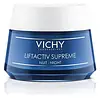 Key Ingredients
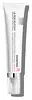
Benefits
Concerns
Ingredients Side-by-side
Water
Skin ConditioningGlycerin
Humectant


Rhamnose
HumectantPrunus Armeniaca Kernel Oil
Masking

Caprylic/Capric Triglyceride
Masking
Pentaerythrityl Tetraethylhexanoate
Emollient
Cetyl Alcohol
Emollient
Zea Mays Starch
Absorbent
Butyrospermum Parkii Butter
Skin Conditioning

Petrolatum
Emollient
Glyceryl Stearate
Emollient
Pentylene Glycol
Skin Conditioning
Dimethicone
Emollient
PEG-40 Stearate
Emulsifying
Beeswax
Emulsion Stabilising
Hydroxyethylpiperazine Ethane Sulfonic Acid
BufferingStearyl Alcohol
Emollient
Sorbitan Tristearate
EmulsifyingDimethiconol
Emollient
Triethanolamine
BufferingMyristyl Alcohol
Emollient
Phenoxyethanol
Preservative
Adenosine
Skin Conditioning

Magnesium Ascorbyl Phosphate
Antioxidant





Ascorbyl Glucoside
Antioxidant
Poloxamer 338
EmulsifyingCaprylyl Glycol
Emollient
Xanthan Gum
EmulsifyingPentaerythrityl Tetra-Di-T-Butyl Hydroxyhydrocinnamate
Antioxidant
Parfum
Masking



Water, Glycerin, Rhamnose, Prunus Armeniaca Kernel Oil, Caprylic/Capric Triglyceride, Pentaerythrityl Tetraethylhexanoate, Cetyl Alcohol, Zea Mays Starch, Butyrospermum Parkii Butter, Petrolatum, Glyceryl Stearate, Pentylene Glycol, Dimethicone, PEG-40 Stearate, Beeswax, Hydroxyethylpiperazine Ethane Sulfonic Acid, Stearyl Alcohol, Sorbitan Tristearate, Dimethiconol, Triethanolamine, Myristyl Alcohol, Phenoxyethanol, Adenosine, Magnesium Ascorbyl Phosphate, Ascorbyl Glucoside, Poloxamer 338, Caprylyl Glycol, Xanthan Gum, Pentaerythrityl Tetra-Di-T-Butyl Hydroxyhydrocinnamate, Parfum
Water
Skin ConditioningIsostearyl Neopentanoate
Emollient
Glycerin
Humectant
Octyldodecanol
Emollient
Propylene Glycol
Humectant
Pentylene Glycol
Skin Conditioning
Acrylamide
Sodium
Ammonium Acryloyldimethyltaurate/Vp Copolymer
Vp/Va Copolymer
Cetearyl Alcohol
Emollient
Glycine Soja Oil
Emollient
Triethanolamine
BufferingIsohexadecane
EmollientSodium Hyaluronate
Humectant
Retinol
Skin Conditioning

Retinyl Linoleate
Skin Conditioning
Adenosine
Skin Conditioning
Capryloyl Salicylic Acid
Exfoliating
Caprylyl Glycol
Emollient
Polysorbate 80
Emulsifying
Phenoxyethanol
Preservative
Parfum
Masking
Water, Isostearyl Neopentanoate, Glycerin, Octyldodecanol, Propylene Glycol, Pentylene Glycol, Acrylamide, Sodium, Ammonium Acryloyldimethyltaurate/Vp Copolymer, Vp/Va Copolymer, Cetearyl Alcohol, Glycine Soja Oil, Triethanolamine, Isohexadecane, Sodium Hyaluronate, Retinol, Retinyl Linoleate, Adenosine, Capryloyl Salicylic Acid, Caprylyl Glycol, Polysorbate 80, Phenoxyethanol, Parfum
Reviews
Ingredients Explained
These ingredients are found in both products.
Ingredients higher up in an ingredient list are typically present in a larger amount.
Adenosine is in every living organism. It is one of four components in nucleic acids that helps store our DNA.
Adenosine has many benefits when used. These benefits include hydrating the skin, smoothing skin, and reducing wrinkles. Once applied, adenosine increases collagen production. It also helps with improving firmness and tissue repair.
Studies have found adenosine may also help with wound healing.
In skincare products, Adenosine is usually derived from yeast.
Learn more about AdenosineCaprylyl Glycol is a humectant, skin conditioner, emollient, and preservative booster derived from either caprylic acid or synthetically created.
Typical use levels vary from 0.3-1% as a preservative booster and go up to 2% to condition skin.
Because it is not a free-fatty acid, this ingredient is fungal acne safe (there's nothing for Malassezia to feed on).
Learn more about Caprylyl GlycolGlycerin (or glycerol) is a compound naturally found in your skin. It's a powerhouse humectant that pulls water into the stratum corneum.
Topically, glycerin does several things at once:
Your skin makes glycerin on its own (mostly from sebaceous oil breakdown) and shuttles it to your outermost layer of skin, or your epidermis, via aquaporin-3.
Aquaporin-3 is a transporter that is essential for normal skin hydration, elasticity, and repair. Interestingly, mice lacking in AQP3 have dry and less elastic skin that can be fully corrected with glycerin.
This ingredient is non-irritating, plays well with almost every ingredient, and works across all skin types. Typical use is anywhere between 3-10% but can go up to 79% in some leave-on products.
Just know very high concentrations (>40%) can feel tacky in low humidity.
Glycerin is the name for this ingredient in American English. British English uses Glycerol/Glycerine.
Learn more about GlycerinParfum is a catch-all term for an ingredient or more that is used to give a scent to products.
Also called "fragrance", this ingredient can be a blend of hundreds of chemicals or plant oils. This means every product with "fragrance" or "parfum" in the ingredients list is a different mixture.
For instance, Habanolide is a proprietary trade name for a specific aroma chemical. When used as a fragrance ingredient in cosmetics, most aroma chemicals fall under the broad labeling category of “FRAGRANCE” or “PARFUM” according to EU and US regulations.
The term 'parfum' or 'fragrance' is not regulated in many countries. In many cases, it is up to the brand to define this term.
For instance, many brands choose to label themselves as "fragrance-free" because they are not using synthetic fragrances. However, their products may still contain ingredients such as essential oils that are considered a fragrance by INCI standards.
One example is Calendula flower extract. Calendula is an essential oil that still imparts a scent or 'fragrance'.
Depending on the blend, the ingredients in the mixture can cause allergies and sensitivities on the skin. Some ingredients that are known EU allergens include linalool and citronellol.
Parfum can also be used to mask or cover an unpleasant scent.
The bottom line is: not all fragrances/parfum/ingredients are created equally. If you are worried about fragrances, we recommend taking a closer look at an ingredient. And of course, we always recommend speaking with a professional.
Learn more about ParfumPentylene glycol is typically used within a product to thicken it. It also adds a smooth, soft, and moisturizing feel to the product. It is naturally found in plants such as sugar beets.
The hydrophilic trait of Pentylene Glycol makes it a humectant. As a humectant, Pentylene Glycol helps draw moisture from the air to your skin. This can help keep your skin hydrated.
This property also makes Pentylene Glycol a great texture enhancer. It can also help thicken or stabilize a product.
Pentylene Glycol also acts as a mild preservative and helps to keep a product microbe-free.
Some people may experience mild eye and skin irritation from Pentylene Glycol. We always recommend speaking with a professional about using this ingredient in your routine.
Pentylene Glycol has a low molecular weight and is part of the 1,2-glycol family.
Learn more about Pentylene GlycolPhenoxyethanol is a preservative that has germicide, antimicrobial, and aromatic properties. Studies show that phenoxyethanol can prevent microbial growth. By itself, it has a scent that is similar to that of a rose.
It's often used in formulations along with Caprylyl Glycol to preserve the shelf life of products.
Triethanolamine (TEA) is an emulsifier and pH adjuster. It is created using ethylene oxide and ammonia. This gives Triethanolamine a nitrogen core and a similar scent to ammonia.
As an emulsifier, it prevents ingredients from separating and enhances texture by adding volume to a product.
PH adjusters are common in cosmetic products. The pH of a product can affect the effectiveness of other ingredients. A product with a high pH may also irritate the skin.
If you are looking for the tea leaf ingredient, click here.
Learn more about TriethanolamineWater. It's the most common cosmetic ingredient of all. You'll usually see it at the top of ingredient lists, meaning that it makes up the largest part of the product.
So why is it so popular? Water most often acts as a solvent - this means that it helps dissolve other ingredients into the formulation.
You'll also recognize water as that liquid we all need to stay alive. If you see this, drink a glass of water. Remember to stay hydrated!
Learn more about Water
