This calming ampoule is formulated around Centella Asiatica Extract to calm redness and strengthen the skin barrier.


What's inside
What's inside
 Key Ingredients
No key ingredients
Benefits
Concerns
No concerns
Ingredients Side-by-side
Water
Skin ConditioningButyrospermum Parkii Butter
Skin Conditioning






Ethylhexyl Palmitate
Emollient
Octyldodecanol
Emollient
Dicaprylyl Ether
Emollient
Glycerin
Humectant
Polysorbate 60
Emulsifying
Behenyl Alcohol
Emollient
Propanediol
Solvent
Squalane
Emollient
Glyceryl Stearate
Emollient
PEG-100 Stearate
Surfactant
Acrylates/C10-30 Alkyl Acrylate Crosspolymer
Emulsion StabilisingChlorphenesin
Antimicrobial
Tocopheryl Acetate
Antioxidant


Piroctone Olamine
Preservative
Xanthan Gum
EmulsifyingCetrimonium Bromide
Antimicrobial
O-Cymen-5-Ol
Antimicrobial
Safflower Oil/Palm Oil Aminopropanediol Esters
Skin Conditioning
Sodium Hydroxide
BufferingBorage Seed Oil Aminopropanediol Amides
Skin Conditioning
Polyglyceryl-10 Stearate
Skin Conditioning
Asiaticoside
Antioxidant


Phytosphingosine
Skin Conditioning
Triethyl Citrate
Masking

Tocopherol
Antioxidant
Polyglyceryl-6 Behenate
Emulsion Stabilising
Behenic Acid
Cleansing
Ceramide NP
Skin Conditioning
Cetearyl Alcohol
Emollient
Cholesterol
Emollient
Lactic Acid
Buffering



Ceramide Ns
Skin Conditioning
Ceramide EOP
Skin Conditioning
Ceramide AP
Skin Conditioning
Sodium Cetearyl Sulfate
Cleansing
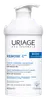
Water, Butyrospermum Parkii Butter, Ethylhexyl Palmitate, Octyldodecanol, Dicaprylyl Ether, Glycerin, Polysorbate 60, Behenyl Alcohol, Propanediol, Squalane, Glyceryl Stearate, PEG-100 Stearate, Acrylates/C10-30 Alkyl Acrylate Crosspolymer, Chlorphenesin, Tocopheryl Acetate, Piroctone Olamine, Xanthan Gum, Cetrimonium Bromide, O-Cymen-5-Ol, Safflower Oil/Palm Oil Aminopropanediol Esters, Sodium Hydroxide, Borage Seed Oil Aminopropanediol Amides, Polyglyceryl-10 Stearate, Asiaticoside, Phytosphingosine, Triethyl Citrate, Tocopherol, Polyglyceryl-6 Behenate, Behenic Acid, Ceramide NP, Cetearyl Alcohol, Cholesterol, Lactic Acid, Ceramide Ns, Ceramide EOP, Ceramide AP, Sodium Cetearyl Sulfate
Reviews
Ingredients Explained
These ingredients are found in both products.
Ingredients higher up in an ingredient list are typically present in a larger amount.
Glycerin (or glycerol) is a compound naturally found in your skin. It's a powerhouse humectant that pulls water into the stratum corneum.
Topically, glycerin does several things at once:
Your skin makes glycerin on its own (mostly from sebaceous oil breakdown) and shuttles it to your outermost layer of skin, or your epidermis, via aquaporin-3.
Aquaporin-3 is a transporter that is essential for normal skin hydration, elasticity, and repair. Interestingly, mice lacking in AQP3 have dry and less elastic skin that can be fully corrected with glycerin.
This ingredient is non-irritating, plays well with almost every ingredient, and works across all skin types. Typical use is anywhere between 3-10% but can go up to 79% in some leave-on products.
Just know very high concentrations (>40%) can feel tacky in low humidity.
Glycerin is the name for this ingredient in American English. British English uses Glycerol/Glycerine.
Learn more about GlycerinWater. It's the most common cosmetic ingredient of all. You'll usually see it at the top of ingredient lists, meaning that it makes up the largest part of the product.
So why is it so popular? Water most often acts as a solvent - this means that it helps dissolve other ingredients into the formulation.
You'll also recognize water as that liquid we all need to stay alive. If you see this, drink a glass of water. Remember to stay hydrated!
Learn more about Water

