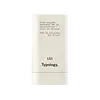
This chemical sunscreen covers the full UV range and blocks ~98% of UVB at SPF 50.
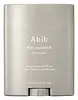
This chemical sunscreen covers most of the UV range, lighter on the deep UVA that drives aging, though its SPF isn't confirmed on file yet.


What's inside
What's inside
 Key Ingredients
Benefits
Concerns
Ingredients Side-by-side
Coco-Caprylate/Caprate
Emollient
Caprylic/Capric Triglyceride
Masking

Helianthus Annuus Seed Wax
Skin Conditioning

Triheptanoin
Skin ConditioningBis-Ethylhexyloxyphenol Methoxyphenyl Triazine
UV Absorber
Diethylamino Hydroxybenzoyl Hexyl Benzoate
UV Filter
Hydrogenated Castor Oil
Emollient
Triethyl Citrate
Masking

Diethylhexyl Butamido Triazone
UV Absorber
Stearyl Stearate
Emollient
Zea Mays Starch
Absorbent
Jojoba Esters
Emollient
Copernicia Cerifera Wax
Rhus Verniciflua Peel Wax
Pongamia Glabra Seed Oil
Skin Conditioning
Trimethylpentanediol/Adipic Acid/Glycerin Crosspolymer
Skin ConditioningPolyglycerin-3
Humectant
Acacia Decurrens Flower Wax
Emollient
Tocopherol
Antioxidant





Simmondsia Chinensis Seed Oil
Emollient
Haematococcus Pluvialis Extract
Antioxidant
Helianthus Annuus Seed Oil
Emollient
Lecithin
Emollient
Coco-Caprylate/Caprate, Caprylic/Capric Triglyceride, Helianthus Annuus Seed Wax, Triheptanoin, Bis-Ethylhexyloxyphenol Methoxyphenyl Triazine, Diethylamino Hydroxybenzoyl Hexyl Benzoate, Hydrogenated Castor Oil, Triethyl Citrate, Diethylhexyl Butamido Triazone, Stearyl Stearate, Zea Mays Starch, Jojoba Esters, Copernicia Cerifera Wax, Rhus Verniciflua Peel Wax, Pongamia Glabra Seed Oil, Trimethylpentanediol/Adipic Acid/Glycerin Crosspolymer, Polyglycerin-3, Acacia Decurrens Flower Wax, Tocopherol, Simmondsia Chinensis Seed Oil, Haematococcus Pluvialis Extract, Helianthus Annuus Seed Oil, Lecithin
Dimethicone
Emollient
Synthetic Wax
Abrasive

Homosalate
Skin Conditioning
Silica
Abrasive
Isoeicosane
EmollientOctocrylene
UV Absorber

Phenylpropyldimethylsiloxysilicate
EmollientEthylhexyl Salicylate
UV Absorber
Isopropyl Palmitate
Emollient
Diisostearyl Malate
EmollientButyloctyl Salicylate
Skin Conditioning
Isononyl Isononanoate
EmollientButyl Methoxydibenzoylmethane
UV Absorber
Phenethyl Benzoate
Emollient
Diethylhexyl Carbonate
EmollientSynthetic Fluorphlogopite
Hydrogenated Vegetable Oil
Emollient
Polyethylene
Abrasive
Bis-Behenyl/Isostearyl/Phytosteryl Dimer Dilinoleyl Dimer Dilinoleate
EmollientDimethicone/Vinyl Dimethicone Crosspolymer
Skin Conditioning
Ethylene/Propylene Copolymer
Abrasive
Camellia Japonica Seed Oil
Emollient
Silica Dimethyl Silylate
EmollientDimethicone Crosspolymer
Emulsion Stabilising
Euphorbia Cerifera Wax
Vinyl Dimethicone/Methicone Silsesquioxane Crosspolymer
Copernicia Cerifera Wax
Lecithin
Emollient
Pentaerythrityl Tetra-Di-T-Butyl Hydroxyhydrocinnamate
Antioxidant
Allantoin
Skin Conditioning
Ectoin
Skin Conditioning
Helianthus Annuus Seed Oil Unsaponifiables
Emollient
Dimethicone, Synthetic Wax, Homosalate, Silica, Isoeicosane, Octocrylene, Phenylpropyldimethylsiloxysilicate, Ethylhexyl Salicylate, Isopropyl Palmitate, Diisostearyl Malate, Butyloctyl Salicylate, Isononyl Isononanoate, Butyl Methoxydibenzoylmethane, Phenethyl Benzoate, Diethylhexyl Carbonate, Synthetic Fluorphlogopite, Hydrogenated Vegetable Oil, Polyethylene, Bis-Behenyl/Isostearyl/Phytosteryl Dimer Dilinoleyl Dimer Dilinoleate, Dimethicone/Vinyl Dimethicone Crosspolymer, Ethylene/Propylene Copolymer, Camellia Japonica Seed Oil, Silica Dimethyl Silylate, Dimethicone Crosspolymer, Euphorbia Cerifera Wax, Vinyl Dimethicone/Methicone Silsesquioxane Crosspolymer, Copernicia Cerifera Wax, Lecithin, Pentaerythrityl Tetra-Di-T-Butyl Hydroxyhydrocinnamate, Allantoin, Ectoin, Helianthus Annuus Seed Oil Unsaponifiables
Reviews
Ingredients Explained
These ingredients are found in both products.
Ingredients higher up in an ingredient list are typically present in a larger amount.
Copernicia Cerifera Wax comes from a palm tree native to Brazil; another name for this ingredient is Carnauba Wax.
This ingredient is used to thicken texture and also leaves behind a film when applied.
Fun fact: This wax has the highest melting point of all natural waxes and low solubility.
Learn more about Copernicia Cerifera WaxLecithin is a term for a group of substances found in the cell membranes of plants, animals, and humans. They are made up of phospholipids.
Thanks to its amphiphilic structure (water-loving head and oil-loving tail), it is a true multitasker:
It plays well with most ingredients and is typically used at 0.1-1%. However, concentrations up to 50% have been reported in moisturizers.
Learn more about Lecithin

