
What's inside
What's inside
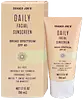 Key Ingredients
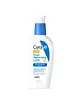
Benefits
Concerns
Ingredients Side-by-side
Butyl Methoxydibenzoylmethane 3%
UV Absorber
Homosalate 12%
Skin Conditioning
Ethylhexyl Salicylate 5%
UV Absorber
Octocrylene 6%
UV Absorber

Isododecane
EmollientDimethicone Crosspolymer
Emulsion Stabilising
Polymethylsilsesquioxane
Dimethicone/Bis-Isobutyl PPG-20 Crosspolymer
Emollient
Neopentyl Glycol Diheptanoate
EmollientPolyester-7
Skin ConditioningIsohexadecane
EmollientJojoba Esters
Emollient
Silica
Abrasive


Butyrospermum Parkii Butter
Skin Conditioning



Dicaprylyl Carbonate
EmollientTocopheryl Acetate
Antioxidant


Caprylic/Capric Triglyceride
Masking
Tocopherol
Antioxidant


Butyl Methoxydibenzoylmethane 3%, Homosalate 12%, Ethylhexyl Salicylate 5%, Octocrylene 6%, Isododecane, Dimethicone Crosspolymer, Polymethylsilsesquioxane, Dimethicone/Bis-Isobutyl PPG-20 Crosspolymer, Neopentyl Glycol Diheptanoate, Polyester-7, Isohexadecane, Jojoba Esters, Silica, Butyrospermum Parkii Butter, Dicaprylyl Carbonate, Tocopheryl Acetate, Caprylic/Capric Triglyceride, Tocopherol
Homosalate 10%
Skin Conditioning
Ethylhexyl Methoxycinnamate 5%
UV Absorber
Octocrylene 2%
UV Absorber
Zinc Oxide 8%
Cosmetic Colorant
Water
Skin ConditioningNiacinamide
Smoothing




Cetearyl Alcohol
Emollient
Glycerin
Humectant
Propanediol
Solvent
Dimethicone
Emollient
Behentrimonium Methosulfate

BHT
Antioxidant
Ceramide NP
Skin Conditioning
Ceramide AP
Skin Conditioning
Ceramide EOP
Skin Conditioning
Carbomer
Emulsion StabilisingTriethoxycaprylylsilane
Triethyl Citrate
Masking
Sodium Lauroyl Lactylate
EmulsifyingSodium Hyaluronate
Humectant
Cholesterol
Emollient
Aluminum Starch Octenylsuccinate
Absorbent
Phenoxyethanol
Preservative
Hydroxyethylcellulose
Emulsion StabilisingHydroxyacetophenone
Antioxidant
Caprylyl Glycol
Emollient
Trisodium Ethylenediamine Disuccinate
Phytosphingosine
Skin Conditioning
Xanthan Gum
EmulsifyingBenzoic Acid
Masking
Homosalate 10%, Ethylhexyl Methoxycinnamate 5%, Octocrylene 2%, Zinc Oxide 8%, Water, Niacinamide, Cetearyl Alcohol, Glycerin, Propanediol, Dimethicone, Behentrimonium Methosulfate, BHT, Ceramide NP, Ceramide AP, Ceramide EOP, Carbomer, Triethoxycaprylylsilane, Triethyl Citrate, Sodium Lauroyl Lactylate, Sodium Hyaluronate, Cholesterol, Aluminum Starch Octenylsuccinate, Phenoxyethanol, Hydroxyethylcellulose, Hydroxyacetophenone, Caprylyl Glycol, Trisodium Ethylenediamine Disuccinate, Phytosphingosine, Xanthan Gum, Benzoic Acid
Reviews
Ingredients Explained
These ingredients are found in both products.
Ingredients higher up in an ingredient list are typically present in a larger amount.
Homosalate is a chemical sunscreen filter that provides protection in the UV-B range (280nm - 320 nm), with a peak protection at 306 nm. It is internationally approved for use in sunscreens.
Homosalate is not photo-stable, meaning it's strength as a UV filter degrades over time with exposure to the sun. Because of this, it's often used in combination with other chemical sunscreen filters as avobenzone (which protects from the UV-A range). Homosalate also helps act as a solvent for harder-to-dissolve UV filters.
(Part of the reason that sunscreens need to be frequently re-applied is due to the photo instability of many chemical sunscreen filters)
Currently, homosalate is approved in concentrations up to 10% in the EU and 15% in the US. The FDA is currently doing further research on the effects of homosalate, and it is possible that these approved concentrations will change in the future.
Learn more about HomosalateOctocrylene protects skin from sun damage. It absorbs UV-B with peak absorption of 304 nm. It is a common sunscreen ingredient and often paired with avobenzone, a UVA filter. This is because octocrylene stabilizes other sunscreen ingredients by protecting them from degradation when exposed to sunlight. Octocrylene is a photostable ingredient and loses about 10% of SPF in 95 minutes.
Octocrylene also acts as an emollient, meaning it helps skin retain moisture and softens skin. It is oil-soluble and hydrophobic, enhancing water-resistant properties in a product.
Those who are using ketoprofen, a topical anti-inflammatory drug, may experience an allergic reaction when using octocrylene. It is best to speak with a healthcare professional about using sunscreens with octocrylene.
The EU allows a maximum of these concentrations:
Learn more about Octocrylene
