
What's inside
What's inside
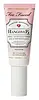 Key Ingredients
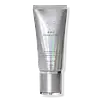
Benefits
Concerns
Ingredients Side-by-side
Water
Skin ConditioningLactobacillus/Salix Alba Bark Ferment Filtrate
Antioxidant
Propanediol Dicaprylate
EmollientPropanediol
Solvent

Ceteareth-6 Olivate
EmulsifyingOlive Glycerides
Emulsifying

Lactobacillus Ferment
Skin Conditioning
Aluminum Starch Octenylsuccinate
Absorbent
Microcrystalline Cellulose
AbsorbentHydrogenated Olive Oil
Skin Conditioning


Polyacrylate Crosspolymer-6
Emulsion StabilisingCellulose Gum
Emulsion StabilisingOlea Europaea Fruit Oil
Masking
Pectin
Emulsion StabilisingTrisodium Ethylenediamine Disuccinate
ChelatingXanthan Gum
EmulsifyingOlea Europaea Oil Unsaponifiables
Skin Conditioning
Cocos Nucifera Fruit Juice
Emollient
Lauryl Alcohol Diphosphonic Acid
Emulsion StabilisingPentylene Glycol
Skin Conditioning
Glycerin
Humectant
Lecithin
Emollient
Magnesium Aluminum Silicate
Absorbent
Parfum
Masking

Lauric Acid
Cleansing
Tocopherol
Antioxidant



Ascorbyl Palmitate
Antioxidant
Citric Acid
Buffering
Water, Lactobacillus/Salix Alba Bark Ferment Filtrate, Propanediol Dicaprylate, Propanediol, Ceteareth-6 Olivate, Olive Glycerides, Lactobacillus Ferment, Aluminum Starch Octenylsuccinate, Microcrystalline Cellulose, Hydrogenated Olive Oil, Polyacrylate Crosspolymer-6, Cellulose Gum, Olea Europaea Fruit Oil, Pectin, Trisodium Ethylenediamine Disuccinate, Xanthan Gum, Olea Europaea Oil Unsaponifiables, Cocos Nucifera Fruit Juice, Lauryl Alcohol Diphosphonic Acid, Pentylene Glycol, Glycerin, Lecithin, Magnesium Aluminum Silicate, Parfum, Lauric Acid, Tocopherol, Ascorbyl Palmitate, Citric Acid
Water
Skin ConditioningCeteareth-6 Olivate
EmulsifyingCoconut Alkanes
Emollient
Neopentyl Glycol Dicaprylate/Dicaprate
EmollientHydrogenated Olive Oil
Skin Conditioning
Propanediol
Solvent
Squalane
Emollient
Cocos Nucifera Water
Masking
Cocos Nucifera Fruit Juice
Emollient
Lactobacillus
Skin ConditioningAloe Barbadensis Leaf Juice
Skin Conditioning
Caffeine
Skin Conditioning
Glycyrrhiza Uralensis Root Extract
Skin Conditioning
Ceramide AP
Skin Conditioning
Retinol
Skin Conditioning



Lactic Acid
Buffering
Butyrospermum Parkii Butter
Skin Conditioning
Sodium Starch Octenylsuccinate
AbsorbentGlycerin
Humectant
Polyacrylate Crosspolymer-6
Emulsion StabilisingCoco-Caprylate/Caprate
Emollient
Olea Europaea Fruit Oil
Masking
Trisodium Ethylenediamine Disuccinate
ChelatingOlea Europaea Oil Unsaponifiables
Skin Conditioning
Caprylic/Capric Triglyceride
Masking
Ananas Sativus Fruit Extract
Skin ConditioningCoffea Arabica Leaf/Seed Extract
MaskingJasminum Officinale Flower/Leaf Extract
Masking
Dipteryx Odorata Seed Extract
MaskingCocos Nucifera Fruit Extract
Emollient
Prunus Armeniaca Fruit Extract
Skin ConditioningCucumis Melo Cantalupensis Fruit Extract
AstringentVanilla Planifolia Fruit Extract
Skin Conditioning
Citrus Aurantium Dulcis Peel Extract
Emulsion Stabilising
Phenoxyethanol
Preservative
Hexylene Glycol
EmulsifyingCaprylyl Glycol
Emollient
Sodium Benzoate
Masking
Potassium Sorbate
Preservative
Water, Ceteareth-6 Olivate, Coconut Alkanes, Neopentyl Glycol Dicaprylate/Dicaprate, Hydrogenated Olive Oil, Propanediol, Squalane, Cocos Nucifera Water, Cocos Nucifera Fruit Juice, Lactobacillus, Aloe Barbadensis Leaf Juice, Caffeine, Glycyrrhiza Uralensis Root Extract, Ceramide AP, Retinol, Lactic Acid, Butyrospermum Parkii Butter, Sodium Starch Octenylsuccinate, Glycerin, Polyacrylate Crosspolymer-6, Coco-Caprylate/Caprate, Olea Europaea Fruit Oil, Trisodium Ethylenediamine Disuccinate, Olea Europaea Oil Unsaponifiables, Caprylic/Capric Triglyceride, Ananas Sativus Fruit Extract, Coffea Arabica Leaf/Seed Extract, Jasminum Officinale Flower/Leaf Extract, Dipteryx Odorata Seed Extract, Cocos Nucifera Fruit Extract, Prunus Armeniaca Fruit Extract, Cucumis Melo Cantalupensis Fruit Extract, Vanilla Planifolia Fruit Extract, Citrus Aurantium Dulcis Peel Extract, Phenoxyethanol, Hexylene Glycol, Caprylyl Glycol, Sodium Benzoate, Potassium Sorbate
Reviews
Ingredients Explained
These ingredients are found in both products.
Ingredients higher up in an ingredient list are typically present in a larger amount.
We don't have a description for Ceteareth-6 Olivate yet.
Coconut fruit juice comes from the liquid inside of young coconuts. It has emollient, humectant, and skin conditioning properties.
Bceause it naturally contains sugars, amino acids, and minerals, coconut fruit juice can help attract and hold water in the skin.
Glycerin (or glycerol) is a compound naturally found in your skin. It's a powerhouse humectant that pulls water into the stratum corneum.
Topically, glycerin does several things at once:
Your skin makes glycerin on its own (mostly from sebaceous oil breakdown) and shuttles it to your outermost layer of skin, or your epidermis, via aquaporin-3.
Aquaporin-3 is a transporter that is essential for normal skin hydration, elasticity, and repair. Interestingly, mice lacking in AQP3 have dry and less elastic skin that can be fully corrected with glycerin.
This ingredient is non-irritating, plays well with almost every ingredient, and works across all skin types. Typical use is anywhere between 3-10% but can go up to 79% in some leave-on products.
Just know very high concentrations (>40%) can feel tacky in low humidity.
Glycerin is the name for this ingredient in American English. British English uses Glycerol/Glycerine.
Learn more about GlycerinHydrogenated Olive Oil is just regular olive oil that's been treated with hydrogen. Hydrogenation turns the oil into a soft, waxy solid that's more resistant to oxidative and thermal damage.
In cosmetics, this ingredient is a skin conditioning agent that helps lock in moisture and gives balms, lip products, and creams a rich texture.
The Cosmetic Ingredient Review panel has concluded it to be safe as used in cosmetics.
Industry data shows it's used in amounts of 0.0005-12%, with leave-on products at 0.1 to 12% and rinse-off products at 0.0005 to 0.1%.
Allergies are rare; the proteins behind food allergies do not partition into the refined oil. Even regular olive oil allergy is uncommon, but it's best to patch test if you are unsure.
For acne, there's no human data showing it can clog pores and research has found that finished products containing ingredients labeled comedogenic aren't necessarily comedogenic. Some people still find it breaks them out so if that's you, definitely trust your skin.
Lab studies show the Malassezia species grew most efficiently on palmitic acid, which is a component of this oil. It may not be fungal acne safe.
Learn more about Hydrogenated Olive OilThis ingredient is also known as olive oil. It has been used in skincare for centuries and science largely backs up its reputation as a nourishing emollient.
The main components of olive oil are oleic acid (55-83%), linoleic acid (3.5-20%), and palmitic acid (7-20%). Oleic acid promotes skin regeneration and helps regulate inflammatory responses.
Squalene is also naturally present in olive oil and exhibits moisturizing and antioxidant properties.
The polyphenols in olive oil also show anti-aging promise; one clinical study found a measurable improvement in skin appearance after 30 days of topical serum use.
Just be aware that applying olive oil directly to skin can weaken the barrier and cause redness. One study with volunteers found even people without sensitive skin experienced a significant reduction in stratum corneum integrity and induced mild erythema.
It's best to use this ingredient as part of a carefully crafted formula (instead of putting it on skin directly from the bottle).
Because it has a 0-2 on the comedogenic scale, it is low risk for acne-prone skin. Just remember the overall formulation of a product matters more than a few ingredients with comedogenic ratings.
This ingredient may not be fungal acne safe because of the oleic and palmitic acid content. These fall within the C11-24 fatty acid range that the Malassezia yeast can metabolize to grow.
Overall, olive oil is a well-studied and nourishing skincare ingredient.
Learn more about Olea Europaea Fruit OilOlive oil unsaponifiables is the part of olive oil that doesn't turn into soap.
This ingredient is rich in bioactive compounds like squalene, phytosterols, and polyphenols that make it a great skin conditioner.
Its fatty acid composition mimics that of the hydrolipidic film covering the surface of the epidermis.
This allows it to diffuse into the upper layers of the skin and integrate with the lipid matrix of the stratum corneum to improve barrier function without being greasy.
Studies have shown that it increases hydration of stratum corneum and the squalene component specifically contributes emollient properties and barrier-restoring effects.
A 2025 narrative review also highlighted olive-derived bioactives in:
Typical use levels for this ingredient run from 3-10%.
Fungal acne:
Whole olive oil contains significant triglycerides and free oleic acid that Malassezia can readily metabolize; the unsaponifiables fraction has had these fatty glycerides removed.
However, certain batches of this ingredient may contain sterol esters or free fatty acids depending on the refinement quality. These trace amounts of C12-24 fatty acids could be metabolized by Malassezia.
This ingredient may not be fungal acne safe but not everyone will react to it. It's best to patch test if you're unsure.
Learn more about Olea Europaea Oil UnsaponifiablesPolyacrylate Crosspolymer-6 is a texture enhancer and pH adjuster.
It is be used to thicken water-based products and create a gel-texture with a velvet feel.
One manufacturer claims this ingredient to have a pH range of 2-8 and to be biodegradable.
This ingredient is also known as Sepimax Zen.
Learn more about Polyacrylate Crosspolymer-6Propanediol is an all-star ingredient. It softens, hydrates, and smooths the skin.
It’s often used to:
Propanediol is not likely to cause sensitivity and considered safe to use. It is derived from corn or petroleum with a clear color and no scent.
Learn more about PropanediolTrisodium Ethylenediamine Disuccinate is used to help stabilize a product.
It is a chelating agent, meaning it helps prevent metal ions from binding to other ingredients. This prevents unwanted reactions in products. Metal ions can come into a product via the water ingredient. They are found in trace amounts and are not known to be harmful.
Water. It's the most common cosmetic ingredient of all. You'll usually see it at the top of ingredient lists, meaning that it makes up the largest part of the product.
So why is it so popular? Water most often acts as a solvent - this means that it helps dissolve other ingredients into the formulation.
You'll also recognize water as that liquid we all need to stay alive. If you see this, drink a glass of water. Remember to stay hydrated!
Learn more about Water

