Three Ships Beauty Buttercream Hydrating Lip Mask Versus Kinship Supermelt Hyaluronic Plumping Lip Treatment
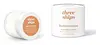
This barrier-repair lip moisturizer is formulated around Helianthus Annuus Seed Oil and Cocos Nucifera Oil to strengthen the lip barrier and hydrate lips.
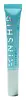
This lip moisturizer is formulated around Butyrospermum Parkii Butter and Sodium Hyaluronate to hydrate lips.


What's inside
What's inside
 Key Ingredients
Benefits
Concerns
Ingredients Side-by-side
Caprylic/Capric Triglyceride
Masking


Helianthus Annuus Seed Oil
Emollient


Cocos Nucifera Oil
Masking



Hydrogenated Soy Polyglycerides
Skin ConditioningButyrospermum Parkii Butter
Skin Conditioning




Caprylic/Capric Triglyceride, Helianthus Annuus Seed Oil, Cocos Nucifera Oil, Hydrogenated Soy Polyglycerides, Butyrospermum Parkii Butter, Silica, Behenyl Behenate, Persea Gratissima Oil, Glyceryl Behenate, Euphorbia Cerifera Wax, Polyhydroxystearic Acid, Aroma, C15-23 Alkane, Tocopheryl Acetate, Vitis Vinifera Seed Oil
Hydroxystearic/Linolenic/Oleic Polyglycerides
EmollientHelianthus Annuus Seed Oil
Emollient
Ricinus Communis Seed Oil
Masking
Polyhydroxystearic Acid
Emulsifying
Agave Tequilana Leaf Extract
AstringentCocos Nucifera Oil
Masking
Hydrogenated Castor Oil
Emollient
Helianthus Annuus Seed Wax
Skin Conditioning
Butyrospermum Parkii Butter
Skin Conditioning
Coconut Alkanes
Emollient
Copernicia Cerifera Wax
C18-38 Alkyl Hydroxystearoyl Stearate
EmollientSodium Hyaluronate
Humectant


Squalane
Emollient
Carica Papaya Seed Oil
Humectant
Lactobacillus/Papaya Fruit Ferment Extract
Abrasive
Hippophae Rhamnoides Fruit Oil
Skin Protecting
Citrullus Lanatus Seed Oil
Emollient
Coco-Caprylate/Caprate
Emollient
Eclipta Prostrata Extract
Skin Conditioning
Euterpe Oleracea Sterols
Skin ConditioningLinoleic Acid
Cleansing

Linolenic Acid
Cleansing
Melia Azadirachta Leaf Extract
Skin ConditioningMomordica Grosvenorii Fruit Extract
Antioxidant
Moringa Oleifera Seed Oil
Emollient
Oleic Acid
Emollient
Althaea Officinalis Root Extract
Skin Conditioning
Aroma
Hydroxystearic/Linolenic/Oleic Polyglycerides, Helianthus Annuus Seed Oil, Ricinus Communis Seed Oil, Polyhydroxystearic Acid, Agave Tequilana Leaf Extract, Cocos Nucifera Oil, Hydrogenated Castor Oil, Helianthus Annuus Seed Wax, Butyrospermum Parkii Butter, Coconut Alkanes, Copernicia Cerifera Wax, C18-38 Alkyl Hydroxystearoyl Stearate, Sodium Hyaluronate, Squalane, Carica Papaya Seed Oil, Lactobacillus/Papaya Fruit Ferment Extract, Hippophae Rhamnoides Fruit Oil, Citrullus Lanatus Seed Oil, Coco-Caprylate/Caprate, Eclipta Prostrata Extract, Euterpe Oleracea Sterols, Linoleic Acid, Linolenic Acid, Melia Azadirachta Leaf Extract, Momordica Grosvenorii Fruit Extract, Moringa Oleifera Seed Oil, Oleic Acid, Althaea Officinalis Root Extract, Aroma
Reviews
Ingredients Explained
These ingredients are found in both products.
Ingredients higher up in an ingredient list are typically present in a larger amount.
Aroma refers to an ingredient, or mixture of ingredients, that impart or mask a flavor.
The name is slightly confusing. This is because INCI associates aroma with flavor instead of smell.
Here is the official definition from the The International Cosmetic Ingredient Dictionary and Handbook:
“Aroma is a term for ingredient labeling used to identify that a product contains a material or combination of materials normally added to a cosmetic to produce or to mask a particular flavor.”
INCI shows the only purpose of aroma to be "flavouring".
However, due to regulation differences, some companies may use aroma in place of parfum.
In Canada, this ingredient only has to be listed in concentrations above 1%.
Learn more about AromaThis ingredient is also known as shea butter. It is a plant-derived extract from the nuts of the Africa shea tree and one of the most well-studied emollients.
Because it has a high concentration of fatty acids (primarily oleic, stearic, and linoleic) it is able to form a protective barrier on the skin's surface. This helps seal in moisture and prevents transepidermal water loss (TEWL).
In vitro research found an increase in skin hydration by 58% and a decrease in TEWL by 37.8% after 24 hours of applying this ingredient (pretty impressive for a single ingredient!).
Besides hydration, shea butter also contains triterpenes that have anti-inflammatory potential. In particule, lupeol cinnamate has shown the highest anti-inflammatory activity in vivo.
Shea butter also contains vitamins A and E which may contribute to antioxidant activity.
While Shea Butter has an SPF rating of about 3-4, it is not a sunscreen replacement.
This ingredient may not be fungal acne safe because its fatty acids fall within the C11-C24 range that the Malassezia yeast can metabolize.
This ingredient shows up on a lot of "pore-clogging" lists but there's no real evidence behind that. It doesn't even have a comedogenic rating from an actual study; the numbers you'll find online come from blogs citing other blogs.
Ratings for other ingredients mostly come from a 1980s rabbit ear test. This test doesn't translate well to human skin or to real products because the ingredient sits at a much lower percentage.
Some people still find it breaks them out. So if that's you, definitely trust your skin. Just know this one's based on experience and not evidence.
Learn more about Butyrospermum Parkii ButterThis ingredient is also known as coconut oil. It is a plant-derived ingredient with skin conditioning properties.
The fatty acid profile of coconut oil is mostly lauric acid (~54%), followed by capric, caprylic, palmitic, and myristic acids. This profile allows it to penetrate easily into skin, moisturize, and improve dry skin.
A double-blind study confirmed that extra virgin coconut oil is as effective as mineral oil for treating very dry skin. Another study found it outperformed mineral oil for mild to moderate atopic dermatitis in children.
Another study from 2018 found that virgin coconut oil can soothe inflammation and boost key skin barrier proteins. Just know this evidence is still only from lab settings and not human trials.
It has also been shown to reduce Staphylococcus aureus, a bacteria that commonly overgrows in people with eczema.
Clinical testing shows very minimal skin irritation and no evidence of sensitization or phototoxicity.
Coconut oil gets flagged as a "fragrance" because it has a natural mild scent (not because it's a synthetic perfume). The European Cosmetic ingredient database also lists "perfuming" as a function of this ingredient.
Just so you know, the term "fragrance" is completely unregulated. Some brands still use botanical extracts or essential oils in their "fragrance-free" formulas, but regulatory databases technically classify these under "fragrance".
Coconut oil has a tiny and useless bit of natural SPF. Early lab studies clocked it around SPF 7-8 but a more recent study found the real number closer to SPF 1.2. It also offers no meaningful UVA protection (SPF only overs UVB rays).
The comedogenic rating of 4/5 means it has a high potential to clog pores; but it's worth noting that comedogenicity is highly individual and ratings cannot predict how an overall formula will behave on skin.
Since lauric acid is the dominant fatty acid, this ingredient may not be fungal acne safe. The Malassezia yeast feeds on fatty acids with carbon chain lengths between 11-24, and lauric acid falls within these lengths (C12).
Learn more about Cocos Nucifera OilHelianthus Annuus Seed Oil is a plant oil derived from the seeds of a sunflower.
It is rich in fatty acids, primarily linoleic acid and oleic acid. This gives it emollient and skin conditioning properties.
The reason this ingredient is so effective is because it forms a thin film on the skin that reduces transepidermal water loss (TEWL) while supplying linoleic acid to the stratum corneum to improve barrier strength.
The high linoleic acid content is particularly noteworthy for acne-prone skin.
Research suggests that acne-prone skin tends to be deficient in linoleic acid in sebum. Topical application may help replenish this to support a healthier follicular environment and less comedone-promoting sebum.
One randomized study found sunflower seed oil preserved skin barrier integrity in adult volunteers with and without atopic dermatitis (outperforming olive oil).
This ingredient is well-studied, gentle, and an effective emollient suitable for most skin types.
On fungal acne: This ingredient may not be Fungal acne (Malassezia folliculitis) safe. This is because it contains fatty acids with carbon chain lengths in the C11-C24 range.
Learn more about Helianthus Annuus Seed OilPolyhydroxystearic Acid is a vegetable-derived soft wax made from castor oil. It's an emulsion stabilizer, thickener, and film former.
You'll likely see it in sunscreens because it helps disperse pigments and UV-reflecting minerals like titanium dioxide and zinc oxide evenly.
Depending on the concentration, it can drastically change the texture of a product from pasty solid (like lipstick) to sprayable liquid.
The CIR Expert Panel for Cosmetic Ingredient Safety has concluded this ingredient to be safe in cosmetics. The highest reported use concentration is 14.2% in lipsticks.
Learn more about Polyhydroxystearic Acid

