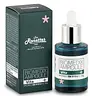
This calming ampoule is formulated around Centella Asiatica Extract and Panthenol to calm redness and strengthen the skin barrier.
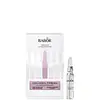
This anti-aging ampoule is formulated around Panax Ginseng Root Extract and Palmitoyl Tripeptide-5 to soften the look of wrinkles and refine skin texture.


What's inside
What's inside
 Key Ingredients
Benefits
Concerns
Ingredients Side-by-side
Water
Skin ConditioningButylene Glycol
Humectant

Glycerin
Humectant
1,2-Hexanediol
Skin Conditioning
Lilium Candidum Callus Culture Extract
Antimicrobial
Lycopodium Clavatum Extract
Skin ConditioningEquisetum Arvense Extract
AstringentOlivine Extract
Skin ConditioningCentella Asiatica Extract
Cleansing



Nicotinoyl Tripeptide-1
Antioxidant
Portulaca Oleracea Extract
Skin Conditioning
Chamomilla Recutita Extract
Skin Conditioning
Salvia Officinalis Leaf Extract
CleansingRosmarinus Officinalis Leaf Extract
AntimicrobialSalix Alba Bark Extract
Astringent

Melaleuca Alternifolia Leaf Extract
Perfuming
Tremella Fuciformis Extract
Humectant
Nelumbo Nucifera Flower Extract
Skin ConditioningPanthenol
Skin Conditioning
Dipropylene Glycol
HumectantGlyceryl Acrylate/Acrylic Acid Copolymer
HumectantPvm/Ma Copolymer
Emulsion StabilisingPEG-60 Hydrogenated Castor Oil
Emulsifying


Carbomer
Emulsion StabilisingHydroxyethylcellulose
Emulsion StabilisingTromethamine
BufferingAdenosine
Skin Conditioning
Allantoin
Skin Conditioning
Disodium EDTA
ChelatingEthylhexylglycerin
Skin ConditioningParfum
Masking


Water, Butylene Glycol, Glycerin, 1,2-Hexanediol, Lilium Candidum Callus Culture Extract, Lycopodium Clavatum Extract, Equisetum Arvense Extract, Olivine Extract, Centella Asiatica Extract, Nicotinoyl Tripeptide-1, Portulaca Oleracea Extract, Chamomilla Recutita Extract, Salvia Officinalis Leaf Extract, Rosmarinus Officinalis Leaf Extract, Salix Alba Bark Extract, Melaleuca Alternifolia Leaf Extract, Tremella Fuciformis Extract, Nelumbo Nucifera Flower Extract, Panthenol, Dipropylene Glycol, Glyceryl Acrylate/Acrylic Acid Copolymer, Pvm/Ma Copolymer, PEG-60 Hydrogenated Castor Oil, Carbomer, Hydroxyethylcellulose, Tromethamine, Adenosine, Allantoin, Disodium EDTA, Ethylhexylglycerin, Parfum
Water
Skin ConditioningButylene Glycol
Humectant
Glycerin
Humectant
Methylsilanol Mannuronate
Skin ConditioningPolyglyceryl-10 Laurate
Skin Conditioning
Chenopodium Quinoa Seed Extract
Skin Conditioning
Daucus Carota Sativa Root Extract
Skin Conditioning
Glycine Max Seed Extract
Skin ConditioningOryza Sativa Extract
Absorbent
Panax Ginseng Root Extract
Emollient
Panthenol
Skin Conditioning
Chlorella Vulgaris/Lupinus Albus Protein Ferment
Skin ConditioningBiosaccharide Gum-1
Humectant
Palmitoyl Tripeptide-5
Skin Conditioning
Carrageenan


Parfum
Masking
Ethylhexylglycerin
Skin ConditioningSodium Chloride
MaskingCitric Acid
Buffering

Pantolactone
Humectant
Phenoxyethanol
Preservative
Sodium Benzoate
Masking
Sorbic Acid
Preservative
Potassium Sorbate
Preservative
Linalool
Perfuming
Hexyl Cinnamal
Perfuming
Limonene
Perfuming
Geraniol
Perfuming
Water, Butylene Glycol, Glycerin, Methylsilanol Mannuronate, Polyglyceryl-10 Laurate, Chenopodium Quinoa Seed Extract, Daucus Carota Sativa Root Extract, Glycine Max Seed Extract, Oryza Sativa Extract, Panax Ginseng Root Extract, Panthenol, Chlorella Vulgaris/Lupinus Albus Protein Ferment, Biosaccharide Gum-1, Palmitoyl Tripeptide-5, Carrageenan, Parfum, Ethylhexylglycerin, Sodium Chloride, Citric Acid, Pantolactone, Phenoxyethanol, Sodium Benzoate, Sorbic Acid, Potassium Sorbate, Linalool, Hexyl Cinnamal, Limonene, Geraniol
Reviews
Ingredients Explained
These ingredients are found in both products.
Ingredients higher up in an ingredient list are typically present in a larger amount.
Butylene Glycol (or BG) is used within cosmetic products for a few different reasons:
Overall, Butylene Glycol is a safe and well-rounded ingredient that works well with other ingredients.
Though this ingredient works well with most skin types, some people with sensitive skin may experience a reaction such as allergic rashes, closed comedones, or itchiness.
Learn more about Butylene GlycolEthylhexylglycerin is created from glycerin. It is a multitasker ingredient that:
The CIR Expert Panel found minimal skin absorption or sensitization of any kind in a safety assessment. Though this ingredient is considered well-tolerated, a small number of cases of allergic dermatitis have been published since 2002. Just be sure to patch test if you are unsure.
Industry-reported use ranges from 8% in rinse-off products and 2% in leave-on formulations.
Learn more about EthylhexylglycerinGlycerin (or glycerol) is a compound naturally found in your skin. It's a powerhouse humectant that pulls water into the stratum corneum.
Topically, glycerin does several things at once:
Your skin makes glycerin on its own (mostly from sebaceous oil breakdown) and shuttles it to your outermost layer of skin, or your epidermis, via aquaporin-3.
Aquaporin-3 is a transporter that is essential for normal skin hydration, elasticity, and repair. Interestingly, mice lacking in AQP3 have dry and less elastic skin that can be fully corrected with glycerin.
This ingredient is non-irritating, plays well with almost every ingredient, and works across all skin types. Typical use is anywhere between 3-10% but can go up to 79% in some leave-on products.
Just know very high concentrations (>40%) can feel tacky in low humidity.
Glycerin is the name for this ingredient in American English. British English uses Glycerol/Glycerine.
Learn more about GlycerinPanthenol is a common ingredient that helps hydrate and soothe the skin. It is found naturally in our skin and hair.
There are two forms of panthenol: D and L.
D-panthenol is also known as dexpanthenol. Most cosmetics use dexpanthenol or a mixture of D and L-panthenol.
Panthenol is famous due to its ability to go deeper into the skin's layers. Using this ingredient has numerous pros (and no cons):
Like hyaluronic acid, panthenol is a humectant. Humectants are able to bind and hold large amounts of water to keep skin hydrated.
This ingredient works well for wound healing. It works by increasing tissue in the wound and helps close open wounds.
Once oxidized, panthenol converts to pantothenic acid. Panthothenic acid is found in all living cells.
This ingredient is also referred to as pro-vitamin B5.
Learn more about PanthenolParfum is a catch-all term for an ingredient or more that is used to give a scent to products.
Also called "fragrance", this ingredient can be a blend of hundreds of chemicals or plant oils. This means every product with "fragrance" or "parfum" in the ingredients list is a different mixture.
For instance, Habanolide is a proprietary trade name for a specific aroma chemical. When used as a fragrance ingredient in cosmetics, most aroma chemicals fall under the broad labeling category of “FRAGRANCE” or “PARFUM” according to EU and US regulations.
The term 'parfum' or 'fragrance' is not regulated in many countries. In many cases, it is up to the brand to define this term.
For instance, many brands choose to label themselves as "fragrance-free" because they are not using synthetic fragrances. However, their products may still contain ingredients such as essential oils that are considered a fragrance by INCI standards.
One example is Calendula flower extract. Calendula is an essential oil that still imparts a scent or 'fragrance'.
Depending on the blend, the ingredients in the mixture can cause allergies and sensitivities on the skin. Some ingredients that are known EU allergens include linalool and citronellol.
Parfum can also be used to mask or cover an unpleasant scent.
The bottom line is: not all fragrances/parfum/ingredients are created equally. If you are worried about fragrances, we recommend taking a closer look at an ingredient. And of course, we always recommend speaking with a professional.
Learn more about ParfumWater. It's the most common cosmetic ingredient of all. You'll usually see it at the top of ingredient lists, meaning that it makes up the largest part of the product.
So why is it so popular? Water most often acts as a solvent - this means that it helps dissolve other ingredients into the formulation.
You'll also recognize water as that liquid we all need to stay alive. If you see this, drink a glass of water. Remember to stay hydrated!
Learn more about Water

