The Pastels Shop Jicama pH Balanced Gentle Gel Cleanser Versus Isntree Yam Root Vegan pH-Balancing Cleanser
This mild gel cleanser is made to cleanse while calming and soothing your skin.
This mild gel cleanser is mild enough to cleanse without leaving skin feeling tight or stripped.


What's inside
What's inside
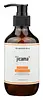 Key Ingredients
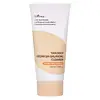
No key ingredients
Benefits
Concerns
Ingredients Side-by-side
Water
Skin ConditioningCocamidopropyl Betaine
Cleansing



Sodium Lauroyl Sarcosinate
CleansingPEG-120 Methyl Glucose Dioleate
Emulsifying
Glycerin
Humectant


Hamamelis Virginiana Water
Astringent
Potassium Cocoyl Glycinate
Surfactant
Pachyrhizus Erosus Root Extract
Skin ConditioningPanthenol
Skin Conditioning

Aloe Barbadensis Leaf
Masking
Phenoxyethanol
Preservative
Potassium Cocoate
Emulsifying
Ethylhexylglycerin
Skin ConditioningBenzoic Acid
Masking
Glycerin 41%
Humectant
Water
Skin ConditioningSodium Cocoyl Glycinate
Cleansing
Cellulose
Absorbent
Sodium Lauroyl Glutamate
SurfactantLauryl Betaine
CleansingGluconolactone
Chelating





Lauryl Hydroxysultaine
CleansingOryza Sativa Powder
Dioscorea Japonica Root Extract
Skin Conditioning
Vincetoxicum Atratum Extract
Skin ConditioningSodium Hyaluronate
Humectant
Lactobacillus Ferment Lysate
Skin Conditioning
Althaea Rosea Flower Extract
Skin ConditioningHydrolyzed Vegetable Protein
Skin ConditioningHyaluronic Acid
Humectant
Hydrolyzed Hyaluronic Acid
Humectant
Ceramide NP
Skin Conditioning
Panthenol
Skin Conditioning
Cholesterol
Emollient
Hydroxyethylcellulose
Emulsion StabilisingHydroxypropyl Starch Phosphate
Citric Acid
Buffering
Caprylyl Glycol
Emollient
Polyquaternium-67
Sodium Chloride
MaskingSodium Polyacrylate
Absorbent
Caprylic/Capric Triglyceride
Masking
Propanediol
Solvent
Sodium Phytate
ChelatingPolyglyceryl-10 Isostearate
Skin Conditioning
Hydrogenated Lecithin
Emulsifying
1,2-Hexanediol
Skin Conditioning
Caramel
Cosmetic ColorantPolyglyceryl-10 Oleate
Skin Conditioning
Butylene Glycol
Humectant
Dipropylene Glycol
HumectantEthylhexylglycerin
Skin ConditioningPolyglyceryl-3 Distearate
Emulsifying
Glyceryl Stearate Citrate
Emollient
Stearic Acid
Cleansing
Glycerin 41%, Water, Sodium Cocoyl Glycinate, Cellulose, Sodium Lauroyl Glutamate, Lauryl Betaine, Gluconolactone, Lauryl Hydroxysultaine, Oryza Sativa Powder, Dioscorea Japonica Root Extract, Vincetoxicum Atratum Extract, Sodium Hyaluronate, Lactobacillus Ferment Lysate, Althaea Rosea Flower Extract, Hydrolyzed Vegetable Protein, Hyaluronic Acid, Hydrolyzed Hyaluronic Acid, Ceramide NP, Panthenol, Cholesterol, Hydroxyethylcellulose, Hydroxypropyl Starch Phosphate, Citric Acid, Caprylyl Glycol, Polyquaternium-67, Sodium Chloride, Sodium Polyacrylate, Caprylic/Capric Triglyceride, Propanediol, Sodium Phytate, Polyglyceryl-10 Isostearate, Hydrogenated Lecithin, 1,2-Hexanediol, Caramel, Polyglyceryl-10 Oleate, Butylene Glycol, Dipropylene Glycol, Ethylhexylglycerin, Polyglyceryl-3 Distearate, Glyceryl Stearate Citrate, Stearic Acid
Ingredients Explained
These ingredients are found in both products.
Ingredients higher up in an ingredient list are typically present in a larger amount.
Ethylhexylglycerin is created from glycerin. It is a multitasker ingredient that:
The CIR Expert Panel found minimal skin absorption or sensitization of any kind in a safety assessment. Though this ingredient is considered well-tolerated, a small number of cases of allergic dermatitis have been published since 2002. Just be sure to patch test if you are unsure.
Industry-reported use ranges from 8% in rinse-off products and 2% in leave-on formulations.
Learn more about EthylhexylglycerinGlycerin (or glycerol) is a compound naturally found in your skin. It's a powerhouse humectant that pulls water into the stratum corneum.
Topically, glycerin does several things at once:
Your skin makes glycerin on its own (mostly from sebaceous oil breakdown) and shuttles it to your outermost layer of skin, or your epidermis, via aquaporin-3.
Aquaporin-3 is a transporter that is essential for normal skin hydration, elasticity, and repair. Interestingly, mice lacking in AQP3 have dry and less elastic skin that can be fully corrected with glycerin.
This ingredient is non-irritating, plays well with almost every ingredient, and works across all skin types. Typical use is anywhere between 3-10% but can go up to 79% in some leave-on products.
Just know very high concentrations (>40%) can feel tacky in low humidity.
Glycerin is the name for this ingredient in American English. British English uses Glycerol/Glycerine.
Learn more about GlycerinPanthenol is a common ingredient that helps hydrate and soothe the skin. It is found naturally in our skin and hair.
There are two forms of panthenol: D and L.
D-panthenol is also known as dexpanthenol. Most cosmetics use dexpanthenol or a mixture of D and L-panthenol.
Panthenol is famous due to its ability to go deeper into the skin's layers. Using this ingredient has numerous pros (and no cons):
Like hyaluronic acid, panthenol is a humectant. Humectants are able to bind and hold large amounts of water to keep skin hydrated.
This ingredient works well for wound healing. It works by increasing tissue in the wound and helps close open wounds.
Once oxidized, panthenol converts to pantothenic acid. Panthothenic acid is found in all living cells.
This ingredient is also referred to as pro-vitamin B5.
Learn more about PanthenolWater. It's the most common cosmetic ingredient of all. You'll usually see it at the top of ingredient lists, meaning that it makes up the largest part of the product.
So why is it so popular? Water most often acts as a solvent - this means that it helps dissolve other ingredients into the formulation.
You'll also recognize water as that liquid we all need to stay alive. If you see this, drink a glass of water. Remember to stay hydrated!
Learn more about Water

