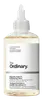
This smoothing toner is formulated around Glycolic Acid to refine skin texture and brighten dull-looking skin.


What's inside
What's inside
 Key Ingredients
Benefits
Concerns
Ingredients Side-by-side
Water
Skin ConditioningGlycolic Acid
Buffering











Rosa Damascena Flower Water
Masking

Centaurea Cyanus Flower Water
Skin Conditioning
Aloe Barbadensis Leaf Water
MaskingPropanediol
Solvent

Glycerin
Humectant
Triethanolamine
BufferingAminomethyl Propanol
BufferingPanax Ginseng Root Extract
Emollient
Tasmannia Lanceolata Fruit/Leaf Extract
Antioxidant
Aspartic Acid
Masking
Alanine
Masking
Glycine
Buffering
Serine
Masking
Valine
MaskingIsoleucine
Skin ConditioningProline
Skin Conditioning
Threonine
Histidine
Humectant
Phenylalanine
Masking
Glutamic Acid
Humectant
Arginine
Masking
PCA
Humectant
Sodium PCA
Humectant
Sodium Lactate
Buffering
Fructose
Humectant
Glucose
Humectant
Sucrose
Humectant
Urea
Buffering
Hexyl Nicotinate
EmollientDextrin
AbsorbentCitric Acid
Buffering
Polysorbate 20
Emulsifying
Gellan Gum
Trisodium Ethylenediamine Disuccinate
ChelatingSodium Chloride
MaskingHexylene Glycol
EmulsifyingPotassium Sorbate
Preservative
Sodium Benzoate
Masking
1,2-Hexanediol
Skin Conditioning
Caprylyl Glycol
Emollient
Water, Glycolic Acid, Rosa Damascena Flower Water, Centaurea Cyanus Flower Water, Aloe Barbadensis Leaf Water, Propanediol, Glycerin, Triethanolamine, Aminomethyl Propanol, Panax Ginseng Root Extract, Tasmannia Lanceolata Fruit/Leaf Extract, Aspartic Acid, Alanine, Glycine, Serine, Valine, Isoleucine, Proline, Threonine, Histidine, Phenylalanine, Glutamic Acid, Arginine, PCA, Sodium PCA, Sodium Lactate, Fructose, Glucose, Sucrose, Urea, Hexyl Nicotinate, Dextrin, Citric Acid, Polysorbate 20, Gellan Gum, Trisodium Ethylenediamine Disuccinate, Sodium Chloride, Hexylene Glycol, Potassium Sorbate, Sodium Benzoate, 1,2-Hexanediol, Caprylyl Glycol
Salicylic Acid
Masking


Water
Skin ConditioningNiacinamide
Smoothing
Acetyl Glucosamine
Skin Conditioning
Hydrolyzed Oat Protein
Skin ConditioningGalactomyces Ferment Filtrate
Humectant
Hydrolyzed Cicer Seed Extract
Skin ProtectingMedicago Sativa Extract
TonicPueraria Lobata Root Extract
HumectantSilybum Marianum Seed Extract
Skin ConditioningAmylopectin
Dextrin
Absorbent3-O-Ethyl Ascorbic Acid
Skin Conditioning
Alpha-Arbutin
Antioxidant
Polydextrose
HumectantHydroxyacetophenone
Antioxidant
Sodium Gluconate
ChelatingPotassium Sorbate
Preservative
Sodium Benzoate
Masking
Butylene Glycol
Humectant
Salicylic Acid, Water, Niacinamide, Acetyl Glucosamine, Hydrolyzed Oat Protein, Galactomyces Ferment Filtrate, Hydrolyzed Cicer Seed Extract, Medicago Sativa Extract, Pueraria Lobata Root Extract, Silybum Marianum Seed Extract, Amylopectin, Dextrin, 3-O-Ethyl Ascorbic Acid, Alpha-Arbutin, Polydextrose, Hydroxyacetophenone, Sodium Gluconate, Potassium Sorbate, Sodium Benzoate, Butylene Glycol
Reviews
Ingredients Explained
These ingredients are found in both products.
Ingredients higher up in an ingredient list are typically present in a larger amount.
Dextrin is a starch-derived polysaccharide. It's made by partially breaking down corn, potato, or other plant starches.
Think of it as "half-processed" starch; it's less complex than the original but not fully broken down into sugar like maltodextrin.
In cosmetics, it mainly functions as a bulking agent, viscosity controller, binder, and absorbent. It helps thicken products, stabilize powders, and get certain textures a less "wet" feel.
This ingredient has a pretty solid safety profile; it's recognized as a safe food additive and its large molecular size means it doesn't meaningfully penetrate skin.
Human repeat insult patch tests using a rinse-off facial product containing 42.69% dextrin found no skin irritation or sensitization in 54 subjects.
Typical real-world usage is much lower: usually under 1% as a texture modifier and up to 40% in masks (rinse off products use less).
Learn more about DextrinPotassium Sorbate is a preservative used to prevent yeast and mold in products. It is commonly found in both cosmetic and food products.
This ingredient comes from potassium salt derived from sorbic acid. Sorbic acid is a natural antibiotic and effective against fungus.
Both potassium sorbate and sorbic acid can be found in baked goods, cheeses, dried meats, dried fruit, ice cream, pickles, wine, yogurt, and more.
You'll often find this ingredient used with other preservatives.
Learn more about Potassium SorbateSodium Benzoate is a preservative. It's used in both cosmetic and food products to inhibit the growth of mold and bacteria. It is typically produced synthetically.
Both the US FDA and EU Health Committee have approved the use of sodium benzoate. In the US, levels of 0.1% (of the total product) are allowed.
Sodium benzoate works as a preservative by inhibiting the growth of bacteria inside of cells. It prevents the cell from fermenting a type of sugar using an enzyme called phosphofructokinase.
It is the salt of benzoic acid. Foods containing sodium benzoate include soda, salad dressings, condiments, fruit juices, wines, and snack foods.
Studies for using ascorbic acid and sodium benzoate in cosmetics are lacking, especially in skincare routines with multiple steps.
We always recommend speaking with a professional, such as a dermatologist, if you have any concerns.
Learn more about Sodium BenzoateWater. It's the most common cosmetic ingredient of all. You'll usually see it at the top of ingredient lists, meaning that it makes up the largest part of the product.
So why is it so popular? Water most often acts as a solvent - this means that it helps dissolve other ingredients into the formulation.
You'll also recognize water as that liquid we all need to stay alive. If you see this, drink a glass of water. Remember to stay hydrated!
Learn more about Water

