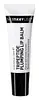
This anti-aging lip moisturizer is formulated around Squalane and Palmitoyl Tripeptide-1 to soften the look of wrinkles and hydrate lips.
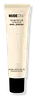
This smoothing lip moisturizer is formulated around Butyrospermum Parkii Butter and Palmitoyl Tripeptide-38 to refine skin texture and hydrate lips.


What's inside
What's inside
 Key Ingredients
Benefits
Concerns
Ingredients Side-by-side
Ricinus Communis Seed Oil
Masking




Hydroxystearic/Linolenic/Oleic Polyglycerides
EmollientGlyceryl Rosinate
Perfuming
Theobroma Grandiflorum Seed Butter
Skin Conditioning
Butyrospermum Parkii Butter
Skin Conditioning



Ethylhexyl Palmitate
Emollient
Candelilla Cera
Emollient
Mangifera Indica Seed Butter
Skin Conditioning
Orbignya Oleifera Seed Oil
Emollient
Squalane
Emollient
Cetearyl Ethylhexanoate
Emollient
Hydrogenated Olive Oil
Skin Conditioning
Salvia Hispanica Seed Oil
Emollient
Caprylic/Capric Triglyceride
Masking
Glyceryl Behenate
Emollient
Olea Europaea Oil Unsaponifiables
Skin Conditioning
Tribehenin
Emollient
Sorbitan Isostearate
Emulsifying
Tocopherol
Antioxidant




Portulaca Pilosa Extract
Skin ConditioningTrihydroxystearin
Skin Conditioning
Helianthus Annuus Seed Oil
Emollient
Sucrose Cocoate
Emulsifying
Brassica Alba Sprout Extract
Skin ConditioningSodium Hyaluronate
Humectant
Palmitoyl Tripeptide-1
Skin Conditioning


Palmitoyl Tripeptide-38
Skin Conditioning
Glucomannan
Skin ConditioningRicinus Communis Seed Oil, Hydroxystearic/Linolenic/Oleic Polyglycerides, Glyceryl Rosinate, Theobroma Grandiflorum Seed Butter, Butyrospermum Parkii Butter, Ethylhexyl Palmitate, Candelilla Cera, Mangifera Indica Seed Butter, Orbignya Oleifera Seed Oil, Squalane, Cetearyl Ethylhexanoate, Hydrogenated Olive Oil, Salvia Hispanica Seed Oil, Caprylic/Capric Triglyceride, Glyceryl Behenate, Olea Europaea Oil Unsaponifiables, Tribehenin, Sorbitan Isostearate, Tocopherol, Portulaca Pilosa Extract, Trihydroxystearin, Helianthus Annuus Seed Oil, Sucrose Cocoate, Brassica Alba Sprout Extract, Sodium Hyaluronate, Palmitoyl Tripeptide-1, Palmitoyl Tripeptide-38, Glucomannan
Hydrogenated Polyisobutene
EmollientOctyldodecanol
Emollient
Butyrospermum Parkii Butter
Skin Conditioning
Ethylhexyl Palmitate
Emollient
Persea Gratissima Butter
Skin Conditioning
Silica Dimethyl Silylate
EmollientMenthone Glycerin Acetal
Refreshing
Cetearyl Ethylhexanoate
Emollient
Vanillin
Masking

Mentha Piperita Oil
Masking
Tribehenin
Emollient
Sorbitan Isostearate
Emulsifying
Portulaca Pilosa Extract
Skin ConditioningSucrose Cocoate
Emulsifying
Palmitoyl Tripeptide-4
Skin Conditioning
Palmitoyl Tripeptide-38
Skin Conditioning
Limonene
Perfuming
Linalool
Perfuming
Hydrogenated Polyisobutene, Octyldodecanol, Butyrospermum Parkii Butter, Ethylhexyl Palmitate, Persea Gratissima Butter, Silica Dimethyl Silylate, Menthone Glycerin Acetal, Cetearyl Ethylhexanoate, Vanillin, Mentha Piperita Oil, Tribehenin, Sorbitan Isostearate, Portulaca Pilosa Extract, Sucrose Cocoate, Palmitoyl Tripeptide-4, Palmitoyl Tripeptide-38, Limonene, Linalool
Reviews
Ingredients Explained
These ingredients are found in both products.
Ingredients higher up in an ingredient list are typically present in a larger amount.
This ingredient is also known as shea butter. It is a plant-derived extract from the nuts of the Africa shea tree and one of the most well-studied emollients.
Because it has a high concentration of fatty acids (primarily oleic, stearic, and linoleic) it is able to form a protective barrier on the skin's surface. This helps seal in moisture and prevents transepidermal water loss (TEWL).
In vitro research found an increase in skin hydration by 58% and a decrease in TEWL by 37.8% after 24 hours of applying this ingredient (pretty impressive for a single ingredient!).
Besides hydration, shea butter also contains triterpenes that have anti-inflammatory potential. In particule, lupeol cinnamate has shown the highest anti-inflammatory activity in vivo.
Shea butter also contains vitamins A and E which may contribute to antioxidant activity.
While Shea Butter has an SPF rating of about 3-4, it is not a sunscreen replacement.
This ingredient may not be fungal acne safe because its fatty acids fall within the C11-C24 range that the Malassezia yeast can metabolize.
This ingredient shows up on a lot of "pore-clogging" lists but there's no real evidence behind that. It doesn't even have a comedogenic rating from an actual study; the numbers you'll find online come from blogs citing other blogs.
Ratings for other ingredients mostly come from a 1980s rabbit ear test. This test doesn't translate well to human skin or to real products because the ingredient sits at a much lower percentage.
Some people still find it breaks them out. So if that's you, definitely trust your skin. Just know this one's based on experience and not evidence.
Learn more about Butyrospermum Parkii ButterCetearyl Ethylhexanoate is derived from cetearyl alcohol and sorbic acid.
It is an emollient and helps hydrate the skin. Emollients form a barrier on the skin to prevent water from escaping.
Ethylhexyl Palmitate, also known as octyl palmitate, is created from 2-ethylhexyl alcohol and palmitic acid.
In cosmetics, it plays many roles:
One thing worth noting: a controlled study found this ingredient applied under occlusion to acne-prone subjects increased microcomedones. Just keep in mind this was under occlusive conditions and don't reflect how most products are used day-to-day.
For most people, this is a well-tolerated and lightweight ingredient.
This ingredient may not be fungal acne safe because it is an ester of palmitic acid, a C16 fatty acid that falls within the C11-24 range that Malassezia can metabolize.
You'll see this one rated 4 comedogenic all over the internet. That number isn't from a single study, and the actual research is more interesting.
The original rating comes from 1980s rabbit ear tests (which are a shaky basis for anything). But Ethylhexyl Palmitate is one of the few ingredients with real human data behind it. A 2021 controlled trial found this ingredient increased microcomedones by an average of 365% over four weeks.
Just know that test used the pure ingredient under an occlusive pad on back skin; most products use it at much lower levels alongside other ingredients and plenty of people use those with no issue.
Learn more about Ethylhexyl PalmitateThis synthetic, signal peptide has unique skin conditioning properties in that is a matrikine-mimetic compound.
First of all, Palmitoyl Tripeptide-38 is a signal peptide; signal peptides tell the body to create more collagen.
What is a matrikine-mimetic compound?
This peptide has the ability to mimic matrikines in skin. Our skin created matrikines by breaking down matrix proteins into peptides.
Matrikines play a role in:
Though further research is needed, this ingredient seems pretty promising. In one study, women over the age of 40 with visible photoaging used a vitamin C serum with this ingredient for 56 days (15% ascorbid acid, 5 ppm palmitoyl tripeptide‐38). The results found improvement in skin roughness and skin tone.
This peptide is also part of the famous Matrixyl synthe’6, a blend of ingredients that also includes glycerin, water, and hydroxypropyl cyclodextrin.
Learn more about Palmitoyl Tripeptide-38We don't have a description for Portulaca Pilosa Extract yet.
Sorbitan Isostearate is an emulsifer. It is created from isostearic acid and sorbitol.
As an emulsifier, it keeps the water and oil ingredients from separating. This keeps formulas stable and smooth.
In a 24 hour occlusive patch test on 56 subjects, 10% sorbitan isostearate was completely non-irritating. Most formulas use less than 10%.
Because it's a fatty acid ester, it may not be fungal acne safe since the Malassezia yeast can utilize it as a nutrient source.
Learn more about Sorbitan IsostearateSucrose cocoate is a mild multitasking ingredient made by esterifying sugar with the fatty acids of coconut oil.
It functions as a surfactant, emulsifier, and skin-conditioning ingredient all in one.
Typical use concentrations range from:
This ingredient is well-tolerated across skin types and has been classified safe for use in cosmetic products by the Cosmetic Ingredient Review Expert Panel. It's even considered gentle enough for use in baby care products like shampoos and lotions.
Fungal acne note: Sucrose cocoate is a fatty acid ester derived from coconut oil that contains fatty acids in the C12-18 range. This is the range that Malassezia can metabolize, meaning this ingredient may not be fungal acne safe.
Learn more about Sucrose CocoateTribehenin is the triglyceride of glycerin and behenic acid. It is an emollient that helps soften and condition skin.
Safety-wise, this is a well-vetted ingredient. Repeated-insult patch tests of 0.38% tribehenin did not trigger sensitization.
This ingredient may not be fungal acne safe because behenic acid falls into the chain-length range that Malassezia yeasts can feed on.
Learn more about Tribehenin

