

What's inside
What's inside
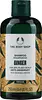 Key Ingredients
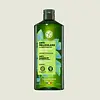
Benefits
Concerns
Ingredients Side-by-side
Water
Skin ConditioningSodium Laureth Sulfate
Cleansing



Cocamidopropyl Betaine
Cleansing

Piroctone Olamine
Preservative
Sodium Chloride
MaskingCitric Acid
Buffering

Panthenol
Skin Conditioning




Sodium Benzoate
Masking
Polysorbate 20
Emulsifying
Propylene Glycol
Humectant
Sodium Gluconate
ChelatingDimethicone Propyl Pg-Betaine
Cleansing
PEG-120 Methyl Glucose Dioleate
Emulsifying
Guar Hydroxypropyltrimonium Chloride
Skin ConditioningSodium Salicylate
Preservative
Salix Alba Bark Extract
Astringent

Parfum
Masking

Linalool
Perfuming
Limonene
Perfuming
Betula Alba Bark Extract
Masking
Zingiber Officinale Root Oil
Masking

Citronellol
Perfuming
Citral
Perfuming
Isopropyl Alcohol
Solvent
Benzyl Alcohol
Perfuming
Sr-Spider Polypeptide-1
Skin Protecting
1,2-Hexanediol
Skin Conditioning
Caprylyl Glycol
Emollient
Water, Sodium Laureth Sulfate, Cocamidopropyl Betaine, Piroctone Olamine, Sodium Chloride, Citric Acid, Panthenol, Sodium Benzoate, Polysorbate 20, Propylene Glycol, Sodium Gluconate, Dimethicone Propyl Pg-Betaine, PEG-120 Methyl Glucose Dioleate, Guar Hydroxypropyltrimonium Chloride, Sodium Salicylate, Salix Alba Bark Extract, Parfum, Linalool, Limonene, Betula Alba Bark Extract, Zingiber Officinale Root Oil, Citronellol, Citral, Isopropyl Alcohol, Benzyl Alcohol, Sr-Spider Polypeptide-1, 1,2-Hexanediol, Caprylyl Glycol
Water
Skin ConditioningCocamidopropyl Betaine
Cleansing
Sodium Methyl Cocoyl Taurate
Cleansing
Mentha Piperita Leaf Water
Skin ConditioningSodium Cocoyl Isethionate
Cleansing
Caprylyl/Capryl Glucoside
CleansingMentha Piperita Oil
Masking
Butylene Glycol
Humectant
Parfum
Masking
Piroctone Olamine
Preservative
Guar Hydroxypropyltrimonium Chloride
Skin ConditioningFructooligosaccharides
Humectant
Inulin
Skin Conditioning
Punica Granatum Pericarp Extract
Skin ConditioningCitric Acid
Buffering
Benzoic Acid
Masking
Sorbic Acid
Preservative
Coco-Glucoside
Cleansing
Glyceryl Oleate
Emollient
1,2-Hexanediol
Skin Conditioning
Caprylyl Glycol
Emollient
Limonene
Perfuming
Hydrogenated Vegetable Glycerides Citrate
EmollientTocopherol
Antioxidant


Water, Cocamidopropyl Betaine, Sodium Methyl Cocoyl Taurate, Mentha Piperita Leaf Water, Sodium Cocoyl Isethionate, Caprylyl/Capryl Glucoside, Mentha Piperita Oil, Butylene Glycol, Parfum, Piroctone Olamine, Guar Hydroxypropyltrimonium Chloride, Fructooligosaccharides, Inulin, Punica Granatum Pericarp Extract, Citric Acid, Benzoic Acid, Sorbic Acid, Coco-Glucoside, Glyceryl Oleate, 1,2-Hexanediol, Caprylyl Glycol, Limonene, Hydrogenated Vegetable Glycerides Citrate, Tocopherol
Reviews
Ingredients Explained
These ingredients are found in both products.
Ingredients higher up in an ingredient list are typically present in a larger amount.
1,2-Hexanediol is a synthetic liquid and another multi-functional powerhouse.
It is a:
- Humectant, drawing moisture into the skin
- Emollient, helping to soften skin
- Solvent, dispersing and stabilizing formulas
- Preservative booster, enhancing the antimicrobial activity of other preservatives
Caprylyl Glycol is a humectant, skin conditioner, emollient, and preservative booster derived from either caprylic acid or synthetically created.
Typical use levels vary from 0.3-1% as a preservative booster and go up to 2% to condition skin.
Because it is not a free-fatty acid, this ingredient is fungal acne safe (there's nothing for Malassezia to feed on).
Learn more about Caprylyl GlycolCitric Acid is an alpha hydroxy acid (AHA) naturally found in citrus fruits like oranges, lemons, and limes.
Like other AHAs, citric acid can exfoliate skin by breaking down the bonds that hold dead skin cells together. This helps reveal smoother and brighter skin underneath.
However, this exfoliating effect only happens at high concentrations (20%) which can be hard to find in cosmetic products.
Due to this, citric acid is usually included in small amounts as a pH adjuster. This helps keep products slightly more acidic and compatible with skin's natural pH.
In skincare formulas, citric acid can:
While it can provide some skin benefits, research shows lactic acid and glycolic acid are generally more effective and less irritating exfoliants.
Most citric acid used in skincare today is made by fermenting sugars (usually from molasses). This synthetic version is identical to the natural citrus form but easier to stabilize and use in formulations.
Rosacea skin has a lower threshold for acids generally, with 62.5% of rosacea subjects in one study reacting to lactic acid in a sting test. This is why we mark citric acid as a potential rosacea trigger.
However, this ingredient shows up as a pH adjuster or chelator at roughly 0.1-1% in many products. These low levels are unlikely to be an issue for rosacea skin and becomes a potential trigger at exfoliating concentrations (20%). Because everybody's skin is unique, we recommend a patch test if you are unsure.
Learn more about Citric AcidCocamidopropyl Betaine is a fatty acid created by mixing similar compounds in coconut oil and dimethylaminopropylamine, a compound with two amino groups.
This ingredient is a surfactant and cleanser. It helps gather the dirt, pollutants, and other impurities in your skin to be washed away. It also helps thicken a product and make the texture more creamy.
Being created from coconut oil means Cocamidopropyl Betaine is hydrating for the skin.
While Cocamidopropyl Betaine was believed to be an allergen, a study from 2012 disproved this. It found two compounds in unpure Cocamidopropyl Betaine to be the irritants: aminoamide and 3-dimethylaminopropylamine. High-grade and pure Cocamidopropyl Betaine did not induce allergic reactions during this study.
Learn more about Cocamidopropyl BetaineThis ingredient is derived from guar gum. It is a skin conditioning agent that creates a thin, breathable film to reduce water loss during cleansing.
This leaves the skin feeling soft rather than stripped and also contributes to a creamier lather.
Due to the large molecule size, this ingredient is unlikely to penetrate skin.
Learn more about Guar Hydroxypropyltrimonium ChlorideLimonene is the compound that gives citrus peel its smell.
In skincare, it shows up as a standalone fragrance ingredient or as a natural compound of citrus and other essential oils.
You'll typically see this ingredient used in very small amounts; anything above 0.001% in a leave-on product or 0.01% in a rinse-off has to be named on the label in the EU. The citrus oils that carry it sit around 0.5-1% in a finished formula.
Fresh limonene is a weak allergen; the real issue is that it slowly reacts with air and then breaks down from oxidation to create hydroperoxides (which are strong sensitizers). This is why suppliers are required to keep the peroxide value below 20 mmol.
Positive reactions in people being investigated for eczema vary:
It's worth skipping if you have a known fragrance allergy or a compromised barrier, but the risk is low for most people.
Older or long-opened products are also more likely to bother you than fresh ones due to oxidation.
Learn more about LimoneneParfum is a catch-all term for an ingredient or more that is used to give a scent to products.
Also called "fragrance", this ingredient can be a blend of hundreds of chemicals or plant oils. This means every product with "fragrance" or "parfum" in the ingredients list is a different mixture.
For instance, Habanolide is a proprietary trade name for a specific aroma chemical. When used as a fragrance ingredient in cosmetics, most aroma chemicals fall under the broad labeling category of “FRAGRANCE” or “PARFUM” according to EU and US regulations.
The term 'parfum' or 'fragrance' is not regulated in many countries. In many cases, it is up to the brand to define this term.
For instance, many brands choose to label themselves as "fragrance-free" because they are not using synthetic fragrances. However, their products may still contain ingredients such as essential oils that are considered a fragrance by INCI standards.
One example is Calendula flower extract. Calendula is an essential oil that still imparts a scent or 'fragrance'.
Depending on the blend, the ingredients in the mixture can cause allergies and sensitivities on the skin. Some ingredients that are known EU allergens include linalool and citronellol.
Parfum can also be used to mask or cover an unpleasant scent.
The bottom line is: not all fragrances/parfum/ingredients are created equally. If you are worried about fragrances, we recommend taking a closer look at an ingredient. And of course, we always recommend speaking with a professional.
Learn more about ParfumPiroctone Olamine is a synthetic antifungal and preservative ingredient.
Its main job is to keep the yeast, Malassezia, in check; this yeast is linked to dandruff, seborrheic dermatitis, and fungal acne (a.k.a. Malassezia folliculitis).
The way it works is pretty neat:
It slips into the fungal cell and grabs onto iron ions that the yeast needs for its energy metabolism; this basically starves it out. But the full mechanism isn't 100% pinned down and some research also points it to interfering with ergosterol (a building block of the fungal cell membrane).
Besides antifungal action, it also has mild anti-inflammatory and soothing effects to help calm itchiness in the scalp.
Typical usage concentrations are low. The EU permits it to be a preservative up to 1% in rinse-off products and 0.5% in leave-on products.
Though it's generally well-tolerated, a small number of people may notice itching or irritation (as with any active).
Learn more about Piroctone OlamineWater. It's the most common cosmetic ingredient of all. You'll usually see it at the top of ingredient lists, meaning that it makes up the largest part of the product.
So why is it so popular? Water most often acts as a solvent - this means that it helps dissolve other ingredients into the formulation.
You'll also recognize water as that liquid we all need to stay alive. If you see this, drink a glass of water. Remember to stay hydrated!
Learn more about Water

