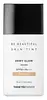
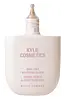
Thank You Farmer Be Beautiful Skin Tint SPF 50+ Versus Kylie Cosmetics Skin Tint Blurring Elixir Foundation


What's inside
What's inside
 Key Ingredients
Benefits
Concerns
Ingredients Side-by-side
Water
Skin ConditioningZinc Oxide
Cosmetic Colorant


Cyclohexasiloxane
Emollient
Butyloctyl Salicylate
Skin Conditioning
Propanediol
Solvent

Propylheptyl Caprylate
EmollientIsononyl Isononanoate
EmollientIsododecane
EmollientCaprylyl Methicone
Skin Conditioning
CI 77891
Cosmetic ColorantNiacinamide
Smoothing









Disiloxane
Skin Conditioning
Polyglyceryl-3 Polydimethylsiloxyethyl Dimethicone
Skin Conditioning
2,3-Butanediol
HumectantTrimethylsiloxysilicate
Emollient
Magnesium Sulfate
Triethoxycaprylylsilane
Disteardimonium Hectorite
Stabilising1,2-Hexanediol
Skin Conditioning
Polyglyceryl-2 Dipolyhydroxystearate
Skin Conditioning

Methyl Methacrylate Crosspolymer
Polymethylsilsesquioxane
Glyceryl Caprylate
EmollientCaprylyl Glycol
Emollient
Aluminum Hydroxide
EmollientPolymethyl Methacrylate
Ethylhexylglycerin
Skin ConditioningAdenosine
Skin Conditioning
Tocopherol
Antioxidant

Allantoin
Skin Conditioning
Trehalose
Humectant
CI 77492
Cosmetic ColorantCI 77491
Cosmetic ColorantCI 77499
Cosmetic ColorantWater, Zinc Oxide, Cyclohexasiloxane, Butyloctyl Salicylate, Propanediol, Propylheptyl Caprylate, Isononyl Isononanoate, Isododecane, Caprylyl Methicone, CI 77891, Niacinamide, Disiloxane, Polyglyceryl-3 Polydimethylsiloxyethyl Dimethicone, 2,3-Butanediol, Trimethylsiloxysilicate, Magnesium Sulfate, Triethoxycaprylylsilane, Disteardimonium Hectorite, 1,2-Hexanediol, Polyglyceryl-2 Dipolyhydroxystearate, Methyl Methacrylate Crosspolymer, Polymethylsilsesquioxane, Glyceryl Caprylate, Caprylyl Glycol, Aluminum Hydroxide, Polymethyl Methacrylate, Ethylhexylglycerin, Adenosine, Tocopherol, Allantoin, Trehalose, CI 77492, CI 77491, CI 77499
Water
Skin ConditioningIsododecane
EmollientDimethicone
Emollient
Trimethylsiloxysilicate
Emollient
Propanediol
Solvent
Cetyl PEG/PPG-10/1 Dimethicone
Emulsifying
Pentylene Glycol
Skin Conditioning
Phenyl Trimethicone
Skin Conditioning
Silica
Abrasive
Sodium Chloride
MaskingDisteardimonium Hectorite
StabilisingDimethicone Crosspolymer
Emulsion Stabilising
Magnesium Sulfate
Sodium Dehydroacetate
Preservative
Potassium Sorbate
Preservative
Ethylene Brassylate
MaskingPropylene Carbonate
SolventMica
Cosmetic ColorantC24-28 Alkyl Methicone
Emollient
Triethoxycaprylylsilane
Sodium Hyaluronate
Humectant
Aluminum Hydroxide
EmollientPentaerythrityl Tetra-Di-T-Butyl Hydroxyhydrocinnamate
Antioxidant
CI 77891
Cosmetic ColorantCI 77491
Cosmetic ColorantCI 77492
Cosmetic ColorantCI 77499
Cosmetic ColorantCI 77163
Cosmetic Colorant

Water, Isododecane, Dimethicone, Trimethylsiloxysilicate, Propanediol, Cetyl PEG/PPG-10/1 Dimethicone, Pentylene Glycol, Phenyl Trimethicone, Silica, Sodium Chloride, Disteardimonium Hectorite, Dimethicone Crosspolymer, Magnesium Sulfate, Sodium Dehydroacetate, Potassium Sorbate, Ethylene Brassylate, Propylene Carbonate, Mica, C24-28 Alkyl Methicone, Triethoxycaprylylsilane, Sodium Hyaluronate, Aluminum Hydroxide, Pentaerythrityl Tetra-Di-T-Butyl Hydroxyhydrocinnamate, CI 77891, CI 77491, CI 77492, CI 77499, CI 77163
Reviews
Ingredients Explained
These ingredients are found in both products.
Ingredients higher up in an ingredient list are typically present in a larger amount.
Aluminum Hydroxide is a form of aluminum. It can be naturally found in nature as the mineral gibbsite. In cosmetics, Aluminum Hydroxide is used as a colorant, pH adjuster, and absorbent.
As a colorant, Aluminum Hydroxide may add opacity, or reduce the transparency. Aluminum hydroxide is contains both basic and acidic properties.
According to manufacturers, this ingredient is an emollient and humectant. This means it helps hydrate the skin.
In medicine, this ingredient is used to help relieve heartburn and help heal ulcers.
There is currently no credible scientific evidence linking aluminum hydroxide in cosmetics to increased cancer risk.
Major health organizations allow the use of aluminum hydroxide in personal care products and have not flagged it as a carcinogenic risk at typical usage levels.
Learn more about Aluminum HydroxideCi 77491 is also hydrated iron III oxide. It's sole purpose is to give a red/pink hue to products.
Iron III oxides are classified as inorganic chemicals for coloring.
Synthetically created Ci 77491 is considered safer than those naturally found. This is because the synthetically created version may contain less impurities. Iron oxides are generally non-toxic and non-allergenic.
Learn more about CI 77491CI 77492 is also hydrated iron III oxide. It's sole purpose is to give a yellow hue to products.
Iron III oxides are classified as inorganic chemicals for coloring.
Synthetically created CI 77492 is considered safer than those naturally found. This is because the synthetically created version may contain less impurities. Iron oxides are generally non-toxic and non-allergenic.
Learn more about CI 77492Ci 77499 is also hydrated iron III oxide. It is created from mixing red and black iron oxides. This helps give shades of darkness to a product.
Iron III oxides are classified as inorganic chemicals for coloring.
Ci 77891 is a white pigment from Titanium dioxide. It is naturally found in minerals such as rutile and ilmenite.
It's main function is to add a white color to cosmetics. It can also be mixed with other colors to create different shades.
Ci 77891 is commonly found in sunscreens due to its ability to block UV rays.
Learn more about CI 77891Disteardimonium Hectorite comes from the clay mineral named hectorite. It is used to add thickness to a product.
It can also help stabilize a product by helping to disperse other ingredients.
Hectorite is a rare, white clay mineral.
Learn more about Disteardimonium HectoriteIsododecane is a fragrance, emollient, and solvent.
As an emollient, it helps your skin stay soft and hydrated. Emollients help trap moisture into your skin.
Isododecane's role as a solvent makes it a great texture enhancer. It spreads smoothly on skin and does not leave a sticky feeling behind. Isododecane also helps prevent color transfer in makeup products.
Isododecane is not absorbed into skin.
The chemical name for this ingredient is 2,2,4,6,6-PENTAMETHYLHEPTANE.
Learn more about IsododecaneMagnesium Sulfate is a salt. More specifically, it is an epsom salt, or the bath salt used to help relieve muscle aches.
Despite having ‘sulfate’ in the name, it isn’t a surfactant or cleansing agent like sodium lauryl sulfate. Unlike those sulfates, magnesium sulfate doesn’t have the same cleansing or foaming properties (it's simply a type of salt).
In cosmetics, Magnesium Sulfate is used to thicken a product or help dilute other solids. It is a non-reactive and non-irritating ingredient.
One study shows magnesium deficiency may lead to inflammation of the skin. Applying magnesium topically may help reduce inflammation.
You can find this ingredient in sea water or mineral deposits.
Learn more about Magnesium SulfatePropanediol is an all-star ingredient. It softens, hydrates, and smooths the skin.
It’s often used to:
Propanediol is not likely to cause sensitivity and considered safe to use. It is derived from corn or petroleum with a clear color and no scent.
Learn more about PropanediolTriethoxycaprylylsilane is a silicon-based surface modifier that makes sunscreens feel silky and makeup stay put.
Its main job is to coat mineral particles like titanium dioxide, zinc oxide, and color pigments in a thin, oily layer so they spread smoothly, don't clump, and stick to skin better.
This ingredient is typically used at low levels (up to 2.5% in eyeshadow and 1% in lipstick).
Learn more about TriethoxycaprylylsilaneThis silicone is an emollient. Emollients create a thin film on the skin to prevent moisture from escaping.
It is not soluble in water and helps increase water-resistance in products.
According to a manufacturer, it can blend seamlessly with silicone oils, such as Cyclopentasiloxane.
Learn more about TrimethylsiloxysilicateWater. It's the most common cosmetic ingredient of all. You'll usually see it at the top of ingredient lists, meaning that it makes up the largest part of the product.
So why is it so popular? Water most often acts as a solvent - this means that it helps dissolve other ingredients into the formulation.
You'll also recognize water as that liquid we all need to stay alive. If you see this, drink a glass of water. Remember to stay hydrated!
Learn more about Water

