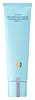
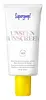
Tatcha Silken Pore Perfecting Sunscreen Broad Spectrum SPF 35 PA+++ Versus Supergoop! Unseen Sunscreen SPF 40 PA+++
This hybrid sunscreen covers the full UV range and blocks ~97% of UVB at SPF 35.
This chemical sunscreen covers most of the UV range, lighter on the deep UVA that drives aging.

What's inside
What's inside
 Key Ingredients
Benefits
Concerns
Ingredients Side-by-side
Zinc Oxide 15%
Cosmetic Colorant


Ethylhexyl Salicylate 5%
UV Absorber
Water
Skin ConditioningIsododecane
EmollientCyclopentasiloxane
Emollient
Propanediol
Solvent

Hdi/Trimethylol Hexyllactone Crosspolymer
Glycerin
Humectant
Dimethicone
Emollient
Octyldodecyl Neopentanoate
EmollientBehenyl Alcohol
Emollient
Dimethicone/Vinyl Dimethicone Crosspolymer
Skin Conditioning
Rosa Multiflora Fruit Extract
MaskingEriobotrya Japonica Leaf Extract
Skin ConditioningStearyl Glycyrrhetinate
Skin ConditioningGlycyrrhiza Inflata Root Extract
Skin Conditioning
Camellia Sinensis Leaf Extract
Antimicrobial




Pistacia Lentiscus Gum
MaskingSericin
Skin ConditioningAlgae Extract
Emollient

Lecithin
Emollient
Inositol
Humectant
Polyhydroxystearic Acid
Emulsifying

Sorbitan Tristearate
EmulsifyingSodium Dilauramidoglutamide Lysine
HumectantSilica
Abrasive
Potassium Sorbate
Preservative
Beheneth-20
EmulsifyingSodium Acrylate/Acryloyldimethyltaurate/Dimethylacrylamide Crosspolymer
Emulsion StabilisingPolymethylsilsesquioxane
Methicone
Emollient
Trimethylsiloxysilicate
Emollient
Dimethiconol
Emollient
Disodium EDTA
ChelatingParfum
Masking


Ethylhexylglycerin
Skin ConditioningAlcohol
Antimicrobial

Phenoxyethanol
Preservative
CI 77491
Cosmetic ColorantCI 77891
Cosmetic ColorantMica
Cosmetic ColorantZinc Oxide 15%, Ethylhexyl Salicylate 5%, Water, Isododecane, Cyclopentasiloxane, Propanediol, Hdi/Trimethylol Hexyllactone Crosspolymer, Glycerin, Dimethicone, Octyldodecyl Neopentanoate, Behenyl Alcohol, Dimethicone/Vinyl Dimethicone Crosspolymer, Rosa Multiflora Fruit Extract, Eriobotrya Japonica Leaf Extract, Stearyl Glycyrrhetinate, Glycyrrhiza Inflata Root Extract, Camellia Sinensis Leaf Extract, Pistacia Lentiscus Gum, Sericin, Algae Extract, Lecithin, Inositol, Polyhydroxystearic Acid, Sorbitan Tristearate, Sodium Dilauramidoglutamide Lysine, Silica, Potassium Sorbate, Beheneth-20, Sodium Acrylate/Acryloyldimethyltaurate/Dimethylacrylamide Crosspolymer, Polymethylsilsesquioxane, Methicone, Trimethylsiloxysilicate, Dimethiconol, Disodium EDTA, Parfum, Ethylhexylglycerin, Alcohol, Phenoxyethanol, CI 77491, CI 77891, Mica
Butyl Methoxydibenzoylmethane 3%
UV Absorber
Homosalate 8%
Skin Conditioning
Ethylhexyl Salicylate 5%
UV Absorber
Octocrylene 4%
UV Absorber
Isododecane
EmollientDimethicone Crosspolymer
Emulsion Stabilising
Dimethicone/Bis-Isobutyl PPG-20 Crosspolymer
Emollient
Polymethylsilsesquioxane
Isohexadecane
EmollientDicaprylyl Carbonate
EmollientMeadowfoam Estolide
Skin ConditioningCaprylic/Capric Triglyceride
Masking
Polyester-7
Skin ConditioningNeopentyl Glycol Diheptanoate
EmollientLithothamnion Calcareum Extract
Skin ConditioningCaprylyl Glycol
Emollient
Butyrospermum Parkii Butter
Skin Conditioning
Jojoba Esters
Emollient
Mannitol
Humectant
Boswellia Serrata Resin Extract
SmoothingLecithin
Emollient
Microcrystalline Cellulose
AbsorbentDiatomaceous Earth
Abrasive
Zinc Sulfate
Antimicrobial
Silica
Abrasive
Tocopherol
Antioxidant

Butyl Methoxydibenzoylmethane 3%, Homosalate 8%, Ethylhexyl Salicylate 5%, Octocrylene 4%, Isododecane, Dimethicone Crosspolymer, Dimethicone/Bis-Isobutyl PPG-20 Crosspolymer, Polymethylsilsesquioxane, Isohexadecane, Dicaprylyl Carbonate, Meadowfoam Estolide, Caprylic/Capric Triglyceride, Polyester-7, Neopentyl Glycol Diheptanoate, Lithothamnion Calcareum Extract, Caprylyl Glycol, Butyrospermum Parkii Butter, Jojoba Esters, Mannitol, Boswellia Serrata Resin Extract, Lecithin, Microcrystalline Cellulose, Diatomaceous Earth, Zinc Sulfate, Silica, Tocopherol
Reviews
Ingredients Explained
These ingredients are found in both products.
Ingredients higher up in an ingredient list are typically present in a larger amount.
Ethylhexyl Salicylate (also called Octisalate or Octyl Salicylate) is an oil-soluble organic UV filter that's been used in sunscreen since the 1950's.
It absorbs UVB light in the 280-320 nm range with a peak absorbance around 306 nm.
You'll often see it paired with other UV filters to boost overall SPF because octisalate is a fairly week filter on its own.
The reason you'll see it so often is because it can help solubilize and stabilize the trickier filters like oxybenzone and avobenzone.
Unlike these filters, octisalate has pretty good photostability and doesn't create skin-damaging free radicals when exposed to sunlight.
The fatty-alcohol part of the molecule also gives it a light, emollient feel so it doubles as a nice texture enhancer.
Usage levels vary around the world:
Safety-wise, this ingredient has a pretty reassuring track record. The EU's Scientific Committee on Consumer Products (SCCP) found very low skin penetration in human skin tests and negative results for irritation, phototoxicity, and photoallergy.
The real-world allergy risk is pretty low too; a 2012 European study of 1,031 people recorded only 2 reactions to it (a rate of 0.19%).
You might have seen scary headlines about sunscreen getting into your blood.
In 2019, the FDA found that several chemical filters can absorb through the skin and show up in the bloodstream at small but measurable levels.
Here's the important part: these tiny levels are just a cutoff the FDA uses to decide which ingredients need more testing and doesn't mean anything harmful was found.
The researchers were clear that the results are no reason to stop wearing sunscreen.
Learn more about Ethylhexyl SalicylateIsododecane is a fragrance, emollient, and solvent.
As an emollient, it helps your skin stay soft and hydrated. Emollients help trap moisture into your skin.
Isododecane's role as a solvent makes it a great texture enhancer. It spreads smoothly on skin and does not leave a sticky feeling behind. Isododecane also helps prevent color transfer in makeup products.
Isododecane is not absorbed into skin.
The chemical name for this ingredient is 2,2,4,6,6-PENTAMETHYLHEPTANE.
Learn more about IsododecaneLecithin is a term for a group of substances found in the cell membranes of plants, animals, and humans. They are made up of phospholipids.
Thanks to its amphiphilic structure (water-loving head and oil-loving tail), it is a true multitasker:
It plays well with most ingredients and is typically used at 0.1-1%. However, concentrations up to 50% have been reported in moisturizers.
Learn more about LecithinPolymethylsilsesquioxane is a silicone used as a film forming agent.
When applied to the skin, this ingredient creates an invisible film on the surface. This film still allows oxygen to pass through, but prevents moisture from escaping. This can help condition and hydrate the skin. It also leaves a silky feel when applied.
Polymethylsilsesquioxane has not been shown to clog pores. It has been deemed safe to use up to 55%, but most cosmetics use much less.
If you have concerns about using this ingredient, we recommend speaking with a professional.
Learn more about PolymethylsilsesquioxaneSilica, also known as silicon dioxide, is a naturally occurring mineral. It is used as a fine, spherical, and porous powder in cosmetics.
Though it has exfoliant properties, the function of silica varies depending on the product.
The unique structure of silica enhances the spreadability and adds smoothness, making it a great texture enhancer.
It is also used as an active carrier, emulsifier, and mattifier due to its ability to absorb excess oil.
In some products, tiny microneedles called spicules are made from silica or hydrolyzed sponge. When you rub them in, they lightly polish away dead skin layers and enhance the penetration of active ingredients.
Learn more about Silica

