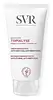
This moisturizer is formulated around Dipotassium Glycyrrhizate and Phytosterols to hydrate skin.
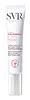
This calming eye moisturizer is formulated around Dipotassium Glycyrrhizate and Saccharide Isomerate to calm redness and hydrate skin.

What's inside
What's inside
 Key Ingredients
Benefits
Concerns
Ingredients Side-by-side
Water
Skin ConditioningHydrogenated Polydecene
EmollientGlycerin
Humectant


Ethylhexyl Stearate
Emollient




Cetearyl Alcohol
Emollient

Dimethicone
Emollient
Crambe Abyssinica Seed Oil
Skin Conditioning
Polyester-7
Skin ConditioningGlyceryl Stearate
Emollient
Xylitylglucoside
Humectant
Neopentyl Glycol Diheptanoate
Emollient1,2-Hexanediol
Skin Conditioning
Behenyl Alcohol
Emollient
C10-18 Triglycerides
Emollient
Aminopropanediol
BufferingCeteareth-33
CleansingDipotassium Glycyrrhizate
Humectant

Elaeis Guineensis Oil
Emollient
Oleyl Alcohol
Emollient

Phytosterols
Skin Conditioning
Anhydroxylitol
Humectant
Camelina Sativa Seed Oil
Skin Conditioning
Hydrolyzed Rice Protein
Skin ConditioningSodium Hyaluronate
Humectant

Tocopheryl Acetate
Antioxidant


Xylitol
Humectant
Triethanolamine
BufferingAmmonium Acryloyldimethyltaurate/Vp Copolymer
Ceteth-20
CleansingCetyl Alcohol
Emollient
Disodium EDTA
PEG-75 Stearate
Surfactant
Steareth-20
CleansingChlorphenesin
Antimicrobial
Phenoxyethanol
Preservative
Water, Hydrogenated Polydecene, Glycerin, Ethylhexyl Stearate, Cetearyl Alcohol, Dimethicone, Crambe Abyssinica Seed Oil, Polyester-7, Glyceryl Stearate, Xylitylglucoside, Neopentyl Glycol Diheptanoate, 1,2-Hexanediol, Behenyl Alcohol, C10-18 Triglycerides, Aminopropanediol, Ceteareth-33, Dipotassium Glycyrrhizate, Elaeis Guineensis Oil, Oleyl Alcohol, Phytosterols, Anhydroxylitol, Camelina Sativa Seed Oil, Hydrolyzed Rice Protein, Sodium Hyaluronate, Tocopheryl Acetate, Xylitol, Triethanolamine, Ammonium Acryloyldimethyltaurate/Vp Copolymer, Ceteth-20, Cetyl Alcohol, Disodium EDTA, PEG-75 Stearate, Steareth-20, Chlorphenesin, Phenoxyethanol
Water
Skin ConditioningPropanediol
Solvent
Hydrogenated Polydecene
EmollientCyclopentasiloxane
Emollient
Orbignya Oleifera Seed Oil
Emollient
Polyacrylamide
Behenyl Alcohol
Emollient
Caprylic/Capric Triglyceride
Masking
Dipotassium Glycyrrhizate
Humectant
Saccharide Isomerate
Humectant
Sodium Hyaluronate
Humectant
Tocopheryl Acetate
Antioxidant
1,2-Hexanediol
Skin Conditioning
C13-14 Isoparaffin
Emollient
Caprylyl Glycol
Emollient
Ceteareth-20
CleansingCitric Acid
Buffering
Gossypium Herbaceum Seed Oil
Skin Conditioning
Laureth-7
EmulsifyingPentylene Glycol
Skin Conditioning
Sodium Citrate
BufferingSodium Polyacrylate Starch
AbsorbentWater, Propanediol, Hydrogenated Polydecene, Cyclopentasiloxane, Orbignya Oleifera Seed Oil, Polyacrylamide, Behenyl Alcohol, Caprylic/Capric Triglyceride, Dipotassium Glycyrrhizate, Saccharide Isomerate, Sodium Hyaluronate, Tocopheryl Acetate, 1,2-Hexanediol, C13-14 Isoparaffin, Caprylyl Glycol, Ceteareth-20, Citric Acid, Gossypium Herbaceum Seed Oil, Laureth-7, Pentylene Glycol, Sodium Citrate, Sodium Polyacrylate Starch
Reviews
Ingredients Explained
These ingredients are found in both products.
Ingredients higher up in an ingredient list are typically present in a larger amount.
1,2-Hexanediol is a synthetic liquid and another multi-functional powerhouse.
It is a:
- Humectant, drawing moisture into the skin
- Emollient, helping to soften skin
- Solvent, dispersing and stabilizing formulas
- Preservative booster, enhancing the antimicrobial activity of other preservatives
Behenyl Alcohol is a type of fatty alcohol (these are different from the drying, solvent alcohols).
Fatty Alcohols have hydrating properties and are most often used as an emollient or to thicken a product. They are usually derived from natural fats and oils; behenyl alcohol is derived from the fats of vegetable oils.
Emollients help keep your skin soft and hydrated by creating a film that traps moisture in.
In 2000, Behenyl Alcohol was approved by the US as medicine to reduce the duration of cold sores.
Learn more about Behenyl AlcoholDipotassium Glycyrrhizate comes from licorice root.
Extracts of licorice have demonstrated to have antibacterial, anti‐inflammatory, antiviral, antioxidant properties.
One component, glabridin, has extra potent antioxidant and soothing properties. It has also been found to block pigmentation from UVB rays in guinea pigs.
Licorice Root also contains a flavonoid. Flavonoids are a natural substance from in plants. Flavonoids also have antioxidant properties.
Another component, glycyrrhizin, has been found to have anti-inflammatory and antimicrobial benefits. This may make licorice root extract effective at treating acne. However, more research is needed to support this.
Liquiritin is one of the flavone compounds found in licorice. It has been found to help lighten skin by preventing tyrosinase from reacting with tyrosine. When the two react, protein is converted to melanin. Melanin is the substance in your body that gives your features pigmentation.
Licorice root is native to Southern Europe and Asia. It has been used in traditional Chinese medicine to help with respiratory issues.
Learn more about Dipotassium GlycyrrhizateHydrogenated Polydecene is a synthetic emollient. It forms a non-occlusive film on the skin's surface to provide a silky feel without being greasy.
In vivo studies in volunteers with atopic and dry skin showed no irritation or intolerance. The volunteers also saw a positive effect in dryness, scaling, and roughness after 28 days of use.
Concentrations up to 100% in guinea pig tests found it to be non-sensitizing and completely safe for use in cosmetics.
Learn more about Hydrogenated PolydeceneSodium Hyaluronate is the salt form of hyaluronic acid. It is a long sugar chain that is naturally found in your skin, joints, and connective tissue that maintains hydration and elasticity.
In skincare, it works as a humectant. It pulls water from the environment and deeper layers of skin and binds it to the surface.
Interestingly, the size of the molecule affects its behavior:
Some clinical evidence links low molecular weight versions to improved wrinkle depth, elasticity, anti-inflammatory effects, and barrier repair.
Many serums use a blend of both weights so you can get surface hydration plus longer-lasting and deeper effects.
You'll typically see concentrations between 0.1-2% for this ingredient.
Learn more about Sodium HyaluronateTocopheryl Acetate is a stable, shelf-friendly form of vitamin E.
Formulators love it because plain vitamin E oxidizes quickly once it hits air. This acetate version stays stable and resists going off, helping to extend a product's shelf life.
It's actually inactive on its own and works like a slow-release "storage" form; the enzymes in your skin called esterases gradually convert it into active vitamin E over time.
One in vivo study showed 5% of the acetate in the living layer of the epidermis converted to vitamin E after 5 days of application. This study also found the skin gained protection against UV damage even though the conversion was slow and small.
Once converted, vitamin E acts as a skin's main fat-soluble antioxidant that fights free radicals to protect skin from damage.
Topical vitamin E generally boosts the skin's photoprotection, and it reduced UV-damage in animal models.
This ingredient has some brightening potential but it's more of a prevention ingredient than spot-fader. Cell studies show it can slow down melanin production but it's worth noting that it's not the most powerful brightener out there.
Overall, it has a pretty solid safety profile and has been found to be non-irritating and non-comedogenic. Allergic reactions may happen but stay rare due to how widely the ingredient gets used.
The concentration will vary depending on the formula; industry data shows 0.1% in baby lotions, 3% in lipsticks, and 5% in foot powders. You can also find this ingredient at 100% in a pure vitamin E oil.
Most leave-on skincare keeps it at the lower end, often between 0.5-1%.
Learn more about Tocopheryl AcetateWater. It's the most common cosmetic ingredient of all. You'll usually see it at the top of ingredient lists, meaning that it makes up the largest part of the product.
So why is it so popular? Water most often acts as a solvent - this means that it helps dissolve other ingredients into the formulation.
You'll also recognize water as that liquid we all need to stay alive. If you see this, drink a glass of water. Remember to stay hydrated!
Learn more about Water

