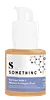
This anti-aging treatment is formulated around Adenosine to soften the look of wrinkles and calm redness.
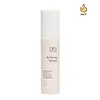
This pore-care treatment is formulated around Salix Alba Bark Extract and Camellia Sinensis Leaf Extract to refine the look of pores and calm redness.


What's inside
What's inside
 Key Ingredients
Benefits
Concerns
Ingredients Side-by-side
Sea Water 62%
HumectantGlycerin
Humectant


Water
Skin ConditioningMethylpropanediol
SolventPseudoalteromonas Ferment Extract
Humectant


Ammonium Acryloyldimethyltaurate/Vp Copolymer
Butylene Glycol
Humectant
Betaine
Humectant
DNA
Skin ConditioningAdenosine
Skin Conditioning
Xanthan Gum
EmulsifyingPhenoxyethanol
Preservative
Anthemis Nobilis Flower Extract
Masking
Ethylhexylglycerin
Skin ConditioningCaprylyl Glycol
Emollient
Carbomer
Emulsion StabilisingMelia Azadirachta Leaf Extract
Skin ConditioningPotassium Sorbate
Preservative
Melia Azadirachta Flower Extract
Skin ConditioningAmino Esters-1
Skin ConditioningCoccinia Indica Fruit Extract
Skin Conditioning
Solanum Melongena Fruit Extract
Skin ConditioningAllantoin
Skin Conditioning
Caffeine
Skin Conditioning
Aloe Barbadensis Flower Extract
EmollientSodium Metabisulfite
Antioxidant
Curcuma Longa Root Extract
Antioxidant
Ocimum Basilicum Flower/Leaf Extract
TonicPearl Powder
Lawsonia Inermis Flower/Fruit/Leaf Extract
MaskingOcimum Sanctum Leaf Extract
Skin ConditioningBiotin
AntiseborrhoeicTocopherol
Antioxidant


1,2-Hexanediol
Skin Conditioning
Sea Water 62%, Glycerin, Water, Methylpropanediol, Pseudoalteromonas Ferment Extract, Ammonium Acryloyldimethyltaurate/Vp Copolymer, Butylene Glycol, Betaine, DNA, Adenosine, Xanthan Gum, Phenoxyethanol, Anthemis Nobilis Flower Extract, Ethylhexylglycerin, Caprylyl Glycol, Carbomer, Melia Azadirachta Leaf Extract, Potassium Sorbate, Melia Azadirachta Flower Extract, Amino Esters-1, Coccinia Indica Fruit Extract, Solanum Melongena Fruit Extract, Allantoin, Caffeine, Aloe Barbadensis Flower Extract, Sodium Metabisulfite, Curcuma Longa Root Extract, Ocimum Basilicum Flower/Leaf Extract, Pearl Powder, Lawsonia Inermis Flower/Fruit/Leaf Extract, Ocimum Sanctum Leaf Extract, Biotin, Tocopherol, 1,2-Hexanediol
Water
Skin ConditioningButylene Glycol
Humectant
Castanea Crenata Shell Extract
Skin ConditioningPEG-60 Hydrogenated Castor Oil
Emulsifying
Cinnamomum Cassia Bark
Skin ConditioningAnthemis Nobilis Flower Extract
Masking
Rhus Semialata Gall Extract
Skin ConditioningCaprylyl Glycol
Emollient
Carbomer
Emulsion StabilisingTriethanolamine
BufferingSalix Alba Bark Extract
Astringent
1,2-Hexanediol
Skin Conditioning
Allantoin
Skin Conditioning
Ammonium Acryloyldimethyltaurate/Vp Copolymer
Camellia Sinensis Leaf Extract
Antimicrobial
Yeast Ferment Extract
Skin ConditioningEthylhexylglycerin
Skin ConditioningDipotassium Glycyrrhizate
Humectant
Mentha Haplocalix Extract
MaskingHamamelis Virginiana Leaf Extract
Skin Conditioning

Menthyl Lactate
Masking
Glycerin
Humectant
Hydrolyzed Albumen
Skin ConditioningScutellaria Baicalensis Root Extract
Astringent
Beta-Glucan
Skin Conditioning
Glycine
Buffering
Glutamic Acid
Humectant
Histidine
Humectant
Lysine
Skin ConditioningProline
Skin Conditioning
Serine
Masking
Alanine
Masking
Arginine
Masking
Aspartic Acid
Masking
Leucine
Skin ConditioningThreonine
Valine
MaskingParfum
Masking

Phenoxyethanol
Preservative
Limonene
Perfuming
Linalool
Perfuming
Hexyl Cinnamal
Perfuming
Citronellol
Perfuming
Water, Butylene Glycol, Castanea Crenata Shell Extract, PEG-60 Hydrogenated Castor Oil, Cinnamomum Cassia Bark, Anthemis Nobilis Flower Extract, Rhus Semialata Gall Extract, Caprylyl Glycol, Carbomer, Triethanolamine, Salix Alba Bark Extract, 1,2-Hexanediol, Allantoin, Ammonium Acryloyldimethyltaurate/Vp Copolymer, Camellia Sinensis Leaf Extract, Yeast Ferment Extract, Ethylhexylglycerin, Dipotassium Glycyrrhizate, Mentha Haplocalix Extract, Hamamelis Virginiana Leaf Extract, Menthyl Lactate, Glycerin, Hydrolyzed Albumen, Scutellaria Baicalensis Root Extract, Beta-Glucan, Glycine, Glutamic Acid, Histidine, Lysine, Proline, Serine, Alanine, Arginine, Aspartic Acid, Leucine, Threonine, Valine, Parfum, Phenoxyethanol, Limonene, Linalool, Hexyl Cinnamal, Citronellol
Ingredients Explained
These ingredients are found in both products.
Ingredients higher up in an ingredient list are typically present in a larger amount.
1,2-Hexanediol is a synthetic liquid and another multi-functional powerhouse.
It is a:
- Humectant, drawing moisture into the skin
- Emollient, helping to soften skin
- Solvent, dispersing and stabilizing formulas
- Preservative booster, enhancing the antimicrobial activity of other preservatives
Allantoin is a soothing ingredient known for its protective and moisturizing properties; it's basically a quiet workhorse ingredient you can find in a huge range of cosmetics.
Though it can be derived from the comfrey plant, allantoin is produced synthetically for cosmetic products to ensure purity.
Research shows it can encourage your skin cells to turn over and renew by stimulating keratinocyte and fibroblast proliferation.
It also has mild keratolytic properties to help loosen and shed dead skin cells without being harsh.
Studies also suggest allantoin can help calm inflammation by dialing down some of the chemical signals your skin sends out when it is irritated.
This ingredient is typically used in the 0.1-0.5% range, and the FDA recognizes it as a skin protectant in OTC products up to 2%.
Overall, allantoin is a wonderful addition to most routines; it is stable across a wide pH range (~4-8), works well with other ingredients, and is considered non-sensitizing/non-irritating.
Fun fact: Allantoin is naturally occurring in comfrey root, beets, chamomile, and wheat sprouts. Our bodies even produce it as a byproduct of uric acid metabolism.
Learn more about AllantoinAmmonium Acryloyldimethyltaurate/Vp Copolymer is a synthetically created polymer. It's used as a film-forming agent and used to thicken the consistency of products.
Think of it as a supportive ingredient that helps your gel-creams feel silky, "cloud cream-like", and spread evenly without being greasy.
The Cosmetic Ingredient Review (CIR) Expert Panel evaluated it (along with 22 other acryloyldimethyltaurate polymers) and concluded it's:
Due to its large molecular size, it sits on the surface of skin rather than penetrating it.
Learn more about Ammonium Acryloyldimethyltaurate/Vp CopolymerAnthemis Nobilis Flower Extract is from the Roman Chamomile flower. It helps soothe the skin and contains antioxidants.
Butylene Glycol (or BG) is used within cosmetic products for a few different reasons:
Overall, Butylene Glycol is a safe and well-rounded ingredient that works well with other ingredients.
Though this ingredient works well with most skin types, some people with sensitive skin may experience a reaction such as allergic rashes, closed comedones, or itchiness.
Learn more about Butylene GlycolCaprylyl Glycol is a humectant, skin conditioner, emollient, and preservative booster derived from either caprylic acid or synthetically created.
Typical use levels vary from 0.3-1% as a preservative booster and go up to 2% to condition skin.
Because it is not a free-fatty acid, this ingredient is fungal acne safe (there's nothing for Malassezia to feed on).
Learn more about Caprylyl GlycolCarbomer is a synthetic thickening and gelling agent. It's basically the ingredient that gives a lot of serums, gels, creams, and sunscreens their smooth, non-sticky texture.
Although legally permitted at very high levels, carbomers are normally used at concentrations below 1%.
It also needs to be neutralized to actually thicken, and because it is a large molecule, it doesn't really penetrate the skin barrier.
Allergy-wise, the risk is very low. Clinical studies show carbomers have low potential for skin irritation/sensitization even at concentrations up to 100%.
A 2024 UK study patch-tested 1,302 patients and found true allergy to the parent group of carbomer to be rare with no confirmed relevant reactions.
Learn more about CarbomerEthylhexylglycerin is created from glycerin. It is a multitasker ingredient that:
The CIR Expert Panel found minimal skin absorption or sensitization of any kind in a safety assessment. Though this ingredient is considered well-tolerated, a small number of cases of allergic dermatitis have been published since 2002. Just be sure to patch test if you are unsure.
Industry-reported use ranges from 8% in rinse-off products and 2% in leave-on formulations.
Learn more about EthylhexylglycerinGlycerin (or glycerol) is a compound naturally found in your skin. It's a powerhouse humectant that pulls water into the stratum corneum.
Topically, glycerin does several things at once:
Your skin makes glycerin on its own (mostly from sebaceous oil breakdown) and shuttles it to your outermost layer of skin, or your epidermis, via aquaporin-3.
Aquaporin-3 is a transporter that is essential for normal skin hydration, elasticity, and repair. Interestingly, mice lacking in AQP3 have dry and less elastic skin that can be fully corrected with glycerin.
This ingredient is non-irritating, plays well with almost every ingredient, and works across all skin types. Typical use is anywhere between 3-10% but can go up to 79% in some leave-on products.
Just know very high concentrations (>40%) can feel tacky in low humidity.
Glycerin is the name for this ingredient in American English. British English uses Glycerol/Glycerine.
Learn more about GlycerinPhenoxyethanol is one of the most widely used preservatives in skincare (and for good reason!).
It has a large spectrum of antimicrobial activity and especially effective bacteria, yeast, and mold while only having a weak effect on your skin's natural microbiome.
On a cellular level, it disrupts the cell membranes of microbes by poking holes that make the cell leak. This shuts down the chemical reactions the microbe needs to make energy so it can no longer survive.
Another perk of this ingredient is that it stays functional across a wide pH range (3-10).
You'll often see it paired with boosters like Ethylhexylglycerin; one study showed that a 1:9 ratio of Ethylhexylglycerin to Phenoxyethanol damages bacterial membranes as effectively as doubling the Phenoxyethanol concentration on its own.
Typical use concentrations range from 0.3-1% depending on the formula, and this ingredient is capped at 1% int the EU.
Safety-wise, the fear mongering does not hold up to the evidence. The EU's Scientific Committee on Consumer Safety and FDA consider it safe as a preservative at up to 1%, including for children of all ages.
Adverse systemic effects only showed up in animal studies at exposures roughly 200x higher than what people get from cosmetics. And despite its very widespread use, this ingredient is a rare sensitizer and allergic reactions are uncommon.
Learn more about PhenoxyethanolWater. It's the most common cosmetic ingredient of all. You'll usually see it at the top of ingredient lists, meaning that it makes up the largest part of the product.
So why is it so popular? Water most often acts as a solvent - this means that it helps dissolve other ingredients into the formulation.
You'll also recognize water as that liquid we all need to stay alive. If you see this, drink a glass of water. Remember to stay hydrated!
Learn more about Water

