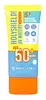
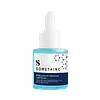
Somethinc Holyshield! UV Watery Sunscreen Gel SPF 50+ Versus Somethinc HYALuronic9+ Advanced + B5 Serum

What's inside
What's inside
 Key Ingredients
Benefits
Concerns
No concerns
Ingredients Side-by-side
Water
Skin ConditioningEthylhexyl Methoxycinnamate
UV Absorber


Butylene Glycol
Humectant

Butyl Methoxydibenzoylmethane
UV Absorber
Octocrylene
UV Absorber
Ammonium Polyacryloyldimethyl Taurate
Emulsion StabilisingPolymethyl Methacrylate

Phenoxyethanol
Preservative
Propylene Glycol
Humectant
Aroma

Triethanolamine
BufferingTrimethoxybenzylidene Pentanedione
Antioxidant
Polyglyceryl-4 Caprate
EmulsifyingLecithin
Emollient
Disodium EDTA
Ethylhexylglycerin
Skin ConditioningCaesalpinia Spinosa Fruit Pod Extract
Helianthus Annuus Sprout Extract
Skin ConditioningSodium Benzoate
Masking
Water, Ethylhexyl Methoxycinnamate, Butylene Glycol, Butyl Methoxydibenzoylmethane, Octocrylene, Ammonium Polyacryloyldimethyl Taurate, Polymethyl Methacrylate, Phenoxyethanol, Propylene Glycol, Aroma, Triethanolamine, Trimethoxybenzylidene Pentanedione, Polyglyceryl-4 Caprate, Lecithin, Disodium EDTA, Ethylhexylglycerin, Caesalpinia Spinosa Fruit Pod Extract, Helianthus Annuus Sprout Extract, Sodium Benzoate
Onsen-Sui
Water
Skin ConditioningButylene Glycol
Humectant
Dipropylene Glycol
HumectantGlycereth-26
Humectant
Methyl Gluceth-20
Humectant
Pentylene Glycol
Skin Conditioning
Panthenol
Skin Conditioning


Chondrus Crispus Extract
Skin Conditioning
Glucose
Humectant
Chlorella Vulgaris Extract
Skin ConditioningC12-14 Pareth-12
EmulsifyingSaccharum Officinarum Extract
MoisturisingFructose
Humectant
Fructooligosaccharides
Humectant
Caprylyl Glycol
Emollient
Carbomer
Emulsion StabilisingAmmonium Acryloyldimethyltaurate/Vp Copolymer
Tromethamine
BufferingSodium Hyaluronate
Humectant

Adenosine
Skin Conditioning
Ethylhexylglycerin
Skin ConditioningHyaluronic Acid
Humectant
Sodium Phytate
Plumeria Alba Flower Oil

Hydrolyzed Hyaluronic Acid
Humectant
Hydroxypropyltrimonium Hyaluronate
Hydrolyzed Sodium Hyaluronate
Skin Conditioning
Sodium Acetylated Hyaluronate
Humectant
PEG-9 Diglycidyl Ether/Sodium Hyaluronate Crosspolymer
Skin ConditioningPotassium Hyaluronate
Skin ConditioningPropanediol
Solvent
Tocopherol
Antioxidant


Dimethylsilanol Hyaluronate
Humectant
Sodium Benzoate
Masking
1,2-Hexanediol
Skin Conditioning
Onsen-Sui, Water, Butylene Glycol, Dipropylene Glycol, Glycereth-26, Methyl Gluceth-20, Pentylene Glycol, Panthenol, Chondrus Crispus Extract, Glucose, Chlorella Vulgaris Extract, C12-14 Pareth-12, Saccharum Officinarum Extract, Fructose, Fructooligosaccharides, Caprylyl Glycol, Carbomer, Ammonium Acryloyldimethyltaurate/Vp Copolymer, Tromethamine, Sodium Hyaluronate, Adenosine, Ethylhexylglycerin, Hyaluronic Acid, Sodium Phytate, Plumeria Alba Flower Oil, Hydrolyzed Hyaluronic Acid, Hydroxypropyltrimonium Hyaluronate, Hydrolyzed Sodium Hyaluronate, Sodium Acetylated Hyaluronate, PEG-9 Diglycidyl Ether/Sodium Hyaluronate Crosspolymer, Potassium Hyaluronate, Propanediol, Tocopherol, Dimethylsilanol Hyaluronate, Sodium Benzoate, 1,2-Hexanediol
Reviews
Ingredients Explained
These ingredients are found in both products.
Ingredients higher up in an ingredient list are typically present in a larger amount.
Butylene Glycol (or BG) is used within cosmetic products for a few different reasons:
Overall, Butylene Glycol is a safe and well-rounded ingredient that works well with other ingredients.
Though this ingredient works well with most skin types, some people with sensitive skin may experience a reaction such as allergic rashes, closed comedones, or itchiness.
Learn more about Butylene GlycolEthylhexylglycerin is created from glycerin. It is a multitasker ingredient that:
The CIR Expert Panel found minimal skin absorption or sensitization of any kind in a safety assessment. Though this ingredient is considered well-tolerated, a small number of cases of allergic dermatitis have been published since 2002. Just be sure to patch test if you are unsure.
Industry-reported use ranges from 8% in rinse-off products and 2% in leave-on formulations.
Learn more about EthylhexylglycerinSodium Benzoate is a preservative. It's used in both cosmetic and food products to inhibit the growth of mold and bacteria. It is typically produced synthetically.
Both the US FDA and EU Health Committee have approved the use of sodium benzoate. In the US, levels of 0.1% (of the total product) are allowed.
Sodium benzoate works as a preservative by inhibiting the growth of bacteria inside of cells. It prevents the cell from fermenting a type of sugar using an enzyme called phosphofructokinase.
It is the salt of benzoic acid. Foods containing sodium benzoate include soda, salad dressings, condiments, fruit juices, wines, and snack foods.
Studies for using ascorbic acid and sodium benzoate in cosmetics are lacking, especially in skincare routines with multiple steps.
We always recommend speaking with a professional, such as a dermatologist, if you have any concerns.
Learn more about Sodium BenzoateWater. It's the most common cosmetic ingredient of all. You'll usually see it at the top of ingredient lists, meaning that it makes up the largest part of the product.
So why is it so popular? Water most often acts as a solvent - this means that it helps dissolve other ingredients into the formulation.
You'll also recognize water as that liquid we all need to stay alive. If you see this, drink a glass of water. Remember to stay hydrated!
Learn more about Water
