This mild cream cleanser is mild enough to cleanse without leaving skin feeling tight or stripped.
This mild cream cleanser is mild enough to cleanse without leaving skin feeling tight or stripped.

What's inside
What's inside
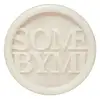 Key Ingredients
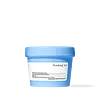
No key ingredients
Benefits
Concerns
Ingredients Side-by-side
Sodium Cocoyl Isethionate
Cleansing
Zea Mays Starch
Absorbent
Water
Skin ConditioningGlycerin
Humectant


Coconut Acid
Cleansing

Olea Europaea Fruit Oil
Masking



Decyl Glucoside
Cleansing
Sodium Isethionate
CleansingRicinus Communis Seed Oil
Masking
Camellia Japonica Seed Oil
Emollient
Cocos Nucifera Oil
Masking
Xanthan Gum
EmulsifyingCitric Acid
Buffering

Butyrospermum Parkii Butter
Skin Conditioning
Butylene Glycol
Humectant
Pentylene Glycol
Skin Conditioning
1,2-Hexanediol
Skin Conditioning
Lactobacillus/Soymilk Ferment Filtrate
Skin ConditioningDextrin
AbsorbentTheobroma Cacao Extract
Skin ConditioningLactobacillus/Soybean Ferment Extract
Skin ConditioningHydrolyzed Soy Protein Extract
Skin ConditioningCaprylyl Glycol
Emollient
Sodium Cocoyl Isethionate, Zea Mays Starch, Water, Glycerin, Coconut Acid, Olea Europaea Fruit Oil, Decyl Glucoside, Sodium Isethionate, Ricinus Communis Seed Oil, Camellia Japonica Seed Oil, Cocos Nucifera Oil, Xanthan Gum, Citric Acid, Butyrospermum Parkii Butter, Butylene Glycol, Pentylene Glycol, 1,2-Hexanediol, Lactobacillus/Soymilk Ferment Filtrate, Dextrin, Theobroma Cacao Extract, Lactobacillus/Soybean Ferment Extract, Hydrolyzed Soy Protein Extract, Caprylyl Glycol
Glycerin
Humectant
Water
Skin ConditioningSodium Cocoyl Isethionate
Cleansing
Oryza Sativa Powder
Coconut Acid
Cleansing
Sodium Ascorbyl Glucoside
Humectant

Sodium Methyl Cocoyl Taurate
Cleansing
Zea Mays Starch
Absorbent
Hydroxyacetophenone
Antioxidant
Sodium Cocoyl Apple Amino Acids
Foam Boosting
Xanthan Gum
EmulsifyingCocamidopropyl Betaine
Cleansing
Hexylene Glycol
EmulsifyingEthylhexylglycerin
Skin ConditioningDisodium EDTA
ChelatingOlea Europaea Fruit Oil
Masking
Tetrasodium Glutamate Diacetate
ChelatingCitric Acid
Buffering
Ceramide NP
Skin Conditioning


Butylene Glycol
Humectant
Oryza Sativa Bran Extract
Skin Conditioning
Butyrospermum Parkii Butter Extract
Skin Conditioning
Hamamelis Virginiana Extract
Antiseborrhoeic
1,2-Hexanediol
Skin Conditioning
Centella Asiatica Extract
Cleansing
Vigna Radiata Seed Extract
Skin ConditioningGlycerin, Water, Sodium Cocoyl Isethionate, Oryza Sativa Powder, Coconut Acid, Sodium Ascorbyl Glucoside, Sodium Methyl Cocoyl Taurate, Zea Mays Starch, Hydroxyacetophenone, Sodium Cocoyl Apple Amino Acids, Xanthan Gum, Cocamidopropyl Betaine, Hexylene Glycol, Ethylhexylglycerin, Disodium EDTA, Olea Europaea Fruit Oil, Tetrasodium Glutamate Diacetate, Citric Acid, Ceramide NP, Butylene Glycol, Oryza Sativa Bran Extract, Butyrospermum Parkii Butter Extract, Hamamelis Virginiana Extract, 1,2-Hexanediol, Centella Asiatica Extract, Vigna Radiata Seed Extract
Ingredients Explained
These ingredients are found in both products.
Ingredients higher up in an ingredient list are typically present in a larger amount.
1,2-Hexanediol is a synthetic liquid and another multi-functional powerhouse.
It is a:
- Humectant, drawing moisture into the skin
- Emollient, helping to soften skin
- Solvent, dispersing and stabilizing formulas
- Preservative booster, enhancing the antimicrobial activity of other preservatives
Butylene Glycol (or BG) is used within cosmetic products for a few different reasons:
Overall, Butylene Glycol is a safe and well-rounded ingredient that works well with other ingredients.
Though this ingredient works well with most skin types, some people with sensitive skin may experience a reaction such as allergic rashes, closed comedones, or itchiness.
Learn more about Butylene GlycolCitric Acid is an alpha hydroxy acid (AHA) naturally found in citrus fruits like oranges, lemons, and limes.
Like other AHAs, citric acid can exfoliate skin by breaking down the bonds that hold dead skin cells together. This helps reveal smoother and brighter skin underneath.
However, this exfoliating effect only happens at high concentrations (20%) which can be hard to find in cosmetic products.
Due to this, citric acid is usually included in small amounts as a pH adjuster. This helps keep products slightly more acidic and compatible with skin's natural pH.
In skincare formulas, citric acid can:
While it can provide some skin benefits, research shows lactic acid and glycolic acid are generally more effective and less irritating exfoliants.
Most citric acid used in skincare today is made by fermenting sugars (usually from molasses). This synthetic version is identical to the natural citrus form but easier to stabilize and use in formulations.
Rosacea skin has a lower threshold for acids generally, with 62.5% of rosacea subjects in one study reacting to lactic acid in a sting test. This is why we mark citric acid as a potential rosacea trigger.
However, this ingredient shows up as a pH adjuster or chelator at roughly 0.1-1% in many products. These low levels are unlikely to be an issue for rosacea skin and becomes a potential trigger at exfoliating concentrations (20%). Because everybody's skin is unique, we recommend a patch test if you are unsure.
Learn more about Citric AcidCoconut acid is a mixture of fatty acids obtains by hydrolyzing coconut oil and then distilling the fatty acid portion. It works as a cleansing surfactant, emollient, and emulsifier depending on the formulation.
This ingredient is not a single compound but reflects the fatty acid profile of coconut oil itself, which is about 90% saturated.
The dominant fatty acid is lauric acid (44-54%) and then myristic acid (13-19%). There are also small amounts of caprylic, capric, palmitic, oleic, and linoleic acids.
Human testing from CIR has shown no indication this ingredient to be a primary irritant, sensitizer, or phototoxic compound. It's COSMOS-approved for natural and organic products.
Due to the fatty acid content, this ingredient may not be fungal acne safe. Research has confirmed Malassezia can use lauric acid as a food source.
Learn more about Coconut AcidGlycerin (or glycerol) is a compound naturally found in your skin. It's a powerhouse humectant that pulls water into the stratum corneum.
Topically, glycerin does several things at once:
Your skin makes glycerin on its own (mostly from sebaceous oil breakdown) and shuttles it to your outermost layer of skin, or your epidermis, via aquaporin-3.
Aquaporin-3 is a transporter that is essential for normal skin hydration, elasticity, and repair. Interestingly, mice lacking in AQP3 have dry and less elastic skin that can be fully corrected with glycerin.
This ingredient is non-irritating, plays well with almost every ingredient, and works across all skin types. Typical use is anywhere between 3-10% but can go up to 79% in some leave-on products.
Just know very high concentrations (>40%) can feel tacky in low humidity.
Glycerin is the name for this ingredient in American English. British English uses Glycerol/Glycerine.
Learn more about GlycerinThis ingredient is also known as olive oil. It has been used in skincare for centuries and science largely backs up its reputation as a nourishing emollient.
The main components of olive oil are oleic acid (55-83%), linoleic acid (3.5-20%), and palmitic acid (7-20%). Oleic acid promotes skin regeneration and helps regulate inflammatory responses.
Squalene is also naturally present in olive oil and exhibits moisturizing and antioxidant properties.
The polyphenols in olive oil also show anti-aging promise; one clinical study found a measurable improvement in skin appearance after 30 days of topical serum use.
Just be aware that applying olive oil directly to skin can weaken the barrier and cause redness. One study with volunteers found even people without sensitive skin experienced a significant reduction in stratum corneum integrity and induced mild erythema.
It's best to use this ingredient as part of a carefully crafted formula (instead of putting it on skin directly from the bottle).
Because it has a 0-2 on the comedogenic scale, it is low risk for acne-prone skin. Just remember the overall formulation of a product matters more than a few ingredients with comedogenic ratings.
This ingredient may not be fungal acne safe because of the oleic and palmitic acid content. These fall within the C11-24 fatty acid range that the Malassezia yeast can metabolize to grow.
Overall, olive oil is a well-studied and nourishing skincare ingredient.
Learn more about Olea Europaea Fruit OilSodium cocoyl isethionate is a natural ingredient from coconut oil. It is an ultra gentle cleanser that gives a nice foam without drying the skin or impacting the skin barrier.
The amount of foam created depends on the amount of sodium cocoyl isethionate used in the product.
This ingredient also helps improve the spreadability of a product.
This ingredient hasn’t been shown in studies to feed fungal acne yeast.
Learn more about Sodium Cocoyl IsethionateWater. It's the most common cosmetic ingredient of all. You'll usually see it at the top of ingredient lists, meaning that it makes up the largest part of the product.
So why is it so popular? Water most often acts as a solvent - this means that it helps dissolve other ingredients into the formulation.
You'll also recognize water as that liquid we all need to stay alive. If you see this, drink a glass of water. Remember to stay hydrated!
Learn more about WaterXanthan gum is used as a stabilizer and thickener within cosmetic products. It helps give products a sticky, thick feeling - preventing them from being too runny.
On the technical side of things, xanthan gum is a polysaccharide - a combination consisting of multiple sugar molecules bonded together.
Xanthan gum is a pretty common and great ingredient. It is a natural, non-toxic, non-irritating ingredient that is also commonly used in food products.
Learn more about Xanthan GumZea Mays Starch is starch made from corn. You might know this as cornstarch . It is used to thicken a product. It can replace talc as an absorbent.
The pH of cornstarch is 5.92.
Cornstarch is a common food ingredient used to thicken soups or to make corn syrup.
Learn more about Zea Mays Starch

