
What's inside
What's inside
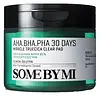 Key Ingredients
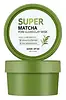
Benefits
Concerns
Ingredients Side-by-side
Salix Alba Bark Water 85%
Astringent
Butylene Glycol
Humectant

1,2-Hexanediol
Skin Conditioning
Glycerin
Humectant
Sodium Hyaluronate
Humectant


Betaine Salicylate 0.5%
Antimicrobial




Artemisia Princeps Leaf Extract
Skin ConditioningCentella Asiatica Extract
Cleansing
Melaleuca Alternifolia Leaf Water
AntimicrobialChamaecyparis Obtusa Leaf Extract
Skin ConditioningOpuntia Ficus-Indica Extract
Skin Conditioning
Houttuynia Cordata Extract
Skin Conditioning
Melia Azadirachta Leaf Extract
Skin ConditioningMelia Azadirachta Flower Extract
Skin ConditioningMadecassic Acid
Skin Conditioning
Asiaticoside
Antioxidant
Asiatic Acid
Skin Conditioning
Madecassoside
Antioxidant
Allantoin
Skin Conditioning
Panthenol
Skin Conditioning
Arginine
Masking
PEG-60 Hydrogenated Castor Oil
Emulsifying

Citric Acid
Buffering

Lactobionic Acid
Buffering
Sodium Hydroxide
BufferingWater
Skin ConditioningBenzyl Glycol
SolventEthylhexylglycerin
Skin ConditioningRaspberry Ketone
Masking
Mentha Piperita Oil
Masking



Salix Alba Bark Water 85%, Butylene Glycol, 1,2-Hexanediol, Glycerin, Sodium Hyaluronate, Betaine Salicylate 0.5%, Artemisia Princeps Leaf Extract, Centella Asiatica Extract, Melaleuca Alternifolia Leaf Water, Chamaecyparis Obtusa Leaf Extract, Opuntia Ficus-Indica Extract, Houttuynia Cordata Extract, Melia Azadirachta Leaf Extract, Melia Azadirachta Flower Extract, Madecassic Acid, Asiaticoside, Asiatic Acid, Madecassoside, Allantoin, Panthenol, Arginine, PEG-60 Hydrogenated Castor Oil, Citric Acid, Lactobionic Acid, Sodium Hydroxide, Water, Benzyl Glycol, Ethylhexylglycerin, Raspberry Ketone, Mentha Piperita Oil
Water
Skin ConditioningKaolin
Abrasive
Glycerin
Humectant
Camellia Sinensis Leaf Water
Masking
CI 77891
Cosmetic ColorantBentonite
Absorbent
Magnesium Aluminum Silicate
Absorbent
Chamaecyparis Obtusa Leaf Extract
Skin ConditioningSilica
Abrasive
Manicouagan Clay
AbsorbentCamellia Sinensis Leaf
Perfuming
Camellia Sinensis Leaf Powder
Houttuynia Cordata Powder
Skin ConditioningCentella Asiatica Extract
Cleansing
Camellia Sinensis Leaf Extract
Antimicrobial
Salix Alba Bark Extract
Astringent
Rosa Rugosa Leaf Extract
HumectantMelissa Officinalis Leaf Extract
Skin ConditioningMelaleuca Alternifolia Leaf Water
AntimicrobialAllantoin
Skin Conditioning
Madecassic Acid
Skin Conditioning
Asiaticoside
Antioxidant
Asiatic Acid
Skin Conditioning
Capryloyl Salicylic Acid
Exfoliating
Butylene Glycol
Humectant
Caprylyl Glycol
Emollient
Xanthan Gum
EmulsifyingPolyvinyl Alcohol
1,2-Hexanediol
Skin Conditioning
Benzyl Glycol
SolventEthylhexylglycerin
Skin ConditioningRaspberry Ketone
Masking
Parfum
Masking

Water, Kaolin, Glycerin, Camellia Sinensis Leaf Water, CI 77891, Bentonite, Magnesium Aluminum Silicate, Chamaecyparis Obtusa Leaf Extract, Silica, Manicouagan Clay, Camellia Sinensis Leaf, Camellia Sinensis Leaf Powder, Houttuynia Cordata Powder, Centella Asiatica Extract, Camellia Sinensis Leaf Extract, Salix Alba Bark Extract, Rosa Rugosa Leaf Extract, Melissa Officinalis Leaf Extract, Melaleuca Alternifolia Leaf Water, Allantoin, Madecassic Acid, Asiaticoside, Asiatic Acid, Capryloyl Salicylic Acid, Butylene Glycol, Caprylyl Glycol, Xanthan Gum, Polyvinyl Alcohol, 1,2-Hexanediol, Benzyl Glycol, Ethylhexylglycerin, Raspberry Ketone, Parfum
Reviews
Ingredients Explained
These ingredients are found in both products.
Ingredients higher up in an ingredient list are typically present in a larger amount.
1,2-Hexanediol is a synthetic liquid and another multi-functional powerhouse.
It is a:
- Humectant, drawing moisture into the skin
- Emollient, helping to soften skin
- Solvent, dispersing and stabilizing formulas
- Preservative booster, enhancing the antimicrobial activity of other preservatives
Allantoin is a soothing ingredient known for its protective and moisturizing properties; it's basically a quiet workhorse ingredient you can find in a huge range of cosmetics.
Though it can be derived from the comfrey plant, allantoin is produced synthetically for cosmetic products to ensure purity.
Research shows it can encourage your skin cells to turn over and renew by stimulating keratinocyte and fibroblast proliferation.
It also has mild keratolytic properties to help loosen and shed dead skin cells without being harsh.
Studies also suggest allantoin can help calm inflammation by dialing down some of the chemical signals your skin sends out when it is irritated.
This ingredient is typically used in the 0.1-0.5% range, and the FDA recognizes it as a skin protectant in OTC products up to 2%.
Overall, allantoin is a wonderful addition to most routines; it is stable across a wide pH range (~4-8), works well with other ingredients, and is considered non-sensitizing/non-irritating.
Fun fact: Allantoin is naturally occurring in comfrey root, beets, chamomile, and wheat sprouts. Our bodies even produce it as a byproduct of uric acid metabolism.
Learn more about AllantoinAsiatic Acid is a major component of Centella Asiatica Extract. It has wound-healing, anti-inflammatory, and antioxidant properties.
Studies show Asiatic Acid is able to block the pathway for skin inflammation receptors, helping to soothe skin.
As an antioxidant, asiatic acid helps protect our skin against damaging environmental factors.
Learn more about Asiatic AcidAsiaticoside comes from the super popular skin-soothing ingredient, Centella asiatica. It's the reason centella-based products have a strong reputation for repairing and calming skin, along with its sibling compound Madecassoside.
Research from 2016-2025 supports its role in:
You'll usually find this in concentrations between 0.2-5%.
Learn more about AsiaticosideWe don't have a description for Benzyl Glycol yet.
Butylene Glycol (or BG) is used within cosmetic products for a few different reasons:
Overall, Butylene Glycol is a safe and well-rounded ingredient that works well with other ingredients.
Though this ingredient works well with most skin types, some people with sensitive skin may experience a reaction such as allergic rashes, closed comedones, or itchiness.
Learn more about Butylene GlycolCentella Asiatica Extract (Centella) is derived from an herb native to Southeast Asia. It is famous for its anti-inflammatory and soothing properties.
Centella is rich in antioxidants and amino acids, such as Madecassic Acid and Asiaticoside.
Studies show the compounds in centella help with:
The combination of all these properties makes centella effective at soothing, hydrating, and protecting the skin.
Other great components of centella include Vitamin A, vitamin C, several B vitamins, and Asiatic Acid.
Fun fact: Centella has been used as a medicine and in food for many centuries. As a medicine, it is used to treat burns, scratches, and wounds.
Learn more about Centella Asiatica ExtractThis ingredient comes from the leaves of the Japanese cypress tree that is also called Hinoki. The leaves are rich in flavonoids with quercitrin being one of its key actives.
A 2023 study tested a 70% ethanol extract on UVA-stressed, collagen-producing skin cells. Across multiple antioxidant tests, this extract protected skin from free radicals at meaningful rates.
And the coolest part? At 1000 µg/mL, it blocked two enzymes (collagenase and elastase) almost as well as vitamin C did at the same dose. Collagenase and elastase are the enzymes that break down your skin's collagen and elastin over time.
The same study found this ingredient lowered skin-breakdown enzymes and inflammation signals while bumping up collagen production in UV-stressed cells.
A 2024 follow-up tested a fermented version (fermented with mushroom) and it calmed down several key inflammation markers in irritated immune cells. So besides anti-aging, this ingredient can also help soothe skin.
Most of the data right now is still at the cell-culture stage rather than from human clinical trials. However, there's no harm in adding this ingredient to your routine.
Just be sure to patch test if you have a history of sensitivity toward botanical extracts.
Learn more about Chamaecyparis Obtusa Leaf ExtractEthylhexylglycerin is created from glycerin. It is a multitasker ingredient that:
The CIR Expert Panel found minimal skin absorption or sensitization of any kind in a safety assessment. Though this ingredient is considered well-tolerated, a small number of cases of allergic dermatitis have been published since 2002. Just be sure to patch test if you are unsure.
Industry-reported use ranges from 8% in rinse-off products and 2% in leave-on formulations.
Learn more about EthylhexylglycerinGlycerin (or glycerol) is a compound naturally found in your skin. It's a powerhouse humectant that pulls water into the stratum corneum.
Topically, glycerin does several things at once:
Your skin makes glycerin on its own (mostly from sebaceous oil breakdown) and shuttles it to your outermost layer of skin, or your epidermis, via aquaporin-3.
Aquaporin-3 is a transporter that is essential for normal skin hydration, elasticity, and repair. Interestingly, mice lacking in AQP3 have dry and less elastic skin that can be fully corrected with glycerin.
This ingredient is non-irritating, plays well with almost every ingredient, and works across all skin types. Typical use is anywhere between 3-10% but can go up to 79% in some leave-on products.
Just know very high concentrations (>40%) can feel tacky in low humidity.
Glycerin is the name for this ingredient in American English. British English uses Glycerol/Glycerine.
Learn more about GlycerinMadecassic Acid is a major component of Centella Asiatica Extract. It has anti-inflammatory and antioxidant properties.
It is a triterpenoid, meaning it naturally acts as an antioxidant. Antioxidants protect your skin against damage from environmental factors such as pollution and UV.
Studies show Madecassic Acid helps soothe the skin due to its ability to block inflammation pathways.
Learn more about Madecassic AcidThis ingredient is created by distilling parts of the tea tree plant. The bark and leaves of the tea tree plant are rich in Terpinen, an antioxidant, antibacterial, and anti-inflammatory ingredient.
Tea tree may cause sensitivity and irritation for some people due to its linalool and limonene content.
Learn more about tea tree benefits here.
Learn more about Melaleuca Alternifolia Leaf WaterRaspberry Ketone is a fragrance.
Water. It's the most common cosmetic ingredient of all. You'll usually see it at the top of ingredient lists, meaning that it makes up the largest part of the product.
So why is it so popular? Water most often acts as a solvent - this means that it helps dissolve other ingredients into the formulation.
You'll also recognize water as that liquid we all need to stay alive. If you see this, drink a glass of water. Remember to stay hydrated!
Learn more about Water
