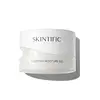
This calming moisturizer is formulated around Squalane and Bisabolol to calm redness and strengthen the skin barrier.
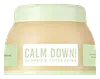
This calming moisturizer is formulated around Panthenol and Madecassoside to calm redness and strengthen the skin barrier.


What's inside
What's inside
 Key Ingredients
Benefits
Concerns
Ingredients Side-by-side
Water
Skin ConditioningButylene Glycol
Humectant

Diethoxyethyl Succinate
SolventSqualane
Emollient
Cetearyl Olivate


Sorbitan Olivate
Emulsifying
Dimethicone
Emollient

Ammonium Acryloyldimethyltaurate/Vp Copolymer
Hydroxyacetophenone
Antioxidant
Hexanediol
SolventCetearyl Alcohol
Emollient




Coco-Caprylate/Caprate
Emollient
Cyanocobalamin
Skin ConditioningLactobacillus/Soymilk Ferment Filtrate
Skin ConditioningPentylene Glycol
Skin Conditioning
Acrylates/C10-30 Alkyl Acrylate Crosspolymer
Emulsion StabilisingBisabolol
Antioxidant

Portulaca Oleracea Extract
Skin Conditioning
Ceramide Ns
Skin Conditioning
Sodium Hyaluronate
Humectant
Hydroxyphenyl Propamidobenzoic Acid
Skin ConditioningCitric Acid
Buffering

Centella Asiatica Extract
Cleansing
Asiaticoside
Antioxidant
Water, Butylene Glycol, Diethoxyethyl Succinate, Squalane, Cetearyl Olivate, Sorbitan Olivate, Dimethicone, Ammonium Acryloyldimethyltaurate/Vp Copolymer, Hydroxyacetophenone, Hexanediol, Cetearyl Alcohol, Coco-Caprylate/Caprate, Cyanocobalamin, Lactobacillus/Soymilk Ferment Filtrate, Pentylene Glycol, Acrylates/C10-30 Alkyl Acrylate Crosspolymer, Bisabolol, Portulaca Oleracea Extract, Ceramide Ns, Sodium Hyaluronate, Hydroxyphenyl Propamidobenzoic Acid, Citric Acid, Centella Asiatica Extract, Asiaticoside
Water
Skin ConditioningGlycerin
Humectant
Dicaprylyl Ether
Emollient
Butylene Glycol
Humectant
Hydrogenated Ethylhexyl Olivate
EmollientPentylene Glycol
Skin Conditioning
1,2-Hexanediol
Skin Conditioning
Panthenol
Skin Conditioning
Hydrogenated Polydecene
EmollientSaccharide Isomerate
Humectant
Hydroxyethyl Acrylate/Sodium Acryloyldimethyl Taurate Copolymer
Emulsion StabilisingAcrylates/C10-30 Alkyl Acrylate Crosspolymer
Emulsion StabilisingPolymethylsilsesquioxane
Hydrogenated Olive Oil Unsaponifiables
Emollient
Boron Nitride
Absorbent
Madecassoside
Antioxidant
Aloe Barbadensis Leaf Extract
Emollient
Allantoin
Skin Conditioning
Artemisia Vulgaris Extract
Skin Conditioning
Astrocaryum Murumuru Seed Butter
Emollient
Glyceryl Acrylate/Acrylic Acid Copolymer
HumectantTromethamine
BufferingEthylhexylglycerin
Skin ConditioningXanthan Gum
EmulsifyingDipotassium Glycyrrhizate
Humectant
Sodium Phytate
ChelatingCeramide NP
Skin Conditioning
Sodium Citrate
BufferingCitric Acid
Buffering
Sea Water
HumectantPropanediol
Solvent
Tocopherol
Antioxidant

Emiliania Huxleyi Extract
Skin ConditioningWater, Glycerin, Dicaprylyl Ether, Butylene Glycol, Hydrogenated Ethylhexyl Olivate, Pentylene Glycol, 1,2-Hexanediol, Panthenol, Hydrogenated Polydecene, Saccharide Isomerate, Hydroxyethyl Acrylate/Sodium Acryloyldimethyl Taurate Copolymer, Acrylates/C10-30 Alkyl Acrylate Crosspolymer, Polymethylsilsesquioxane, Hydrogenated Olive Oil Unsaponifiables, Boron Nitride, Madecassoside, Aloe Barbadensis Leaf Extract, Allantoin, Artemisia Vulgaris Extract, Astrocaryum Murumuru Seed Butter, Glyceryl Acrylate/Acrylic Acid Copolymer, Tromethamine, Ethylhexylglycerin, Xanthan Gum, Dipotassium Glycyrrhizate, Sodium Phytate, Ceramide NP, Sodium Citrate, Citric Acid, Sea Water, Propanediol, Tocopherol, Emiliania Huxleyi Extract
Reviews
Ingredients Explained
These ingredients are found in both products.
Ingredients higher up in an ingredient list are typically present in a larger amount.
Acrylates/C10-30 Alkyl Acrylate Crosspolymer is a synthetic polymer. It is used to thicken, emulsify, and improve the texture of products.
As an emulsifier, it helps stabilize oil-in-water emulsions to give products an elegant feel when applied.
It can also form a thin protective film on skin. One study found that a formula using this polymer helped slow down how quickly other ingredients (like DEET) were absorbed through skin.
A 2024 study of over 1,300 patients confirmed that sensitization to this ingredient is rare. It is also non-mutagenic and has a clean track record.
Learn more about Acrylates/C10-30 Alkyl Acrylate CrosspolymerButylene Glycol (or BG) is used within cosmetic products for a few different reasons:
Overall, Butylene Glycol is a safe and well-rounded ingredient that works well with other ingredients.
Though this ingredient works well with most skin types, some people with sensitive skin may experience a reaction such as allergic rashes, closed comedones, or itchiness.
Learn more about Butylene GlycolCitric Acid is an alpha hydroxy acid (AHA) naturally found in citrus fruits like oranges, lemons, and limes.
Like other AHAs, citric acid can exfoliate skin by breaking down the bonds that hold dead skin cells together. This helps reveal smoother and brighter skin underneath.
However, this exfoliating effect only happens at high concentrations (20%) which can be hard to find in cosmetic products.
Due to this, citric acid is usually included in small amounts as a pH adjuster. This helps keep products slightly more acidic and compatible with skin's natural pH.
In skincare formulas, citric acid can:
While it can provide some skin benefits, research shows lactic acid and glycolic acid are generally more effective and less irritating exfoliants.
Most citric acid used in skincare today is made by fermenting sugars (usually from molasses). This synthetic version is identical to the natural citrus form but easier to stabilize and use in formulations.
Rosacea skin has a lower threshold for acids generally, with 62.5% of rosacea subjects in one study reacting to lactic acid in a sting test. This is why we mark citric acid as a potential rosacea trigger.
However, this ingredient shows up as a pH adjuster or chelator at roughly 0.1-1% in many products. These low levels are unlikely to be an issue for rosacea skin and becomes a potential trigger at exfoliating concentrations (20%). Because everybody's skin is unique, we recommend a patch test if you are unsure.
Learn more about Citric AcidPentylene Glycol (1,2-pentanediol) is a multitasking little diol with three main roles in a formula:
Research on alkanediols (the family pentylene glycol belongs to) show they work by disrupting microbial cell membranes. This disruption helps the primary preservative system in a product work more effectively at lower doses.
On the safety side, the Cosmetic Ingredient Review Expert Panel has concluded this ingredient to be safe as used in current cosmetic practices + concentrations.
Typical use levels in a formula run about 1-5%.
Learn more about Pentylene GlycolWater. It's the most common cosmetic ingredient of all. You'll usually see it at the top of ingredient lists, meaning that it makes up the largest part of the product.
So why is it so popular? Water most often acts as a solvent - this means that it helps dissolve other ingredients into the formulation.
You'll also recognize water as that liquid we all need to stay alive. If you see this, drink a glass of water. Remember to stay hydrated!
Learn more about Water

