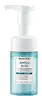
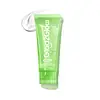
Skintific Amino Acid Ultra Gentle Cleansing Mousse Versus Glad2Glow Centella Salicylic Acid Acne Gel Cleanser
This salicylic acid gel cleanser is formulated around Salicylic Acid to clear breakouts and unclog pores.


What's inside
What's inside
 Key Ingredients
Benefits
Concerns
Ingredients Side-by-side
Water
Skin ConditioningSodium Cocoyl Glycinate
Cleansing
Sodium Taurine Cocoyl Methyltaurate
Cleansing
Potassium Olivate
EmulsifyingSorbitol
Humectant

Ceramide NP
Skin Conditioning



Ceramide EOP
Skin Conditioning
Ceramide AP
Skin Conditioning
Ceramide As
Skin Conditioning
Ceramide Ns
Skin Conditioning
Centella Asiatica Extract
Cleansing

Sodium Hyaluronate
Humectant
Tuber Magnatum Extract
Skin ConditioningPhosphatidylcholine
EmulsifyingHydrogenated Lecithin
Emulsifying
Ascorbyl Palmitate
Antioxidant




Tocopherol
Antioxidant

Lactobacillus/Soymilk Ferment Filtrate
Skin ConditioningSaccharomyces Ferment Lysate Filtrate
Skin Conditioning
Bifida Ferment Filtrate
Skin Conditioning
Bifida Ferment Lysate
Skin Conditioning
Lysine
Skin ConditioningHistidine
Humectant
Arginine
Masking
Aspartic Acid
Masking
Threonine
Serine
Masking
Glutamic Acid
Humectant
Proline
Skin Conditioning
Glycine
Buffering
Alanine
Masking
Valine
MaskingIsoleucine
Skin ConditioningLeucine
Skin ConditioningTyrosine
MaskingPhenylalanine
Masking
C12-13 Alkyl Lactate
EmollientCitric Acid
Buffering
Disodium EDTA
ChelatingMaltooligosyl Glucoside
Skin ConditioningHydrogenated Starch Hydrolysate
HumectantSodium PCA
Humectant
Glycerin
Humectant
Butylene Glycol
Humectant
Water, Sodium Cocoyl Glycinate, Sodium Taurine Cocoyl Methyltaurate, Potassium Olivate, Sorbitol, Ceramide NP, Ceramide EOP, Ceramide AP, Ceramide As, Ceramide Ns, Centella Asiatica Extract, Sodium Hyaluronate, Tuber Magnatum Extract, Phosphatidylcholine, Hydrogenated Lecithin, Ascorbyl Palmitate, Tocopherol, Lactobacillus/Soymilk Ferment Filtrate, Saccharomyces Ferment Lysate Filtrate, Bifida Ferment Filtrate, Bifida Ferment Lysate, Lysine, Histidine, Arginine, Aspartic Acid, Threonine, Serine, Glutamic Acid, Proline, Glycine, Alanine, Valine, Isoleucine, Leucine, Tyrosine, Phenylalanine, C12-13 Alkyl Lactate, Citric Acid, Disodium EDTA, Maltooligosyl Glucoside, Hydrogenated Starch Hydrolysate, Sodium PCA, Glycerin, Butylene Glycol
Water
Skin ConditioningPotassium Cocoyl Glycinate
Surfactant
Hydrogenated Starch Hydrolysate
HumectantAcrylates/Steareth-20 Methacrylate Crosspolymer
Centella Asiatica Extract
Cleansing
Potassium Cocoate
Emulsifying

Salicylic Acid
Masking





Sodium Lauroamphoacetate
CleansingLauryl Hydroxysultaine
CleansingErythritol
Humectant
Caprylyl Glycol
Emollient
Potassium Hydroxide
BufferingSodium Chloride
MaskingDisodium EDTA
ChelatingGlycosyl Trehalose
Emulsion StabilisingHydroxypropyl Cyclodextrin
MaskingAroma


Phenoxyethanol
Preservative
Water, Potassium Cocoyl Glycinate, Hydrogenated Starch Hydrolysate, Acrylates/Steareth-20 Methacrylate Crosspolymer, Centella Asiatica Extract, Potassium Cocoate, Salicylic Acid, Sodium Lauroamphoacetate, Lauryl Hydroxysultaine, Erythritol, Caprylyl Glycol, Potassium Hydroxide, Sodium Chloride, Disodium EDTA, Glycosyl Trehalose, Hydroxypropyl Cyclodextrin, Aroma, Phenoxyethanol
Reviews
Ingredients Explained
These ingredients are found in both products.
Ingredients higher up in an ingredient list are typically present in a larger amount.
Centella Asiatica Extract (Centella) is one of the most researched botanical extracts in skincare with decades of studies backing its effects on inflammation, collagen, and the skin barrier.
That research keeps pointing back to the same four triterpenoid saponins: Asiaticoside, Madecassoside, Asiatic Acid, and Madecassic Acid.
These compounds allow centella to dial back inflammation, encourage the skin to build and hold onto collagen, support the barrier and hydration, and bring solid antioxidant activity to protect against signs of aging.
Centella also carries a nice supporting cast of Vitamin A, vitamin C, several B vitamins, and amino acids. Put it all together and you get an ingredient that soothes, hydrates, and protects, all at once.
Most of centella's magic comes from the four big compounds (Asiaticoside, Madecassoside, Asiatic Acid, and Madecassic Acid). These are the actives doing the heavy lifting in almost every centella study.
Here is the short version of what they do in the skin:
So it is not just soothing for the sake of soothing. Centella calms the skin AND helps it rebuild.
Just FYI, not all centella on an ingredient list is the same. What you are getting actually depends on the extract:
Fun fact on the ratios: the leaves tend to be richest in Madecassoside and Asiaticoside, and lower in the two acids. The exact amounts shift with where the plant is grown and how it is processed. This means purity really does vary brand to brand.
Centella is one of the most easygoing actives out there.
It layers well with basically everything: niacinamide, hyaluronic acid, peptides, and vitamin C, and also pairs nicely with stronger actives like retinoids and exfoliating acids where it can help take the edge off irritation.
On the safety side, centella and its triterpenes are classified as weak sensitizers, meaning allergic reactions are possible but uncommon.
Patch tests at 1% and 5% came back negative in test panels, and creams at typical use levels did not cause allergic reactions across large groups of people.
But as with any new active, a patch test is still a smart move for very reactive skin.
Centella is widely used because it is effective at low percentages. For context, human safety testing found no meaningful irritation from creams containing centella extract at everyday use levels (the tested amounts were well under 1%).
The irritancy threshold in animal testing was also above 30% (so real-world formulas sit far below anything concerning).
In collagen lab studies, higher concentrations drove more collagen synthesis, so serums built around centella tend to feature it more prominently.
Bottom line: you will find centella working nicely anywhere from a fraction of a percent up to hero-ingredient levels depending on whether it is a supporting soother or the main event.
Fun fact: Centella has been used as a medicine and in food for many centuries. As a medicine, it is used to treat burns, scratches, and wounds.
Learn more about Centella Asiatica ExtractDisodium EDTA is a chelating agent. It grabs onto and deactivates metal ions that sneak into your products from water, packaging, or air.
This ingredient mainly works behind the scenes and helps with:
On top of that, this ingredient can counteract the effects of hard water by binding to the minerals in it.
One thing worth knowing is that Disodium EDTA has been shown to be a mild penetration enhancer. It can help other ingredients absorb into skin more effectively which can be a double-edged sword (great for actives, but can also make the active too strong if you have sensitive skin).
Clinical patch testing showed no significant skin irritation at typical use concentrations and minimal dermal absorption.
You'll most likely see this ingredient near the end of an ingredient list. It's typically found in concentrations less than 1%.
Learn more about Disodium EDTAHydrogenated Starch Hydrolysate is a made up of a mixture of sugar alcohols (like sorbitol) and is created by hydrogenating corn, wheat, or potato starch.
It acts as a humectant and draws water to the skin to keep it hydrated. Generally, this is a well-tolerated and non-irritating ingredient.
Water. It's the most common cosmetic ingredient of all. You'll usually see it at the top of ingredient lists, meaning that it makes up the largest part of the product.
So why is it so popular? Water most often acts as a solvent - this means that it helps dissolve other ingredients into the formulation.
You'll also recognize water as that liquid we all need to stay alive. If you see this, drink a glass of water. Remember to stay hydrated!
Learn more about Water

