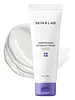
This barrier-repair moisturizer is formulated around Squalane and Panthenol to strengthen the skin barrier and hydrate skin.
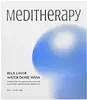
This hydrating sheet mask is formulated around Niacinamide and Allantoin to hydrate skin and calm redness.

What's inside
What's inside
 Key Ingredients
No key ingredients
Benefits
Concerns
Ingredients Side-by-side
Water
Skin ConditioningGlycerin
Humectant


Butylene Glycol
Humectant
Cetyl Ethylhexanoate
EmollientCyclopentasiloxane
Emollient
Hydrogenated Poly(C6-14 Olefin)
EmollientPentaerythrityl Tetraethylhexanoate
Emollient
Dimethicone
Emollient
Squalane
Emollient
1,2-Hexanediol
Skin Conditioning
Polyglyceryl-3 Methylglucose Distearate
Emulsifying

Pentylene Glycol
Skin Conditioning
Glyceryl Stearate
Emollient
Hydrogenated Vegetable Oil
Emollient


Panthenol
Skin Conditioning

Stearyl Alcohol
Emollient
Arachidyl Alcohol
Emollient
Cetyl Alcohol
Emollient
Cetearyl Alcohol
Emollient
Polymethylsilsesquioxane
Behenyl Alcohol
Emollient
Hydroxyethyl Acrylate/Sodium Acryloyldimethyl Taurate Copolymer
Emulsion StabilisingMannitol
Humectant
Glyceryl Arachidonate
Emollient
Glyceryl Linoleate
Emollient
Glyceryl Linolenate
Emollient
Arachidyl Glucoside
EmulsifyingCopernicia Cerifera Wax
Cetearyl Glucoside
Emulsifying
Ethylhexylglycerin
Skin ConditioningDipotassium Glycyrrhizate
Humectant
Hydrogenated Olive Oil Lauryl Esters
Emulsion Stabilising
Serine
Masking
Xanthan Gum
EmulsifyingGlycine
Buffering
Lecithin
Emollient
Sodium Phytate
ChelatingArginine
Masking
Water, Glycerin, Butylene Glycol, Cetyl Ethylhexanoate, Cyclopentasiloxane, Hydrogenated Poly(C6-14 Olefin), Pentaerythrityl Tetraethylhexanoate, Dimethicone, Squalane, 1,2-Hexanediol, Polyglyceryl-3 Methylglucose Distearate, Pentylene Glycol, Glyceryl Stearate, Hydrogenated Vegetable Oil, Panthenol, Stearyl Alcohol, Arachidyl Alcohol, Cetyl Alcohol, Cetearyl Alcohol, Polymethylsilsesquioxane, Behenyl Alcohol, Hydroxyethyl Acrylate/Sodium Acryloyldimethyl Taurate Copolymer, Mannitol, Glyceryl Arachidonate, Glyceryl Linoleate, Glyceryl Linolenate, Arachidyl Glucoside, Copernicia Cerifera Wax, Cetearyl Glucoside, Ethylhexylglycerin, Dipotassium Glycyrrhizate, Hydrogenated Olive Oil Lauryl Esters, Serine, Xanthan Gum, Glycine, Lecithin, Sodium Phytate, Arginine
Water
Skin ConditioningGlycerin
Humectant
Niacinamide
Smoothing






Chondrus Crispus Powder
Abrasive
Glucomannan
Skin ConditioningDextrin
AbsorbentCalcium Chloride
AstringentButyrospermum Parkii Butter
Skin Conditioning
1,2-Hexanediol
Skin Conditioning
Butylene Glycol
Humectant
Hydroxyacetophenone
Antioxidant
Ceratonia Siliqua Gum
EmollientPentylene Glycol
Skin Conditioning
Polyglyceryl-10 Laurate
Skin Conditioning
Xanthan Gum
EmulsifyingAllantoin
Skin Conditioning
Ethylhexylglycerin
Skin ConditioningAgave Tequilana Leaf Extract
AstringentAnastatica Hierochuntica Extract
AstringentGardenia Florida Fruit Extract
Skin ConditioningHydroxyethylcellulose
Emulsion StabilisingAdenosine
Skin Conditioning
Disodium EDTA
ChelatingSodium Guaiazulene Sulfonate
SurfactantSodium Hyaluronate
Humectant
Xylitylglucoside
Humectant
Anhydroxylitol
Humectant
Xylitol
Humectant
Water, Glycerin, Niacinamide, Chondrus Crispus Powder, Glucomannan, Dextrin, Calcium Chloride, Butyrospermum Parkii Butter, 1,2-Hexanediol, Butylene Glycol, Hydroxyacetophenone, Ceratonia Siliqua Gum, Pentylene Glycol, Polyglyceryl-10 Laurate, Xanthan Gum, Allantoin, Ethylhexylglycerin, Agave Tequilana Leaf Extract, Anastatica Hierochuntica Extract, Gardenia Florida Fruit Extract, Hydroxyethylcellulose, Adenosine, Disodium EDTA, Sodium Guaiazulene Sulfonate, Sodium Hyaluronate, Xylitylglucoside, Anhydroxylitol, Xylitol
Reviews
Ingredients Explained
These ingredients are found in both products.
Ingredients higher up in an ingredient list are typically present in a larger amount.
1,2-Hexanediol is a synthetic liquid and another multi-functional powerhouse.
It is a:
- Humectant, drawing moisture into the skin
- Emollient, helping to soften skin
- Solvent, dispersing and stabilizing formulas
- Preservative booster, enhancing the antimicrobial activity of other preservatives
Butylene Glycol (or BG) is used within cosmetic products for a few different reasons:
Overall, Butylene Glycol is a safe and well-rounded ingredient that works well with other ingredients.
Though this ingredient works well with most skin types, some people with sensitive skin may experience a reaction such as allergic rashes, closed comedones, or itchiness.
Learn more about Butylene GlycolEthylhexylglycerin is created from glycerin. It is a multitasker ingredient that:
The CIR Expert Panel found minimal skin absorption or sensitization of any kind in a safety assessment. Though this ingredient is considered well-tolerated, a small number of cases of allergic dermatitis have been published since 2002. Just be sure to patch test if you are unsure.
Industry-reported use ranges from 8% in rinse-off products and 2% in leave-on formulations.
Learn more about EthylhexylglycerinGlycerin (or glycerol) is a compound naturally found in your skin. It's a powerhouse humectant that pulls water into the stratum corneum.
Topically, glycerin does several things at once:
Your skin makes glycerin on its own (mostly from sebaceous oil breakdown) and shuttles it to your outermost layer of skin, or your epidermis, via aquaporin-3.
Aquaporin-3 is a transporter that is essential for normal skin hydration, elasticity, and repair. Interestingly, mice lacking in AQP3 have dry and less elastic skin that can be fully corrected with glycerin.
This ingredient is non-irritating, plays well with almost every ingredient, and works across all skin types. Typical use is anywhere between 3-10% but can go up to 79% in some leave-on products.
Just know very high concentrations (>40%) can feel tacky in low humidity.
Glycerin is the name for this ingredient in American English. British English uses Glycerol/Glycerine.
Learn more about GlycerinPentylene Glycol (1,2-pentanediol) is a multitasking little diol with three main roles in a formula:
Research on alkanediols (the family pentylene glycol belongs to) show they work by disrupting microbial cell membranes. This disruption helps the primary preservative system in a product work more effectively at lower doses.
On the safety side, the Cosmetic Ingredient Review Expert Panel has concluded this ingredient to be safe as used in current cosmetic practices + concentrations.
Typical use levels in a formula run about 1-5%.
Learn more about Pentylene GlycolWater. It's the most common cosmetic ingredient of all. You'll usually see it at the top of ingredient lists, meaning that it makes up the largest part of the product.
So why is it so popular? Water most often acts as a solvent - this means that it helps dissolve other ingredients into the formulation.
You'll also recognize water as that liquid we all need to stay alive. If you see this, drink a glass of water. Remember to stay hydrated!
Learn more about WaterXanthan gum is used as a stabilizer and thickener within cosmetic products. It helps give products a sticky, thick feeling - preventing them from being too runny.
On the technical side of things, xanthan gum is a polysaccharide - a combination consisting of multiple sugar molecules bonded together.
Xanthan gum is a pretty common and great ingredient. It is a natural, non-toxic, non-irritating ingredient that is also commonly used in food products.
Learn more about Xanthan Gum

