Sesderma Salises Foamy Soap Free Cream Cleanser Versus The Purest Solutions Exfoliating Salicylic Acid Cleanser
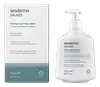
This salicylic acid foaming cleanser is formulated around Salicylic Acid to clear breakouts and unclog pores.
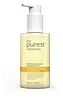
This salicylic acid gel cleanser is formulated around Salicylic Acid to clear breakouts and unclog pores.


What's inside
What's inside
 Key Ingredients
Benefits
Concerns
Ingredients Side-by-side
Water
Skin ConditioningSodium Laureth Sulfate
Cleansing



Propanediol
Solvent

Cocamidopropyl Betaine
Cleansing

Cocamide DEA
Emulsifying
Salicylic Acid
Masking






Glycerin
Humectant
Ammonium Acryloyldimethyltaurate/Beheneth-25 Methacrylate Crosspolymer
Emulsion StabilisingAlcohol
Antimicrobial
Aloe Barbadensis Leaf Juice
Skin Conditioning

Alpha-Isomethyl Ionone
Perfuming


Avena Sativa Kernel Extract
Abrasive

Cetylpyridinium Chloride
AntimicrobialChamomilla Recutita Extract
Skin Conditioning
Ethylhexylglycerin
Skin ConditioningHexyl Cinnamal
Perfuming
Limonene
Perfuming
Methylparaben
Preservative

Mimosa Tenuiflora Bark Extract
Skin ProtectingParfum
Masking
PEG-7 Glyceryl Cocoate
Emulsifying
Phenoxyethanol
Preservative
Phosphatidylcholine
EmulsifyingPolysorbate 20
Emulsifying
Potassium Sorbate
Preservative
Propylene Glycol
Humectant
Propylparaben
Preservative
Sodium Benzoate
Masking
Triethanolamine
BufferingWater, Sodium Laureth Sulfate, Propanediol, Cocamidopropyl Betaine, Cocamide DEA, Salicylic Acid, Glycerin, Ammonium Acryloyldimethyltaurate/Beheneth-25 Methacrylate Crosspolymer, Alcohol, Aloe Barbadensis Leaf Juice, Alpha-Isomethyl Ionone, Avena Sativa Kernel Extract, Cetylpyridinium Chloride, Chamomilla Recutita Extract, Ethylhexylglycerin, Hexyl Cinnamal, Limonene, Methylparaben, Mimosa Tenuiflora Bark Extract, Parfum, PEG-7 Glyceryl Cocoate, Phenoxyethanol, Phosphatidylcholine, Polysorbate 20, Potassium Sorbate, Propylene Glycol, Propylparaben, Sodium Benzoate, Triethanolamine
Water
Skin ConditioningDisodium Laureth Sulfosuccinate
CleansingCocamidopropyl Betaine
Cleansing
Lauryl Glucoside
CleansingSodium C14-16 Olefin Sulfonate
Cleansing
Disodium Cocoamphodiacetate
CleansingPhenethyl Alcohol
MaskingNiacinamide
Smoothing


Pentylene Glycol
Skin Conditioning
PEG/PPG-120/10 Trimethylolpropane Trioleate
Laureth-2
Cleansing1,2-Hexanediol
Skin Conditioning
Salicylic Acid
Masking
Rosmarinus Officinalis Leaf Extract
AntimicrobialCamellia Sinensis Leaf Extract
Antimicrobial
Sodium Hyaluronate Crosspolymer
Humectant
Sodium Hyaluronate
Humectant
Sodium Acetylated Hyaluronate
Humectant
Hydrolyzed Sodium Hyaluronate
Skin Conditioning
Ethylhexylglycerin
Skin ConditioningSodium PCA
Humectant
Panthenol
Skin Conditioning
Zinc PCA
Humectant
Aloe Barbadensis Leaf Juice
Skin Conditioning
Water, Disodium Laureth Sulfosuccinate, Cocamidopropyl Betaine, Lauryl Glucoside, Sodium C14-16 Olefin Sulfonate, Disodium Cocoamphodiacetate, Phenethyl Alcohol, Niacinamide, Pentylene Glycol, PEG/PPG-120/10 Trimethylolpropane Trioleate, Laureth-2, 1,2-Hexanediol, Salicylic Acid, Rosmarinus Officinalis Leaf Extract, Camellia Sinensis Leaf Extract, Sodium Hyaluronate Crosspolymer, Sodium Hyaluronate, Sodium Acetylated Hyaluronate, Hydrolyzed Sodium Hyaluronate, Ethylhexylglycerin, Sodium PCA, Panthenol, Zinc PCA, Aloe Barbadensis Leaf Juice
Reviews
Ingredients Explained
These ingredients are found in both products.
Ingredients higher up in an ingredient list are typically present in a larger amount.
Aloe Barbadensis Leaf Juice is the filtered, stabilized liquid pressed from the inner gel of the aloe vera leaf.
In cosmetics, it shows up as either soothing active or a water-replacement base. It is roughly 98-99% water and the last 1-2% is an interesting mix of polysaccharides, amino acids, vitamins, minerals, and enzymes.
The polysaccharides do most of the work: they bind water at the skin surface for a light, non-greasy hydration boost. And one of the polysaccharides, glycomannan, is linked to fibroblast stimulation + collagen synthesis. This is also why aloe has such a long track record in wound and burn healing.
This ingredient is also calming with anti-inflammatory and mild antimicrobial activity, making it a great pick for sensitive, irritated, or post-sun skin.
Realistic expectations matter though; the solid evidence is mostly limited to hydration, soothing, and wound support. Deeper claims about anti-aging or sun protection are not well backed, and science reviews note it does not prevent radiation-induced skin injury.
Because it plays well with almost everything, it's commonly used as a base alongside other actives like niacinamide or vitamin C.
Typical usage concentrations range from 0.5% (where hydration benefits already show up) all the way to 90%+ (where it replaces water as the main base).
The safety for this ingredient is well-establish as well. Overall, this is a great supporting ingredient for those who want a boost in hydration.
Learn more about Aloe Barbadensis Leaf JuiceCocamidopropyl Betaine is a fatty acid created by mixing similar compounds in coconut oil and dimethylaminopropylamine, a compound with two amino groups.
This ingredient is a surfactant and cleanser. It helps gather the dirt, pollutants, and other impurities in your skin to be washed away. It also helps thicken a product and make the texture more creamy.
Being created from coconut oil means Cocamidopropyl Betaine is hydrating for the skin.
While Cocamidopropyl Betaine was believed to be an allergen, a study from 2012 disproved this. It found two compounds in unpure Cocamidopropyl Betaine to be the irritants: aminoamide and 3-dimethylaminopropylamine. High-grade and pure Cocamidopropyl Betaine did not induce allergic reactions during this study.
Learn more about Cocamidopropyl BetaineEthylhexylglycerin is created from glycerin. It is a multitasker ingredient that:
The CIR Expert Panel found minimal skin absorption or sensitization of any kind in a safety assessment. Though this ingredient is considered well-tolerated, a small number of cases of allergic dermatitis have been published since 2002. Just be sure to patch test if you are unsure.
Industry-reported use ranges from 8% in rinse-off products and 2% in leave-on formulations.
Learn more about EthylhexylglycerinSalicylic Acid (also known as beta hydroxy acid or BHA) is a well-known ingredient for treating skin that struggles with acne and clogged pores. It exfoliates both the skin's surface and deep within the pores to help clear out buildup, control oil, and reduce inflammation.
Unlike AHAs (alpha hydroxy acids), salicylic acid is oil-soluble. This allows it to penetrate into pores which makes it especially effective for treating blackheads and preventing future breakouts.
Salicylic acid is also known for its soothing properties. It has a similar structure to aspirin and can calm inflamed or irritated skin, making it a good option for acne-prone skin that is also sensitive.
Concentrations of 0.5-2% are recognized by the U.S. FDA as an over-the-counter topical acne product.
It can cause irritation and/or dryness if one's skin already has a compromised moisture barrier, so it's best to focus on repairing that before introducing this ingredient into your routine.
While salicylic acid does not increase sun sensitivity, it’s still important to wear sunscreen daily to protect your skin.
If you are looking for the ingredient called BHA or Butylated Hydroxyanisole, click here.
Learn more about Salicylic AcidWater. It's the most common cosmetic ingredient of all. You'll usually see it at the top of ingredient lists, meaning that it makes up the largest part of the product.
So why is it so popular? Water most often acts as a solvent - this means that it helps dissolve other ingredients into the formulation.
You'll also recognize water as that liquid we all need to stay alive. If you see this, drink a glass of water. Remember to stay hydrated!
Learn more about Water

