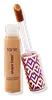
Sephora Collection Best Skin Ever Full Coverage Multi-Use Concealer Versus Tarte Shape Tape Contour Concealer


What's inside
What's inside
 Key Ingredients
Benefits
Concerns
Ingredients Side-by-side
Water
Skin ConditioningCI 77492
Cosmetic ColorantDimethicone
Emollient

Isododecane
EmollientPEG-9 Polydimethylsiloxyethyl Dimethicone
Emulsifying
CI 77891
Cosmetic ColorantButylene Glycol Dicaprylate/Dicaprate
EmollientCI 77491
Cosmetic ColorantIsoamyl Laurate
Emollient

Methyl Trimethicone
Skin Conditioning
Pentylene Glycol
Skin Conditioning
CI 77499
Cosmetic ColorantPolyglyceryl-4 Diisostearate/Polyhydroxystearate/Sebacate
Emulsifying
Cetyl PEG/PPG-10/1 Dimethicone
Emulsifying
Silica
Abrasive


Glycerin
Humectant
Sodium Chloride
MaskingDisteardimonium Hectorite
StabilisingTriethoxycaprylylsilane
Phenoxyethanol
Preservative
Diphenylsiloxy Phenyl Trimethicone
Skin Conditioning
Dimethicone/Vinyl Dimethicone Crosspolymer
Skin Conditioning
Trimethylsiloxysilicate
Emollient
C12-15 Alkyl Benzoate
AntimicrobialAcrylates/Polytrimethylsiloxymethacrylate Copolymer
Skin ConditioningPropylene Carbonate
SolventSodium Hyaluronate
Humectant


Hydrolyzed Algin
Water, CI 77492, Dimethicone, Isododecane, PEG-9 Polydimethylsiloxyethyl Dimethicone, CI 77891, Butylene Glycol Dicaprylate/Dicaprate, CI 77491, Isoamyl Laurate, Methyl Trimethicone, Pentylene Glycol, CI 77499, Polyglyceryl-4 Diisostearate/Polyhydroxystearate/Sebacate, Cetyl PEG/PPG-10/1 Dimethicone, Silica, Glycerin, Sodium Chloride, Disteardimonium Hectorite, Triethoxycaprylylsilane, Phenoxyethanol, Diphenylsiloxy Phenyl Trimethicone, Dimethicone/Vinyl Dimethicone Crosspolymer, Trimethylsiloxysilicate, C12-15 Alkyl Benzoate, Acrylates/Polytrimethylsiloxymethacrylate Copolymer, Propylene Carbonate, Sodium Hyaluronate, Hydrolyzed Algin
Water
Skin ConditioningCyclopentasiloxane
Emollient
Cyclohexasiloxane
Emollient
Methyl Methacrylate Crosspolymer
Butylene Glycol
Humectant
PEG-10 Dimethicone
Skin Conditioning
Trimethylsiloxysilicate
Emollient
Sodium Chloride
MaskingDisteardimonium Hectorite
StabilisingCetyl PEG/PPG-10/1 Dimethicone
Emulsifying
Aluminum Hydroxide
EmollientAmyl Cinnamal
Perfuming



Benzyl Salicylate
Perfuming
Convallaria Majalis Bulb/Root Extract
Skin ConditioningDimethicone/Vinyl Dimethicone Crosspolymer
Skin Conditioning
Disodium EDTA
ChelatingEthylhexylglycerin
Skin ConditioningGeraniol
Perfuming
Glycyrrhiza Glabra Root Extract
Bleaching


Helianthus Annuus Seed Oil
Emollient
Hexyl Cinnamal
Perfuming
Hydroxycitronellal
Perfuming
Leontopodium Alpinum Flower/Leaf Extract
Skin ConditioningLilium Candidum Flower Extract
Skin ConditioningLimonene
Perfuming
Linalool
Perfuming
Magnolia Liliflora Flower Extract
Skin ConditioningMangifera Indica Seed Butter
Skin Conditioning
Olea Europaea Fruit Oil
Masking
Paeonia Lactiflora Root Extract
Skin ConditioningParfum
Masking
Phenoxyethanol
Preservative
Tocopherol
Antioxidant

Triethoxycaprylylsilane
Triethyl Citrate
Masking
Butyrospermum Parkii Butter
Skin Conditioning
Ulmus Davidiana Root Extract
Skin Conditioning
Glycerin
Humectant
Pentaerythrityl Tetra-Di-T-Butyl Hydroxyhydrocinnamate
Antioxidant
Tbhq
Antioxidant
Titanium Dioxide
Cosmetic Colorant

Iron Oxides
Water, Cyclopentasiloxane, Cyclohexasiloxane, Methyl Methacrylate Crosspolymer, Butylene Glycol, PEG-10 Dimethicone, Trimethylsiloxysilicate, Sodium Chloride, Disteardimonium Hectorite, Cetyl PEG/PPG-10/1 Dimethicone, Aluminum Hydroxide, Amyl Cinnamal, Benzyl Salicylate, Convallaria Majalis Bulb/Root Extract, Dimethicone/Vinyl Dimethicone Crosspolymer, Disodium EDTA, Ethylhexylglycerin, Geraniol, Glycyrrhiza Glabra Root Extract, Helianthus Annuus Seed Oil, Hexyl Cinnamal, Hydroxycitronellal, Leontopodium Alpinum Flower/Leaf Extract, Lilium Candidum Flower Extract, Limonene, Linalool, Magnolia Liliflora Flower Extract, Mangifera Indica Seed Butter, Olea Europaea Fruit Oil, Paeonia Lactiflora Root Extract, Parfum, Phenoxyethanol, Tocopherol, Triethoxycaprylylsilane, Triethyl Citrate, Butyrospermum Parkii Butter, Ulmus Davidiana Root Extract, Glycerin, Pentaerythrityl Tetra-Di-T-Butyl Hydroxyhydrocinnamate, Tbhq, Titanium Dioxide, Iron Oxides
Reviews
Ingredients Explained
These ingredients are found in both products.
Ingredients higher up in an ingredient list are typically present in a larger amount.
This ingredient is a silicone-based emulsifer that helps the water and oil phases play nicely together.
It's pretty effective because one end of the molecule loves oil and the other one loves water.
Besides holding formulas together, it also leaves a silky and lightweight feel on skin without the greasiness. A manufacturer also claims it can help with the controlled release of active ingredients.
The CIR Expert Panel found this ingredient to not be sensitizing in concentrations up to 15% in human maximazation testing and dimethicone-based compounds were not comedogenic.
It has a high molecular weight well above 1,000 g/mol which means it limits meaningful skin penetration.
A 2019 study specifically tested this ingredient and found no observable Malassezia growth in its presence.
Learn more about Cetyl PEG/PPG-10/1 DimethiconeThis ingredient is a silicone elastomer that works as a texture enhancer, adds a silky slip, and also helps absorb excess oil.
Because it's a large macromolecule that's insoluble in water and chemically inert, it's not expected to penetrate or be absorbed into skin.
Human patch tests with a facial lotion containing 1% of this ingredient found no sensitization.
Learn more about Dimethicone/Vinyl Dimethicone CrosspolymerDisteardimonium Hectorite comes from the clay mineral named hectorite. It is used to add thickness to a product.
It can also help stabilize a product by helping to disperse other ingredients.
Hectorite is a rare, white clay mineral.
Learn more about Disteardimonium HectoriteGlycerin (or glycerol) is a compound naturally found in your skin. It's a powerhouse humectant that pulls water into the stratum corneum.
Topically, glycerin does several things at once:
Your skin makes glycerin on its own (mostly from sebaceous oil breakdown) and shuttles it to your outermost layer of skin, or your epidermis, via aquaporin-3.
Aquaporin-3 is a transporter that is essential for normal skin hydration, elasticity, and repair. Interestingly, mice lacking in AQP3 have dry and less elastic skin that can be fully corrected with glycerin.
This ingredient is non-irritating, plays well with almost every ingredient, and works across all skin types. Typical use is anywhere between 3-10% but can go up to 79% in some leave-on products.
Just know very high concentrations (>40%) can feel tacky in low humidity.
Glycerin is the name for this ingredient in American English. British English uses Glycerol/Glycerine.
Learn more about GlycerinPhenoxyethanol is one of the most widely used preservatives in skincare (and for good reason!).
It has a large spectrum of antimicrobial activity and especially effective bacteria, yeast, and mold while only having a weak effect on your skin's natural microbiome.
On a cellular level, it disrupts the cell membranes of microbes by poking holes that make the cell leak. This shuts down the chemical reactions the microbe needs to make energy so it can no longer survive.
Another perk of this ingredient is that it stays functional across a wide pH range (3-10).
You'll often see it paired with boosters like Ethylhexylglycerin; one study showed that a 1:9 ratio of Ethylhexylglycerin to Phenoxyethanol damages bacterial membranes as effectively as doubling the Phenoxyethanol concentration on its own.
Typical use concentrations range from 0.3-1% depending on the formula, and this ingredient is capped at 1% int the EU.
Safety-wise, the fear mongering does not hold up to the evidence. The EU's Scientific Committee on Consumer Safety and FDA consider it safe as a preservative at up to 1%, including for children of all ages.
Adverse systemic effects only showed up in animal studies at exposures roughly 200x higher than what people get from cosmetics. And despite its very widespread use, this ingredient is a rare sensitizer and allergic reactions are uncommon.
Learn more about PhenoxyethanolChances are, you eat sodium chloride every day. Sodium Chloride is also known as table salt. This ingredient has many purposes in skincare: thickener, emulsifier, and exfoliator.
You'll most likely find this ingredient in cleansers where it is used to create a gel-like texture. As an emulsifier, it also prevents ingredients from separating.
You might see people debate whether Sodium Chloride is comedogenic, but there actually haven't been any comedogenic tests done on it. Either way, the overall formulation of a product matters a lot more than any single ingredient.
You might see this ingredient used in scrubs as a primary exfoliating ingredient.
Learn more about Sodium ChlorideTriethoxycaprylylsilane is a silicon-based surface modifier that makes sunscreens feel silky and makeup stay put.
Its main job is to coat mineral particles like titanium dioxide, zinc oxide, and color pigments in a thin, oily layer so they spread smoothly, don't clump, and stick to skin better.
This ingredient is typically used at low levels (up to 2.5% in eyeshadow and 1% in lipstick).
Learn more about TriethoxycaprylylsilaneThis silicone is an emollient. Emollients create a thin film on the skin to prevent moisture from escaping.
It is not soluble in water and helps increase water-resistance in products.
According to a manufacturer, it can blend seamlessly with silicone oils, such as Cyclopentasiloxane.
Learn more about TrimethylsiloxysilicateWater. It's the most common cosmetic ingredient of all. You'll usually see it at the top of ingredient lists, meaning that it makes up the largest part of the product.
So why is it so popular? Water most often acts as a solvent - this means that it helps dissolve other ingredients into the formulation.
You'll also recognize water as that liquid we all need to stay alive. If you see this, drink a glass of water. Remember to stay hydrated!
Learn more about Water

