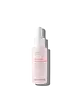
This brightening serum is formulated around 3-O-Ethyl Ascorbic Acid and Potassium Azeloyl Diglycinate to brighten dull-looking skin and fade the look of dark spots.
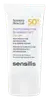
This chemical sunscreen covers the full UV range and blocks ~98% of UVB at SPF 50.

What's inside
What's inside
 Key Ingredients
Benefits
Concerns
Ingredients Side-by-side
Water
Skin Conditioning3-O-Ethyl Ascorbic Acid
Skin Conditioning





Alcohol Denat.
Antimicrobial




Pentylene Glycol
Skin Conditioning
Panthenol
Skin Conditioning

Potassium Azeloyl Diglycinate
Skin Conditioning


Sodium Citrate
BufferingVaccinium Myrtillus Fruit Extract
Skin ConditioningSaccharum Officinarum Extract
MoisturisingBacillus/Folic Acid Ferment Filtrate Extract
Antioxidant
Citrus Aurantium Dulcis Fruit Extract
MaskingCitrus Limon Fruit Extract
Masking
Yeast Extract
Skin ConditioningDipotassium Glycyrrhizate
Humectant
Sodium Hyaluronate
Humectant

Arginine
Masking
Isoleucine
Skin ConditioningLeucine
Skin ConditioningProline
Skin Conditioning
Zinc Gluconate
Skin Conditioning

Acer Saccharum Extract
Skin ConditioningLysine
Skin ConditioningCopper Gluconate
Skin Conditioning
PEG-40 Hydrogenated Castor Oil
Emulsifying

Butylene Glycol
Humectant
PPG-26-Buteth-26
Skin ConditioningMagnesium Aspartate
Skin ConditioningCaprylyl Glycol
Emollient
Tetrasodium Glutamate Diacetate
ChelatingCitric Acid
Buffering
Sodium Hydroxide
Buffering1,2-Hexanediol
Skin Conditioning
Parfum
Masking

Water, 3-O-Ethyl Ascorbic Acid, Alcohol Denat., Pentylene Glycol, Panthenol, Potassium Azeloyl Diglycinate, Sodium Citrate, Vaccinium Myrtillus Fruit Extract, Saccharum Officinarum Extract, Bacillus/Folic Acid Ferment Filtrate Extract, Citrus Aurantium Dulcis Fruit Extract, Citrus Limon Fruit Extract, Yeast Extract, Dipotassium Glycyrrhizate, Sodium Hyaluronate, Arginine, Isoleucine, Leucine, Proline, Zinc Gluconate, Acer Saccharum Extract, Lysine, Copper Gluconate, PEG-40 Hydrogenated Castor Oil, Butylene Glycol, PPG-26-Buteth-26, Magnesium Aspartate, Caprylyl Glycol, Tetrasodium Glutamate Diacetate, Citric Acid, Sodium Hydroxide, 1,2-Hexanediol, Parfum
C12-15 Alkyl Benzoate
AntimicrobialDimethicone
Emollient
Diethylamino Hydroxybenzoyl Hexyl Benzoate
UV Filter
Dimethicone Crosspolymer
Emulsion Stabilising
Ethylhexyl Salicylate
UV Absorber
Diethylhexyl Butamido Triazone
UV Absorber
Bis-Ethylhexyloxyphenol Methoxyphenyl Triazine
UV Absorber
Silica
Abrasive
Silica Dimethyl Silylate
EmollientAscorbyl Tetraisopalmitate
Antioxidant
Tocopheryl Acetate
Antioxidant
Physalis Angulata Extract
Skin ProtectingCaprylic/Capric Triglyceride
Masking
Sclareolide
Masking
Lysine
Skin ConditioningTocopherol
Antioxidant
Aluminum Hydroxide
EmollientSodium Lauroyl Glutamate
SurfactantMagnesium Chloride
CI 77891
Cosmetic ColorantCI 77492
Cosmetic ColorantCI 77491
Cosmetic ColorantCI 77499
Cosmetic ColorantParfum
Masking
C12-15 Alkyl Benzoate, Dimethicone, Diethylamino Hydroxybenzoyl Hexyl Benzoate, Dimethicone Crosspolymer, Ethylhexyl Salicylate, Diethylhexyl Butamido Triazone, Bis-Ethylhexyloxyphenol Methoxyphenyl Triazine, Silica, Silica Dimethyl Silylate, Ascorbyl Tetraisopalmitate, Tocopheryl Acetate, Physalis Angulata Extract, Caprylic/Capric Triglyceride, Sclareolide, Lysine, Tocopherol, Aluminum Hydroxide, Sodium Lauroyl Glutamate, Magnesium Chloride, CI 77891, CI 77492, CI 77491, CI 77499, Parfum
Ingredients Explained
These ingredients are found in both products.
Ingredients higher up in an ingredient list are typically present in a larger amount.
Lysine is an essential amino acid (your body cannot make it on its own). It has skin conditioning properties and one of the key players in collagen synthesis.
When your body creates collagen, lysine is basically the glue that holds everything together. It helps collagen fibers lock into each other and stay strong, with vitamin C being its trusty sidekick. Without enough lysine, this glue gets flimsy and less firm, resulting in less bouncy skin.
In skincare, lysine is mostly there to help keep your skin moisturized. It carries water through your skin's layers so everything stays plump.
So will putting lysine on your face create bouncier skin?
It's hard to say; most of the exciting collagen research on lysine comes from oral supplements or lab studies on mice. Further research is needed to truly understand what role topical lysine plays in skincare and your skin.
However, there's no harm in adding lysine to your routine as a supportive and hydrating ingredient.
Learn more about LysineParfum is a catch-all term for an ingredient or more that is used to give a scent to products.
Also called "fragrance", this ingredient can be a blend of hundreds of chemicals or plant oils. This means every product with "fragrance" or "parfum" in the ingredients list is a different mixture.
For instance, Habanolide is a proprietary trade name for a specific aroma chemical. When used as a fragrance ingredient in cosmetics, most aroma chemicals fall under the broad labeling category of “FRAGRANCE” or “PARFUM” according to EU and US regulations.
The term 'parfum' or 'fragrance' is not regulated in many countries. In many cases, it is up to the brand to define this term.
For instance, many brands choose to label themselves as "fragrance-free" because they are not using synthetic fragrances. However, their products may still contain ingredients such as essential oils that are considered a fragrance by INCI standards.
One example is Calendula flower extract. Calendula is an essential oil that still imparts a scent or 'fragrance'.
Depending on the blend, the ingredients in the mixture can cause allergies and sensitivities on the skin. Some ingredients that are known EU allergens include linalool and citronellol.
Parfum can also be used to mask or cover an unpleasant scent.
The bottom line is: not all fragrances/parfum/ingredients are created equally. If you are worried about fragrances, we recommend taking a closer look at an ingredient. And of course, we always recommend speaking with a professional.
Learn more about Parfum

