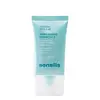
This calming moisturizer is formulated around Aloe Barbadensis Leaf Juice and Sodium Hyaluronate to calm redness and hydrate skin.
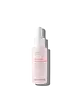
This brightening serum is formulated around 3-O-Ethyl Ascorbic Acid and Potassium Azeloyl Diglycinate to brighten dull-looking skin and fade the look of dark spots.

What's inside
What's inside
 Key Ingredients
Benefits
Concerns
Ingredients Side-by-side
Water
Skin ConditioningGlycerin
Humectant


1,2-Hexanediol
Skin Conditioning
Dimethicone
Emollient
Hydroxyethyl Acrylate/Sodium Acryloyldimethyl Taurate Copolymer
Emulsion StabilisingBis-PEG-18 Methyl Ether Dimethyl Silane
EmollientAloe Barbadensis Leaf Juice
Skin Conditioning

Tapioca Starch
Sodium Hyaluronate
Humectant

Butyrospermum Parkii Nut Extract
Emollient
Punica Granatum Fruit Extract
Antioxidant

Centella Asiatica Extract
Cleansing
Hydrogenated Lecithin
Emulsifying
Propylene Glycol
Humectant

Polysorbate 60
Emulsifying
Sorbitan Isostearate
Emulsifying
Polymethylsilsesquioxane
Disodium EDTA
ChelatingSodium Hydroxide
BufferingCitric Acid
Buffering

Potassium Sorbate
Preservative
Sodium Benzoate
Masking
CI 42090
Cosmetic ColorantParfum
Masking


Water, Glycerin, 1,2-Hexanediol, Dimethicone, Hydroxyethyl Acrylate/Sodium Acryloyldimethyl Taurate Copolymer, Bis-PEG-18 Methyl Ether Dimethyl Silane, Aloe Barbadensis Leaf Juice, Tapioca Starch, Sodium Hyaluronate, Butyrospermum Parkii Nut Extract, Punica Granatum Fruit Extract, Centella Asiatica Extract, Hydrogenated Lecithin, Propylene Glycol, Polysorbate 60, Sorbitan Isostearate, Polymethylsilsesquioxane, Disodium EDTA, Sodium Hydroxide, Citric Acid, Potassium Sorbate, Sodium Benzoate, CI 42090, Parfum
Water
Skin Conditioning3-O-Ethyl Ascorbic Acid
Skin Conditioning

Alcohol Denat.
Antimicrobial

Pentylene Glycol
Skin Conditioning
Panthenol
Skin Conditioning
Potassium Azeloyl Diglycinate
Skin Conditioning

Sodium Citrate
BufferingVaccinium Myrtillus Fruit Extract
Skin ConditioningSaccharum Officinarum Extract
MoisturisingBacillus/Folic Acid Ferment Filtrate Extract
Antioxidant
Citrus Aurantium Dulcis Fruit Extract
MaskingCitrus Limon Fruit Extract
Masking
Yeast Extract
Skin ConditioningDipotassium Glycyrrhizate
Humectant
Sodium Hyaluronate
Humectant
Arginine
Masking
Isoleucine
Skin ConditioningLeucine
Skin ConditioningProline
Skin Conditioning
Zinc Gluconate
Skin Conditioning

Acer Saccharum Extract
Skin ConditioningLysine
Skin ConditioningCopper Gluconate
Skin Conditioning
PEG-40 Hydrogenated Castor Oil
Emulsifying
Butylene Glycol
Humectant
PPG-26-Buteth-26
Skin ConditioningMagnesium Aspartate
Skin ConditioningCaprylyl Glycol
Emollient
Tetrasodium Glutamate Diacetate
ChelatingCitric Acid
Buffering
Sodium Hydroxide
Buffering1,2-Hexanediol
Skin Conditioning
Parfum
Masking
Water, 3-O-Ethyl Ascorbic Acid, Alcohol Denat., Pentylene Glycol, Panthenol, Potassium Azeloyl Diglycinate, Sodium Citrate, Vaccinium Myrtillus Fruit Extract, Saccharum Officinarum Extract, Bacillus/Folic Acid Ferment Filtrate Extract, Citrus Aurantium Dulcis Fruit Extract, Citrus Limon Fruit Extract, Yeast Extract, Dipotassium Glycyrrhizate, Sodium Hyaluronate, Arginine, Isoleucine, Leucine, Proline, Zinc Gluconate, Acer Saccharum Extract, Lysine, Copper Gluconate, PEG-40 Hydrogenated Castor Oil, Butylene Glycol, PPG-26-Buteth-26, Magnesium Aspartate, Caprylyl Glycol, Tetrasodium Glutamate Diacetate, Citric Acid, Sodium Hydroxide, 1,2-Hexanediol, Parfum
Ingredients Explained
These ingredients are found in both products.
Ingredients higher up in an ingredient list are typically present in a larger amount.
1,2-Hexanediol is a synthetic liquid and another multi-functional powerhouse.
It is a:
- Humectant, drawing moisture into the skin
- Emollient, helping to soften skin
- Solvent, dispersing and stabilizing formulas
- Preservative booster, enhancing the antimicrobial activity of other preservatives
Citric Acid is an alpha hydroxy acid (AHA) naturally found in citrus fruits like oranges, lemons, and limes.
Like other AHAs, citric acid can exfoliate skin by breaking down the bonds that hold dead skin cells together. This helps reveal smoother and brighter skin underneath.
However, this exfoliating effect only happens at high concentrations (20%) which can be hard to find in cosmetic products.
Due to this, citric acid is usually included in small amounts as a pH adjuster. This helps keep products slightly more acidic and compatible with skin's natural pH.
In skincare formulas, citric acid can:
While it can provide some skin benefits, research shows lactic acid and glycolic acid are generally more effective and less irritating exfoliants.
Most citric acid used in skincare today is made by fermenting sugars (usually from molasses). This synthetic version is identical to the natural citrus form but easier to stabilize and use in formulations.
Rosacea skin has a lower threshold for acids generally, with 62.5% of rosacea subjects in one study reacting to lactic acid in a sting test. This is why we mark citric acid as a potential rosacea trigger.
However, this ingredient shows up as a pH adjuster or chelator at roughly 0.1-1% in many products. These low levels are unlikely to be an issue for rosacea skin and becomes a potential trigger at exfoliating concentrations (20%). Because everybody's skin is unique, we recommend a patch test if you are unsure.
Learn more about Citric AcidParfum is a catch-all term for an ingredient or more that is used to give a scent to products.
Also called "fragrance", this ingredient can be a blend of hundreds of chemicals or plant oils. This means every product with "fragrance" or "parfum" in the ingredients list is a different mixture.
For instance, Habanolide is a proprietary trade name for a specific aroma chemical. When used as a fragrance ingredient in cosmetics, most aroma chemicals fall under the broad labeling category of “FRAGRANCE” or “PARFUM” according to EU and US regulations.
The term 'parfum' or 'fragrance' is not regulated in many countries. In many cases, it is up to the brand to define this term.
For instance, many brands choose to label themselves as "fragrance-free" because they are not using synthetic fragrances. However, their products may still contain ingredients such as essential oils that are considered a fragrance by INCI standards.
One example is Calendula flower extract. Calendula is an essential oil that still imparts a scent or 'fragrance'.
Depending on the blend, the ingredients in the mixture can cause allergies and sensitivities on the skin. Some ingredients that are known EU allergens include linalool and citronellol.
Parfum can also be used to mask or cover an unpleasant scent.
The bottom line is: not all fragrances/parfum/ingredients are created equally. If you are worried about fragrances, we recommend taking a closer look at an ingredient. And of course, we always recommend speaking with a professional.
Learn more about ParfumSodium Hyaluronate is the salt form of hyaluronic acid. It is a long sugar chain that is naturally found in your skin, joints, and connective tissue that maintains hydration and elasticity.
In skincare, it works as a humectant. It pulls water from the environment and deeper layers of skin and binds it to the surface.
Interestingly, the size of the molecule affects its behavior:
Some clinical evidence links low molecular weight versions to improved wrinkle depth, elasticity, anti-inflammatory effects, and barrier repair.
Many serums use a blend of both weights so you can get surface hydration plus longer-lasting and deeper effects.
You'll typically see concentrations between 0.1-2% for this ingredient.
Learn more about Sodium HyaluronateSodium Hydroxide is also known as lye or caustic soda. It is used to adjust the pH of products; many ingredients require a specific pH to be effective.
In small amounts, sodium hydroxide is considered safe to use. However, large amounts may cause chemical burns due to its high alkaline.
Your skin has a natural pH and acid mantle. This acid mantle helps prevent harmful bacteria from breaking through. The acid mantle also helps keep your skin hydrated.
"Alkaline" refers to a high pH level. A low pH level would be considered acidic.
Learn more about Sodium HydroxideWater. It's the most common cosmetic ingredient of all. You'll usually see it at the top of ingredient lists, meaning that it makes up the largest part of the product.
So why is it so popular? Water most often acts as a solvent - this means that it helps dissolve other ingredients into the formulation.
You'll also recognize water as that liquid we all need to stay alive. If you see this, drink a glass of water. Remember to stay hydrated!
Learn more about Water

