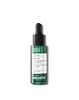
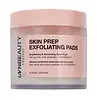
Sensilis Prep 4+ Drops Antiaging Exfolianting Accelerator Versus iNNBEAUTY PROJECT Skin Prep Exfoliating Pads
This smoothing exfoliator is formulated around Glycolic Acid and Mandelic Acid to refine skin texture and soften the look of wrinkles.
This smoothing exfoliating pad uses a pre-saturated pad with Glycolic Acid and Gluconolactone to refine skin texture and brighten dull-looking skin.


What's inside
What's inside
 Key Ingredients
Benefits
Concerns
Ingredients Side-by-side
Water
Skin ConditioningGlycolic Acid
Buffering











Mandelic Acid
Antimicrobial
Propanediol
Solvent

Sodium Hydroxide
Buffering1,2-Hexanediol
Skin Conditioning
C12-13 Pareth-9
EmulsifyingPanthenol
Skin Conditioning

Glycerin
Humectant
Ectoin
Skin Conditioning
Hydrolyzed Hyaluronic Acid
Humectant
Ahnfeltiopsis Concinna Extract
Skin Conditioning

Tasmannia Lanceolata Fruit/Leaf Extract
Antioxidant
Isomalt
HumectantAspergillus Ferment
Skin ConditioningHexanoyl Dipeptide-3 Norleucine Acetate
Skin Conditioning
Tetrasodium Glutamate Diacetate
Sodium Benzoate
Masking
Potassium Sorbate
Preservative
Sodium Dehydroacetate
Preservative
Parfum
Masking

Water, Glycolic Acid, Mandelic Acid, Propanediol, Sodium Hydroxide, 1,2-Hexanediol, C12-13 Pareth-9, Panthenol, Glycerin, Ectoin, Hydrolyzed Hyaluronic Acid, Ahnfeltiopsis Concinna Extract, Tasmannia Lanceolata Fruit/Leaf Extract, Isomalt, Aspergillus Ferment, Hexanoyl Dipeptide-3 Norleucine Acetate, Tetrasodium Glutamate Diacetate, Sodium Benzoate, Potassium Sorbate, Sodium Dehydroacetate, Parfum
Water
Skin ConditioningGlycolic Acid
Buffering
Pentylene Glycol
Skin Conditioning
Glycerin
Humectant
Gluconolactone
Skin Conditioning
Sodium Hydroxide
Buffering1,2-Hexanediol
Skin Conditioning
Ectoin
Skin Conditioning
Mandelic Acid
Antimicrobial
Tropaeolum Majus Flower/Leaf/Stem Extract
Skin ConditioningHexapeptide-9
Skin Conditioning
Tetrapeptide-4
Skin Conditioning
Squalane
Emollient
Maltobionic Acid
Buffering
Punica Granatum Fruit Extract
Antioxidant
Citrus Limon Fruit Extract
Masking
Terminalia Ferdinandiana Fruit Extract
Antioxidant
Creatine
Skin ConditioningAllantoin
Skin Conditioning
Sodium Polyglutamate
HumectantButylene Glycol
Humectant
Propanediol
Solvent
Centella Asiatica Extract
Cleansing
Cucumis Sativus Fruit Extract
Emollient
Hibiscus Sabdariffa Flower Extract
Skin ConditioningRosa Canina Fruit Extract
Astringent
Rose Extract
Skin ConditioningRumex Acetosella Extract
Skin ConditioningSorbitol
Humectant
Panthenol
Skin Conditioning
Tremella Fuciformis Extract
Humectant
Carthamus Tinctorius Flower Extract
Skin ConditioningBromelain
Skin Conditioning
Papain
Skin Conditioning
Sodium Benzoate
Masking
Hydroxyacetophenone
Antioxidant
Ethylhexylglycerin
Skin ConditioningSodium Phytate
Hydrogenated Lecithin
Emulsifying
Tocopherol
Antioxidant
Maltodextrin
Absorbent
Water, Glycolic Acid, Pentylene Glycol, Glycerin, Gluconolactone, Sodium Hydroxide, 1,2-Hexanediol, Ectoin, Mandelic Acid, Tropaeolum Majus Flower/Leaf/Stem Extract, Hexapeptide-9, Tetrapeptide-4, Squalane, Maltobionic Acid, Punica Granatum Fruit Extract, Citrus Limon Fruit Extract, Terminalia Ferdinandiana Fruit Extract, Creatine, Allantoin, Sodium Polyglutamate, Butylene Glycol, Propanediol, Centella Asiatica Extract, Cucumis Sativus Fruit Extract, Hibiscus Sabdariffa Flower Extract, Rosa Canina Fruit Extract, Rose Extract, Rumex Acetosella Extract, Sorbitol, Panthenol, Tremella Fuciformis Extract, Carthamus Tinctorius Flower Extract, Bromelain, Papain, Sodium Benzoate, Hydroxyacetophenone, Ethylhexylglycerin, Sodium Phytate, Hydrogenated Lecithin, Tocopherol, Maltodextrin
Ingredients Explained
These ingredients are found in both products.
Ingredients higher up in an ingredient list are typically present in a larger amount.
1,2-Hexanediol is a synthetic liquid and another multi-functional powerhouse.
It is a:
- Humectant, drawing moisture into the skin
- Emollient, helping to soften skin
- Solvent, dispersing and stabilizing formulas
- Preservative booster, enhancing the antimicrobial activity of other preservatives
Ectoin is a compound found naturally in some species of bacteria. It can be synthetically created for skincare use.
This ingredient is an osmolyte; Osmolytes help organisms survive osmotic shock (it protects them from extreme conditions). It does this by influencing the properties of biological fluids within cells.
When applied to the skin, ectoin helps bind water molecules to protect our skin. The water forms a sort of armor for the parts of our skin cells, enzymes, proteins, and more.
Besides this, ectoin has many uses in skincare:
A study from 2004 found ectoin to counteract the damage from UV-A exposure at different cell levels. It has also been shown to protect skin against both UV-A, UV-B rays, infrared light, and visible light.
Studies show ectoin to have dual-action pollution protection: first, it protects our skin from further pollution damage. Second, it helps repair damage from pollution.
In fact, ectoin has been shown to help with:
Fun fact: In the EU, ectoin is used in inhalation medication as an anti-pollution ingredient.
Ectoin is a highly stable ingredient. It has a wide pH range of 1-9. Light, oxygen, and temperature do not affect this ingredient.
The chemical name for this ingredient is Tetrahydromethylpyrimidine Carboxylic Acid.
Learn more about EctoinGlycerin (or glycerol) is a compound naturally found in your skin. It's a powerhouse humectant that pulls water into the stratum corneum.
Topically, glycerin does several things at once:
Your skin makes glycerin on its own (mostly from sebaceous oil breakdown) and shuttles it to your outermost layer of skin, or your epidermis, via aquaporin-3.
Aquaporin-3 is a transporter that is essential for normal skin hydration, elasticity, and repair. Interestingly, mice lacking in AQP3 have dry and less elastic skin that can be fully corrected with glycerin.
This ingredient is non-irritating, plays well with almost every ingredient, and works across all skin types. Typical use is anywhere between 3-10% but can go up to 79% in some leave-on products.
Just know very high concentrations (>40%) can feel tacky in low humidity.
Glycerin is the name for this ingredient in American English. British English uses Glycerol/Glycerine.
Learn more about GlycerinGlycolic Acid is arguably the most famous alpha hydroxy acid (AHA) with tons of research backing its benefits.
It is found naturally in sugar cane but the form used in skincare is usually synthetic for purity and stability.
Glycolic acid removes the top layer of dead skin cells to allow newer and fresher ones to emerge.
AHAs work by breaking down the structural “glue” that holds old skin cells in place. When that buildup is gone, your skin can renew itself more efficiently.
Research also shows glycolic acid stimulates collagen production, helping to firm and thicken the skin over time. This is one of its biggest advantages over other AHAs.
Overall, glycolic acid helps with:
Fun fact: Glycolic acid boosts skin hydration by helping it produce molecules that increase hyaluronic acid naturally.
To work best, glycolic acid products should have a pH between 3-4 (that’s where exfoliation is most effective but still gentle on skin).
The pH and concentration of a product are key to its effectiveness:
It is normal to feel a slight stinging sensation when using glycolic acid. This usually fades as your skin adjusts.
Because glycolic acid has the smallest molecular size in the AHA family, it can penetrate deeper, which enhances its effectiveness but also makes it more likely to irritate sensitive skin.
If your skin is very sensitive or prone to rosacea, glycolic acid may be too strong; in that case, try milder options like lactic acid or a PHA instead.
Recent studies suggest glycolic acid might even help protect against UV damage. But don’t skip sunscreen! Freshly exfoliated skin is more sensitive to the sun.
Glycolic acid is a skincare superstar. It smooths, brightens, hydrates, and firms the skin. Unless you’re highly sensitive, it’s well worth adding to your routine.
Read more about some other popular AHA's here:
Learn more about Glycolic AcidMandelic Acid is an alpha hydroxy acid (AHA).
Like other AHAs, it helps exfoliate the surface of the skin by breaking down the bonds that hold dead skin cells together. This helps reveal smoother and brighter skin underneath.
Mandelic acid helps with:
Due to it having a larger molecular size than glycolic acid, mandelic acid is able to penetrate the skin more slowly and evenly. This makes it gentler and less irritating, making it a great option for sensitive or beginner skin.
Despite being milder, mandelic acid is still an effective exfoliant that improves skin texture and tone over time.
What makes mandelic acid stand out from other AHAs? It has antibacterial and antioxidant properties.
These traits make it a great option for acne-prone or problem skin by reducing active breakouts and fading post-acne marks. Studies show that mandelic acid (especially when combined with salicylic acid) can significantly reduce pimples and hyperpigmentation while causing fewer side effects than stronger acids.
Mandelic acid is effective in concentrations of 5% and up with an ideal pH range of 3-4 for at-home use.
Like other AHAs, it’s important to wear sunscreen daily to protect your newly exfoliated skin.
However, unlike glycolic acid, mandelic acid is light-sensitive. Be sure your mandelic acid is packaged in opaque containers to ensure it stays stable and effective.
In short, mandelic acid is a gentle yet powerful AHA that exfoliates, brightens, and helps clarify skin while keeping irritation low. Its antibacterial action makes it especially beneficial for those with acne-prone, sensitive, or uneven skin, offering smoother, clearer, and more even-toned results over time.
Read more about some other popular AHA's here:
Learn more about Mandelic AcidPanthenol is a common ingredient that helps hydrate and soothe the skin. It is found naturally in our skin and hair.
There are two forms of panthenol: D and L.
D-panthenol is also known as dexpanthenol. Most cosmetics use dexpanthenol or a mixture of D and L-panthenol.
Panthenol is famous due to its ability to go deeper into the skin's layers. Using this ingredient has numerous pros (and no cons):
Like hyaluronic acid, panthenol is a humectant. Humectants are able to bind and hold large amounts of water to keep skin hydrated.
This ingredient works well for wound healing. It works by increasing tissue in the wound and helps close open wounds.
Once oxidized, panthenol converts to pantothenic acid. Panthothenic acid is found in all living cells.
This ingredient is also referred to as pro-vitamin B5.
Learn more about PanthenolPropanediol is an all-star ingredient. It softens, hydrates, and smooths the skin.
It’s often used to:
Propanediol is not likely to cause sensitivity and considered safe to use. It is derived from corn or petroleum with a clear color and no scent.
Learn more about PropanediolSodium Benzoate is a preservative. It's used in both cosmetic and food products to inhibit the growth of mold and bacteria. It is typically produced synthetically.
Both the US FDA and EU Health Committee have approved the use of sodium benzoate. In the US, levels of 0.1% (of the total product) are allowed.
Sodium benzoate works as a preservative by inhibiting the growth of bacteria inside of cells. It prevents the cell from fermenting a type of sugar using an enzyme called phosphofructokinase.
It is the salt of benzoic acid. Foods containing sodium benzoate include soda, salad dressings, condiments, fruit juices, wines, and snack foods.
Studies for using ascorbic acid and sodium benzoate in cosmetics are lacking, especially in skincare routines with multiple steps.
We always recommend speaking with a professional, such as a dermatologist, if you have any concerns.
Learn more about Sodium BenzoateSodium Hydroxide is also known as lye or caustic soda. It is used to adjust the pH of products; many ingredients require a specific pH to be effective.
In small amounts, sodium hydroxide is considered safe to use. However, large amounts may cause chemical burns due to its high alkaline.
Your skin has a natural pH and acid mantle. This acid mantle helps prevent harmful bacteria from breaking through. The acid mantle also helps keep your skin hydrated.
"Alkaline" refers to a high pH level. A low pH level would be considered acidic.
Learn more about Sodium HydroxideWater. It's the most common cosmetic ingredient of all. You'll usually see it at the top of ingredient lists, meaning that it makes up the largest part of the product.
So why is it so popular? Water most often acts as a solvent - this means that it helps dissolve other ingredients into the formulation.
You'll also recognize water as that liquid we all need to stay alive. If you see this, drink a glass of water. Remember to stay hydrated!
Learn more about Water

