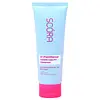
This mild gel cleanser is made to cleanse while calming and soothing your skin.
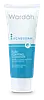
This salicylic acid foaming cleanser is formulated around Salicylic Acid to clear breakouts and unclog pores.

What's inside
What's inside
 Key Ingredients
Benefits
Concerns
Ingredients Side-by-side
Water
Skin ConditioningCocamidopropyl Betaine
Cleansing



Glycerin
Humectant


Acrylates Copolymer
Sodium Methyl Cocoyl Taurate
Cleansing
Potassium Cocoyl Glycinate
Surfactant
Panthenol
Skin Conditioning

Sodium Benzoate
Masking
Allantoin
Skin Conditioning
Citric Acid
Buffering

Potassium Cocoate
Emulsifying
Phenoxyethanol
Preservative
Disodium EDTA
Mannitol
Humectant
Tranexamic Acid
Astringent

Ethylhexylglycerin
Skin ConditioningMicrocrystalline Cellulose
AbsorbentSucrose
Humectant
Zea Mays Starch
Absorbent
Hydroxypropyl Methylcellulose
Emulsion StabilisingMica
Cosmetic ColorantTitanium Dioxide
Cosmetic Colorant

Pentylene Glycol
Skin Conditioning
Bifida Ferment Lysate
Skin Conditioning
Lactobacillus Ferment Lysate
Skin Conditioning
Lactococcus Ferment Lysate
Skin Conditioning
1,2-Hexanediol
Skin Conditioning
Sodium Acetylated Hyaluronate
Humectant

Sodium Hyaluronate
Humectant
Sodium Hyaluronate Crosspolymer
Humectant
Hydrolyzed Sodium Hyaluronate
Skin Conditioning
Water, Cocamidopropyl Betaine, Glycerin, Acrylates Copolymer, Sodium Methyl Cocoyl Taurate, Potassium Cocoyl Glycinate, Panthenol, Sodium Benzoate, Allantoin, Citric Acid, Potassium Cocoate, Phenoxyethanol, Disodium EDTA, Mannitol, Tranexamic Acid, Ethylhexylglycerin, Microcrystalline Cellulose, Sucrose, Zea Mays Starch, Hydroxypropyl Methylcellulose, Mica, Titanium Dioxide, Pentylene Glycol, Bifida Ferment Lysate, Lactobacillus Ferment Lysate, Lactococcus Ferment Lysate, 1,2-Hexanediol, Sodium Acetylated Hyaluronate, Sodium Hyaluronate, Sodium Hyaluronate Crosspolymer, Hydrolyzed Sodium Hyaluronate
Allantoin
Skin Conditioning
Aloe Barbadensis Leaf Extract
Emollient
Water
Skin ConditioningSodium Laureth Sulfate
Cleansing
Cocamidopropyl Betaine
Cleansing
Propylene Glycol
Humectant
Sodium Lauroyl Sarcosinate
CleansingSodium Chloride
MaskingDecyl Glucoside
Cleansing
PEG-120 Methyl Glucose Dioleate
Emulsifying
Acrylates Copolymer
PEG-3 Distearate
Emulsifying
Zinc Gluconate
Skin Conditioning


Salicylic Acid
Masking

DMDM Hydantoin
Preservative
Parfum
Masking

Triethanolamine
BufferingDisodium EDTA
Allantoin, Aloe Barbadensis Leaf Extract, Water, Sodium Laureth Sulfate, Cocamidopropyl Betaine, Propylene Glycol, Sodium Lauroyl Sarcosinate, Sodium Chloride, Decyl Glucoside, PEG-120 Methyl Glucose Dioleate, Acrylates Copolymer, PEG-3 Distearate, Zinc Gluconate, Salicylic Acid, DMDM Hydantoin, Parfum, Triethanolamine, Disodium EDTA
Ingredients Explained
These ingredients are found in both products.
Ingredients higher up in an ingredient list are typically present in a larger amount.
Acrylates Copolymer is used as a film-forming agent and texture enhancer.
After applied, Acrylates Copolymer forms a thin film cover that helps skin feel more soft. It can help sunscreens become more water-resistant.
It is also used to make a product more thick.
Learn more about Acrylates CopolymerAllantoin is a soothing ingredient known for its protective and moisturizing properties; it's basically a quiet workhorse ingredient you can find in a huge range of cosmetics.
Though it can be derived from the comfrey plant, allantoin is produced synthetically for cosmetic products to ensure purity.
Research shows it can encourage your skin cells to turn over and renew by stimulating keratinocyte and fibroblast proliferation.
It also has mild keratolytic properties to help loosen and shed dead skin cells without being harsh.
Studies also suggest allantoin can help calm inflammation by dialing down some of the chemical signals your skin sends out when it is irritated.
This ingredient is typically used in the 0.1-0.5% range, and the FDA recognizes it as a skin protectant in OTC products up to 2%.
Overall, allantoin is a wonderful addition to most routines; it is stable across a wide pH range (~4-8), works well with other ingredients, and is considered non-sensitizing/non-irritating.
Fun fact: Allantoin is naturally occurring in comfrey root, beets, chamomile, and wheat sprouts. Our bodies even produce it as a byproduct of uric acid metabolism.
Learn more about AllantoinCocamidopropyl Betaine is a fatty acid created by mixing similar compounds in coconut oil and dimethylaminopropylamine, a compound with two amino groups.
This ingredient is a surfactant and cleanser. It helps gather the dirt, pollutants, and other impurities in your skin to be washed away. It also helps thicken a product and make the texture more creamy.
Being created from coconut oil means Cocamidopropyl Betaine is hydrating for the skin.
While Cocamidopropyl Betaine was believed to be an allergen, a study from 2012 disproved this. It found two compounds in unpure Cocamidopropyl Betaine to be the irritants: aminoamide and 3-dimethylaminopropylamine. High-grade and pure Cocamidopropyl Betaine did not induce allergic reactions during this study.
Learn more about Cocamidopropyl BetaineDisodium EDTA is a chelating agent. It grabs onto and deactivates metal ions that sneak into your products from water, packaging, or air.
This ingredient mainly works behind the scenes and helps with:
On top of that, this ingredient can counteract the effects of hard water by binding to the minerals in it.
One thing worth knowing is that Disodium EDTA has been shown to be a mild penetration enhancer. It can help other ingredients absorb into skin more effectively which can be a double-edged sword (great for actives, but can also make the active too strong if you have sensitive skin).
Clinical patch testing showed no significant skin irritation at typical use concentrations and minimal dermal absorption.
You'll most likely see this ingredient near the end of an ingredient list. It's typically found in concentrations less than 1%.
Learn more about Disodium EDTAWater. It's the most common cosmetic ingredient of all. You'll usually see it at the top of ingredient lists, meaning that it makes up the largest part of the product.
So why is it so popular? Water most often acts as a solvent - this means that it helps dissolve other ingredients into the formulation.
You'll also recognize water as that liquid we all need to stay alive. If you see this, drink a glass of water. Remember to stay hydrated!
Learn more about Water

