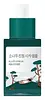
This calming ampoule is formulated around Centella Asiatica Extract and Madecassoside to calm redness and strengthen the skin barrier.
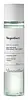
This brightening essence is formulated around Mandelic Acid to brighten dull-looking skin and refine skin texture.

What's inside
What's inside
 Key Ingredients
Benefits
Concerns
No concerns
Ingredients Side-by-side
Pinus Densiflora Leaf Extract
Antimicrobial
Butylene Glycol
Humectant

Dipropylene Glycol
HumectantGlycereth-26
Humectant
Glycerin
Humectant
1,2-Hexanediol
Skin Conditioning
Centella Asiatica Extract
Cleansing



Propanediol
Solvent
Hyaluronic Acid
Humectant
Hydrolyzed Hyaluronic Acid
Humectant
Sodium Hyaluronate
Humectant
Ethylhexylglycerin
Skin ConditioningWater
Skin ConditioningGlycoproteins
Skin Conditioning
Melia Azadirachta Leaf Extract
Skin ConditioningCoptis Japonica Root Extract
Skin ConditioningMelia Azadirachta Flower Extract
Skin ConditioningHydroxyacetophenone
Antioxidant
Asiaticoside
Antioxidant
Asiatic Acid
Skin Conditioning
Madecassoside
Antioxidant
Madecassic Acid
Skin Conditioning
Sodium Citrate
BufferingCapryloyl Salicylic Acid
Exfoliating




Disodium EDTA
Xanthan Gum
EmulsifyingCarbomer
Emulsion StabilisingTromethamine
BufferingCitric Acid
Buffering


Pinus Densiflora Leaf Extract, Butylene Glycol, Dipropylene Glycol, Glycereth-26, Glycerin, 1,2-Hexanediol, Centella Asiatica Extract, Propanediol, Hyaluronic Acid, Hydrolyzed Hyaluronic Acid, Sodium Hyaluronate, Ethylhexylglycerin, Water, Glycoproteins, Melia Azadirachta Leaf Extract, Coptis Japonica Root Extract, Melia Azadirachta Flower Extract, Hydroxyacetophenone, Asiaticoside, Asiatic Acid, Madecassoside, Madecassic Acid, Sodium Citrate, Capryloyl Salicylic Acid, Disodium EDTA, Xanthan Gum, Carbomer, Tromethamine, Citric Acid
Oryza Sativa Bran Water
Masking
Butylene Glycol
Humectant
Dipropylene Glycol
HumectantGlycerin
Humectant
1,2-Hexanediol
Skin Conditioning
Hordeum Vulgare Leaf Extract
Skin ConditioningHordeum Vulgare Extract
EmollientCoix Lacryma-Jobi Ma-Yuen Seed Extract
Skin ConditioningPinus Densiflora Leaf Extract
Antimicrobial
Beta-Glucan
Skin Conditioning
Artemisia Annua Extract
Masking
Betaine
Humectant
Citrus Junos Fruit Extract
Skin ConditioningSuccinic Acid
BufferingMandelic Acid
Antimicrobial
Benzoic Acid
Masking

Benzaldehyde
Masking

Diglycerin
Humectant
Polyglyceryl-10 Laurate
Skin Conditioning
Water
Skin ConditioningCitric Acid
Buffering
Acrylates/C10-30 Alkyl Acrylate Crosspolymer
Emulsion StabilisingGardenia Florida Fruit Extract
Skin ConditioningTocopherol
Antioxidant
Tromethamine
BufferingHydroxyethylcellulose
Emulsion StabilisingMelia Azadirachta Leaf Extract
Skin ConditioningDextrin
AbsorbentMelia Azadirachta Flower Extract
Skin ConditioningEthylhexylglycerin
Skin ConditioningDisodium EDTA
Oryza Sativa Bran Water, Butylene Glycol, Dipropylene Glycol, Glycerin, 1,2-Hexanediol, Hordeum Vulgare Leaf Extract, Hordeum Vulgare Extract, Coix Lacryma-Jobi Ma-Yuen Seed Extract, Pinus Densiflora Leaf Extract, Beta-Glucan, Artemisia Annua Extract, Betaine, Citrus Junos Fruit Extract, Succinic Acid, Mandelic Acid, Benzoic Acid, Benzaldehyde, Diglycerin, Polyglyceryl-10 Laurate, Water, Citric Acid, Acrylates/C10-30 Alkyl Acrylate Crosspolymer, Gardenia Florida Fruit Extract, Tocopherol, Tromethamine, Hydroxyethylcellulose, Melia Azadirachta Leaf Extract, Dextrin, Melia Azadirachta Flower Extract, Ethylhexylglycerin, Disodium EDTA
Reviews
Ingredients Explained
These ingredients are found in both products.
Ingredients higher up in an ingredient list are typically present in a larger amount.
1,2-Hexanediol is a synthetic liquid and another multi-functional powerhouse.
It is a:
- Humectant, drawing moisture into the skin
- Emollient, helping to soften skin
- Solvent, dispersing and stabilizing formulas
- Preservative booster, enhancing the antimicrobial activity of other preservatives
Butylene Glycol (or BG) is used within cosmetic products for a few different reasons:
Overall, Butylene Glycol is a safe and well-rounded ingredient that works well with other ingredients.
Though this ingredient works well with most skin types, some people with sensitive skin may experience a reaction such as allergic rashes, closed comedones, or itchiness.
Learn more about Butylene GlycolCitric Acid is an alpha hydroxy acid (AHA) naturally found in citrus fruits like oranges, lemons, and limes.
Like other AHAs, citric acid can exfoliate skin by breaking down the bonds that hold dead skin cells together. This helps reveal smoother and brighter skin underneath.
However, this exfoliating effect only happens at high concentrations (20%) which can be hard to find in cosmetic products.
Due to this, citric acid is usually included in small amounts as a pH adjuster. This helps keep products slightly more acidic and compatible with skin's natural pH.
In skincare formulas, citric acid can:
While it can provide some skin benefits, research shows lactic acid and glycolic acid are generally more effective and less irritating exfoliants.
Most citric acid used in skincare today is made by fermenting sugars (usually from molasses). This synthetic version is identical to the natural citrus form but easier to stabilize and use in formulations.
Rosacea skin has a lower threshold for acids generally, with 62.5% of rosacea subjects in one study reacting to lactic acid in a sting test. This is why we mark citric acid as a potential rosacea trigger.
However, this ingredient shows up as a pH adjuster or chelator at roughly 0.1-1% in many products. These low levels are unlikely to be an issue for rosacea skin and becomes a potential trigger at exfoliating concentrations (20%). Because everybody's skin is unique, we recommend a patch test if you are unsure.
Learn more about Citric AcidDipropylene Glycol is a synthetically created humectant, stabilizer, and solvent.
This ingredient helps:
Dipropylene glycol is technically an alcohol, but it belongs to the glycol family (often considered part of the ‘good’ alcohols). This means it is hydrating and gentle on skin unlike drying solvent alcohols like denatured alcohol.
As a masking agent, Dipropylene Glycol can be used to cover the smell of other ingredients. However, it does not have a scent.
Studies show Dipropylene Glycol is considered safe to use in skincare.
Learn more about Dipropylene GlycolDisodium EDTA is a chelating agent. It grabs onto and deactivates metal ions that sneak into your products from water, packaging, or air.
This ingredient mainly works behind the scenes and helps with:
On top of that, this ingredient can counteract the effects of hard water by binding to the minerals in it.
One thing worth knowing is that Disodium EDTA has been shown to be a mild penetration enhancer. It can help other ingredients absorb into skin more effectively which can be a double-edged sword (great for actives, but can also make the active too strong if you have sensitive skin).
Clinical patch testing showed no significant skin irritation at typical use concentrations and minimal dermal absorption.
You'll most likely see this ingredient near the end of an ingredient list. It's typically found in concentrations less than 1%.
Learn more about Disodium EDTAEthylhexylglycerin is created from glycerin. It is a multitasker ingredient that:
The CIR Expert Panel found minimal skin absorption or sensitization of any kind in a safety assessment. Though this ingredient is considered well-tolerated, a small number of cases of allergic dermatitis have been published since 2002. Just be sure to patch test if you are unsure.
Industry-reported use ranges from 8% in rinse-off products and 2% in leave-on formulations.
Learn more about EthylhexylglycerinGlycerin (or glycerol) is a compound naturally found in your skin. It's a powerhouse humectant that pulls water into the stratum corneum.
Topically, glycerin does several things at once:
Your skin makes glycerin on its own (mostly from sebaceous oil breakdown) and shuttles it to your outermost layer of skin, or your epidermis, via aquaporin-3.
Aquaporin-3 is a transporter that is essential for normal skin hydration, elasticity, and repair. Interestingly, mice lacking in AQP3 have dry and less elastic skin that can be fully corrected with glycerin.
This ingredient is non-irritating, plays well with almost every ingredient, and works across all skin types. Typical use is anywhere between 3-10% but can go up to 79% in some leave-on products.
Just know very high concentrations (>40%) can feel tacky in low humidity.
Glycerin is the name for this ingredient in American English. British English uses Glycerol/Glycerine.
Learn more about GlycerinMelia Azadirachta Flower Extract is from the Neem tree. Neem trees originate from India.
Melia Azadirachta Flower Extract contains antioxidants. Antioxidants help fight free-radicals. Free-radicals are molecules that may damage your skin cells, such as pollution.
The flowers of this tree are lilac colored.
Learn more about Melia Azadirachta Flower ExtractThis ingredient is also known as neem leaf extract. It contains natural compounds like nimbidin, quercetin, and other polyphenols that give it antibacterial, antifungal, and anti-inflammatory activity.
Lab studies have shown neem leaf extract can inhibit acne-related bacteria and help calm skin. Animal studies on wound gels using 1-3% neem leaf extract found it sped up healing without causing irritation.
A wound-healing study testing gels with the extract at 1%, 2%, and 3% concentrations and found none of them irritated the skin.
Most commercial products also use it in a similar low range (typically under 5%).
Allergy-wise, there are some case reports on neem oil causing allergic contact dermatitis so people with plant/botanical sensitivities may want to patch test first.
Learn more about Melia Azadirachta Leaf ExtractThis ingredient comes from the needles of the pine tree native to Korea and Japan. It's rich in antioxidant compounds like protocatechuic acid and shikimic acid.
Research on human skin fibroblast cells found that the extract inhibited UVB-induced cytotoxicity and suppressed the enzymes that break down collagen and reduce skin elasticity. This extract also inhibited elastase activity which is relevant for maintaining skin firmness over time.
Studies also show that it has antifungal activity against Malassezia furfur. This is the yeast that causes conditions like dandruff, seborrheic dermatitis, and folliculitis (fungal acne). It also displays anti-inflammatory activity.
On top of all this, all tested fractions of the extract demonstrated significant tyrosinase inhibitory activity comparable to ascorbic acid. This suggests it can play a potential role in fading hyperpigmentation.
Learn more about Pinus Densiflora Leaf ExtractTromethamine (aka THAM) is a synthetic amino acid that shows up in skincare as a helper ingredient.
It functions as a pH adjuster to help neutralize acidic ingredients and set a formula's pH to the right spot.
This matters a lot because a lot of actives (like vitamin C) needs a specific pH to work well and feel comfortable on skin.
Concentration use ranges from 0.1-1.0% depending on the formula.
Learn more about TromethamineWater. It's the most common cosmetic ingredient of all. You'll usually see it at the top of ingredient lists, meaning that it makes up the largest part of the product.
So why is it so popular? Water most often acts as a solvent - this means that it helps dissolve other ingredients into the formulation.
You'll also recognize water as that liquid we all need to stay alive. If you see this, drink a glass of water. Remember to stay hydrated!
Learn more about Water

