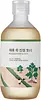
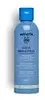
Round Lab Mugwort Calming Toner Versus Apivita Natural Cosmetics Aqua Beelicious Perfecting & Hydrating Toner
This calming toner is formulated around Artemisia Vulgaris Extract and Panthenol to calm redness and hydrate skin.
This hydrating toner is formulated around Propolis Extract and Rosa Canina Fruit Extract to hydrate skin and calm redness.


What's inside
What's inside
 Key Ingredients
Benefits
Concerns
Ingredients Side-by-side
Water
Skin ConditioningDipropylene Glycol
HumectantGlycerin
Humectant


1,2-Hexanediol
Skin Conditioning
Glycereth-26
Humectant
Artemisia Vulgaris Extract
Skin Conditioning

Chondrus Crispus Extract
Skin Conditioning

Saccharum Officinarum Extract
MoisturisingXylitol
Humectant
Artemisia Princeps Leaf Extract
Skin ConditioningChlorella Vulgaris Extract
Skin ConditioningCamellia Sinensis Leaf Extract
Antimicrobial




Salvia Officinalis Oil
Masking
Theobroma Cacao Seed Extract
Antioxidant
Pentylene Glycol
Skin Conditioning
Betaine
Humectant
Panthenol
Skin Conditioning
Propanediol
Solvent
Polyglyceryl-10 Laurate
Skin Conditioning

Ethylhexylglycerin
Skin ConditioningAllantoin
Skin Conditioning
Dipotassium Glycyrrhizate
Humectant
Glucose
Humectant
Butylene Glycol
Humectant
Fructooligosaccharides
Humectant
Fructose
Humectant
Biosaccharide Gum-1
Humectant
Dextrin
AbsorbentMadecassoside
Antioxidant
Tocopherol
Antioxidant

Carbomer
Emulsion StabilisingXanthan Gum
EmulsifyingWater, Dipropylene Glycol, Glycerin, 1,2-Hexanediol, Glycereth-26, Artemisia Vulgaris Extract, Chondrus Crispus Extract, Saccharum Officinarum Extract, Xylitol, Artemisia Princeps Leaf Extract, Chlorella Vulgaris Extract, Camellia Sinensis Leaf Extract, Salvia Officinalis Oil, Theobroma Cacao Seed Extract, Pentylene Glycol, Betaine, Panthenol, Propanediol, Polyglyceryl-10 Laurate, Ethylhexylglycerin, Allantoin, Dipotassium Glycyrrhizate, Glucose, Butylene Glycol, Fructooligosaccharides, Fructose, Biosaccharide Gum-1, Dextrin, Madecassoside, Tocopherol, Carbomer, Xanthan Gum
Water
Skin ConditioningPropanediol
Solvent
Xylitylglucoside
Humectant
Pentylene Glycol
Skin Conditioning
Propolis Extract
Skin Conditioning

Rosa Canina Fruit Extract
Astringent
Aloe Barbadensis Leaf Juice Powder
Skin Conditioning
Honey
Humectant
Chlorella Vulgaris Extract
Skin ConditioningCistus Incanus Flower/Leaf/Stem Extract
Skin ConditioningIris Versicolor Extract
EmollientPEG-60 Almond Glycerides
Emulsifying
Sodium Hyaluronate
Humectant
Glycerin
Humectant
Allantoin
Skin Conditioning
Panthenol
Skin Conditioning
Inulin
Skin Conditioning
Anhydroxylitol
Humectant
Hydroxyacetophenone
Antioxidant
Xylitol
Humectant
Fructose
Humectant
Tetrasodium Glutamate Diacetate
ChelatingCitric Acid
Buffering
Hydroxypropyl Cyclodextrin
MaskingSaccharide Hydrolysate
HumectantLactic Acid
Buffering
Caprylyl Glycol
Emollient
1,2-Hexanediol
Skin Conditioning
Water, Propanediol, Xylitylglucoside, Pentylene Glycol, Propolis Extract, Rosa Canina Fruit Extract, Aloe Barbadensis Leaf Juice Powder, Honey, Chlorella Vulgaris Extract, Cistus Incanus Flower/Leaf/Stem Extract, Iris Versicolor Extract, PEG-60 Almond Glycerides, Sodium Hyaluronate, Glycerin, Allantoin, Panthenol, Inulin, Anhydroxylitol, Hydroxyacetophenone, Xylitol, Fructose, Tetrasodium Glutamate Diacetate, Citric Acid, Hydroxypropyl Cyclodextrin, Saccharide Hydrolysate, Lactic Acid, Caprylyl Glycol, 1,2-Hexanediol
Reviews
Ingredients Explained
These ingredients are found in both products.
Ingredients higher up in an ingredient list are typically present in a larger amount.
1,2-Hexanediol is a synthetic liquid and another multi-functional powerhouse.
It is a:
- Humectant, drawing moisture into the skin
- Emollient, helping to soften skin
- Solvent, dispersing and stabilizing formulas
- Preservative booster, enhancing the antimicrobial activity of other preservatives
Allantoin is a soothing ingredient known for its protective and moisturizing properties; it's basically a quiet workhorse ingredient you can find in a huge range of cosmetics.
Though it can be derived from the comfrey plant, allantoin is produced synthetically for cosmetic products to ensure purity.
Research shows it can encourage your skin cells to turn over and renew by stimulating keratinocyte and fibroblast proliferation.
It also has mild keratolytic properties to help loosen and shed dead skin cells without being harsh.
Studies also suggest allantoin can help calm inflammation by dialing down some of the chemical signals your skin sends out when it is irritated.
This ingredient is typically used in the 0.1-0.5% range, and the FDA recognizes it as a skin protectant in OTC products up to 2%.
Overall, allantoin is a wonderful addition to most routines; it is stable across a wide pH range (~4-8), works well with other ingredients, and is considered non-sensitizing/non-irritating.
Fun fact: Allantoin is naturally occurring in comfrey root, beets, chamomile, and wheat sprouts. Our bodies even produce it as a byproduct of uric acid metabolism.
Learn more about AllantoinChlorella Vulgaris Extract comes from a single-celled green freshwater algae.
The version used in skincare is almost always a water or glycerin-based extract that is basically the algae's amino acids, peptides, sugars, and chlorophyll pigments.
It acts as a skin-conditioning agent and the research behind it at this time is mostly lab-dish rather than human trials.
Isolated Chlorella peptides inhibit collagenase and elastase (the enzymes that chew up collagen and elastin) and mop up free radicals in test-tube assays. Another study found a Chlorella gel sped up wound healing in mice. Many of the firming or dark-circle claims come from the ingredient supplier's own studies.
Suppliers suggest using 1-2% of the trade version (Water/Glycerin + Chlorella Vulgaris Extract) in a finished formula which means the actual algae solids are a fraction of a percent.
Allergy risk is low and topical reactions are rare; the 2020 anaphylaxis case came from eating Chlorella supplements and not from putting it on skin.
However, patch testing is sensible if you have reacted to algae before.
The "chlorella is high in iodine so it breaks you out" line borrows from marine seaweed. Freshwater Chlorella isn't a notable iodine source unless it's deliberately grown in iodine-enriched medium.
Just so you know, many lists give algae a comedogenic rating of 5 and that number doesn't come from anywhere; it's not in the original rabbit-ear studies that most comedogenic ratings trace back to.
The reasoning behind the reputation is that seaweed is high in iodine and iodine can trigger acne-like breakouts when eaten. This traces back to a 1976 letter in Archives of Dermatology describing two women whose breakouts cleared after they stopped taking high-dose kelp supplements orally.
And the reaction of these two women wasn't clogged pores at all: it was an iodine-triggered pustular rash. Later research found normal dietary iodine doesn't meaningfully affect acne either and nobody has shown topical algae delivers enough iodine to matter.
Learn more about Chlorella Vulgaris ExtractGlycerin (or glycerol) is a compound naturally found in your skin. It's a powerhouse humectant that pulls water into the stratum corneum.
Topically, glycerin does several things at once:
Your skin makes glycerin on its own (mostly from sebaceous oil breakdown) and shuttles it to your outermost layer of skin, or your epidermis, via aquaporin-3.
Aquaporin-3 is a transporter that is essential for normal skin hydration, elasticity, and repair. Interestingly, mice lacking in AQP3 have dry and less elastic skin that can be fully corrected with glycerin.
This ingredient is non-irritating, plays well with almost every ingredient, and works across all skin types. Typical use is anywhere between 3-10% but can go up to 79% in some leave-on products.
Just know very high concentrations (>40%) can feel tacky in low humidity.
Glycerin is the name for this ingredient in American English. British English uses Glycerol/Glycerine.
Learn more about GlycerinPanthenol is a common ingredient that helps hydrate and soothe the skin. It is found naturally in our skin and hair.
There are two forms of panthenol: D and L.
D-panthenol is also known as dexpanthenol. Most cosmetics use dexpanthenol or a mixture of D and L-panthenol.
Panthenol is famous due to its ability to go deeper into the skin's layers. Using this ingredient has numerous pros (and no cons):
Like hyaluronic acid, panthenol is a humectant. Humectants are able to bind and hold large amounts of water to keep skin hydrated.
This ingredient works well for wound healing. It works by increasing tissue in the wound and helps close open wounds.
Once oxidized, panthenol converts to pantothenic acid. Panthothenic acid is found in all living cells.
This ingredient is also referred to as pro-vitamin B5.
Learn more about PanthenolPentylene Glycol (1,2-pentanediol) is a multitasking little diol with three main roles in a formula:
Research on alkanediols (the family pentylene glycol belongs to) show they work by disrupting microbial cell membranes. This disruption helps the primary preservative system in a product work more effectively at lower doses.
On the safety side, the Cosmetic Ingredient Review Expert Panel has concluded this ingredient to be safe as used in current cosmetic practices + concentrations.
Typical use levels in a formula run about 1-5%.
Learn more about Pentylene GlycolPropanediol is an all-star ingredient. It softens, hydrates, and smooths the skin.
It’s often used to:
Propanediol is not likely to cause sensitivity and considered safe to use. It is derived from corn or petroleum with a clear color and no scent.
Learn more about PropanediolWater. It's the most common cosmetic ingredient of all. You'll usually see it at the top of ingredient lists, meaning that it makes up the largest part of the product.
So why is it so popular? Water most often acts as a solvent - this means that it helps dissolve other ingredients into the formulation.
You'll also recognize water as that liquid we all need to stay alive. If you see this, drink a glass of water. Remember to stay hydrated!
Learn more about WaterXylitol is a humectant and prebiotic. It can help with dry skin.
In studies, xylitol has been shown to improve dry skin. It decreased transepidermal water loss, or when water passes through the skin and evaporates. Xylitol also showed to help improve the biomechanical properties of the skin barrier.
The prebiotic property of xylitol may also help reinforce our skin's natural microbiome. Having a healthy microbiome prevents infection by bad bacteria and helps with hydration.
As a humectant, Xylitol helps draw moisture from both the air and from deeper skin layers. This helps keep skin hydrated.
Xylitol is a sugar alcohol and commonly used as a sugar substitute. It is naturally occurring in plants such as strawberries and pumpkin.
Learn more about Xylitol

