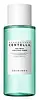
This acne toner is formulated around Melaleuca Alternifolia Leaf Water and Centella Asiatica Extract to clear breakouts and balance excess oil.
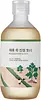
This calming toner is formulated around Artemisia Vulgaris Extract and Panthenol to calm redness and hydrate skin.

What's inside
What's inside
 Key Ingredients
Benefits
Concerns
Ingredients Side-by-side
Water
Skin ConditioningChamaecyparis Obtusa Water
MaskingMelaleuca Alternifolia Leaf Water
Antimicrobial


Butylene Glycol
Humectant

Centella Asiatica Extract
Cleansing



Propanediol
Solvent
Pinus Palustris Leaf Extract
TonicMethyl Gluceth-20
Humectant
1,2-Hexanediol
Skin Conditioning
Hydroxyacetophenone
Antioxidant
Carbomer
Emulsion StabilisingPolyglyceryl-10 Laurate
Skin Conditioning

Tromethamine
BufferingPentylene Glycol
Skin Conditioning
Ethylhexylglycerin
Skin ConditioningCaprylyl Glycol
Emollient
Citric Acid
Buffering

Disodium EDTA
ChelatingMelaleuca Alternifolia Leaf Oil
Antioxidant




Sodium Citrate
BufferingSalicylic Acid
Masking



Castanea Crenata Shell Extract
Skin ConditioningLavandula Angustifolia Flower Extract
Cleansing
Water, Chamaecyparis Obtusa Water, Melaleuca Alternifolia Leaf Water, Butylene Glycol, Centella Asiatica Extract, Propanediol, Pinus Palustris Leaf Extract, Methyl Gluceth-20, 1,2-Hexanediol, Hydroxyacetophenone, Carbomer, Polyglyceryl-10 Laurate, Tromethamine, Pentylene Glycol, Ethylhexylglycerin, Caprylyl Glycol, Citric Acid, Disodium EDTA, Melaleuca Alternifolia Leaf Oil, Sodium Citrate, Salicylic Acid, Castanea Crenata Shell Extract, Lavandula Angustifolia Flower Extract
Water
Skin ConditioningDipropylene Glycol
HumectantGlycerin
Humectant
1,2-Hexanediol
Skin Conditioning
Glycereth-26
Humectant
Artemisia Vulgaris Extract
Skin Conditioning
Chondrus Crispus Extract
Skin Conditioning
Saccharum Officinarum Extract
MoisturisingXylitol
Humectant
Artemisia Princeps Leaf Extract
Skin ConditioningChlorella Vulgaris Extract
Skin ConditioningCamellia Sinensis Leaf Extract
Antimicrobial
Salvia Officinalis Oil
Masking
Theobroma Cacao Seed Extract
Antioxidant
Pentylene Glycol
Skin Conditioning
Betaine
Humectant
Panthenol
Skin Conditioning
Propanediol
Solvent
Polyglyceryl-10 Laurate
Skin Conditioning
Ethylhexylglycerin
Skin ConditioningAllantoin
Skin Conditioning
Dipotassium Glycyrrhizate
Humectant
Glucose
Humectant
Butylene Glycol
Humectant
Fructooligosaccharides
Humectant
Fructose
Humectant
Biosaccharide Gum-1
Humectant
Dextrin
AbsorbentMadecassoside
Antioxidant
Tocopherol
Antioxidant

Carbomer
Emulsion StabilisingXanthan Gum
EmulsifyingWater, Dipropylene Glycol, Glycerin, 1,2-Hexanediol, Glycereth-26, Artemisia Vulgaris Extract, Chondrus Crispus Extract, Saccharum Officinarum Extract, Xylitol, Artemisia Princeps Leaf Extract, Chlorella Vulgaris Extract, Camellia Sinensis Leaf Extract, Salvia Officinalis Oil, Theobroma Cacao Seed Extract, Pentylene Glycol, Betaine, Panthenol, Propanediol, Polyglyceryl-10 Laurate, Ethylhexylglycerin, Allantoin, Dipotassium Glycyrrhizate, Glucose, Butylene Glycol, Fructooligosaccharides, Fructose, Biosaccharide Gum-1, Dextrin, Madecassoside, Tocopherol, Carbomer, Xanthan Gum
Reviews
Ingredients Explained
These ingredients are found in both products.
Ingredients higher up in an ingredient list are typically present in a larger amount.
1,2-Hexanediol is a synthetic liquid and another multi-functional powerhouse.
It is a:
- Humectant, drawing moisture into the skin
- Emollient, helping to soften skin
- Solvent, dispersing and stabilizing formulas
- Preservative booster, enhancing the antimicrobial activity of other preservatives
Butylene Glycol (or BG) is used within cosmetic products for a few different reasons:
Overall, Butylene Glycol is a safe and well-rounded ingredient that works well with other ingredients.
Though this ingredient works well with most skin types, some people with sensitive skin may experience a reaction such as allergic rashes, closed comedones, or itchiness.
Learn more about Butylene GlycolCarbomer is a synthetic thickening and gelling agent. It's basically the ingredient that gives a lot of serums, gels, creams, and sunscreens their smooth, non-sticky texture.
Although legally permitted at very high levels, carbomers are normally used at concentrations below 1%.
It also needs to be neutralized to actually thicken, and because it is a large molecule, it doesn't really penetrate the skin barrier.
Allergy-wise, the risk is very low. Clinical studies show carbomers have low potential for skin irritation/sensitization even at concentrations up to 100%.
A 2024 UK study patch-tested 1,302 patients and found true allergy to the parent group of carbomer to be rare with no confirmed relevant reactions.
Learn more about CarbomerEthylhexylglycerin is created from glycerin. It is a multitasker ingredient that:
The CIR Expert Panel found minimal skin absorption or sensitization of any kind in a safety assessment. Though this ingredient is considered well-tolerated, a small number of cases of allergic dermatitis have been published since 2002. Just be sure to patch test if you are unsure.
Industry-reported use ranges from 8% in rinse-off products and 2% in leave-on formulations.
Learn more about EthylhexylglycerinPentylene Glycol (1,2-pentanediol) is a multitasking little diol with three main roles in a formula:
Research on alkanediols (the family pentylene glycol belongs to) show they work by disrupting microbial cell membranes. This disruption helps the primary preservative system in a product work more effectively at lower doses.
On the safety side, the Cosmetic Ingredient Review Expert Panel has concluded this ingredient to be safe as used in current cosmetic practices + concentrations.
Typical use levels in a formula run about 1-5%.
Learn more about Pentylene GlycolPolyglyceryl-10 Laurate is a cleansing agent and emulsifier.
It rounds up dirt, oil, and grime, so they can be rinsed off easily as a cleanser.
On the emulsifier side, it keeps your formula smooth and well-mixed by playing peacekeeper for ingredients that don't naturally get along (like oil and water).
Because it has a C12 (lauric acid) fatty acid chain, this ingredient can potentially feed the Malassezia yeast that causes fungal acne. The Malassezia yeast prefers esters with C11-C24 fatty acids.
This ingredient is an ester of lauric acid and Polyglycerin-10.
Learn more about Polyglyceryl-10 LauratePropanediol is an all-star ingredient. It softens, hydrates, and smooths the skin.
It’s often used to:
Propanediol is not likely to cause sensitivity and considered safe to use. It is derived from corn or petroleum with a clear color and no scent.
Learn more about PropanediolWater. It's the most common cosmetic ingredient of all. You'll usually see it at the top of ingredient lists, meaning that it makes up the largest part of the product.
So why is it so popular? Water most often acts as a solvent - this means that it helps dissolve other ingredients into the formulation.
You'll also recognize water as that liquid we all need to stay alive. If you see this, drink a glass of water. Remember to stay hydrated!
Learn more about Water

