

What's inside
What's inside
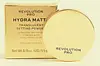 Key Ingredients
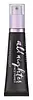
Benefits
Concerns
Ingredients Side-by-side
Bis-Diglyceryl Polyacyladipate-2
Emollient


Octyldodecanol
Emollient
Caprylic/Capric Triglyceride
Masking

Silica Dimethyl Silylate
EmollientOzokerite
Emulsion StabilisingTridecyl Trimellitate
EmollientPolyethylene
Abrasive

Stearalkonium Hectorite
Gel FormingPropylene Carbonate
SolventTocopheryl Acetate
Antioxidant


Pentaerythrityl Tetraisostearate
Emollient
Ethylhexyl Palmitate
Emollient

Tribehenin
Emollient
Sorbitan Isostearate
Emulsifying
Trihydroxystearin
Skin Conditioning
Butylene Glycol
Humectant
Sodium Chondroitin Sulfate
Skin ConditioningCaprylyl Glycol
Emollient
Atelocollagen
Skin Conditioning
Sodium Hyaluronate
Humectant

Hexylene Glycol
EmulsifyingPalmitoyl Oligopeptide
Cleansing
Phenoxyethanol
Preservative
CI 77891
Cosmetic ColorantCI 77492
Cosmetic ColorantCI 77491
Cosmetic ColorantCI 77499
Cosmetic ColorantBis-Diglyceryl Polyacyladipate-2, Octyldodecanol, Caprylic/Capric Triglyceride, Silica Dimethyl Silylate, Ozokerite, Tridecyl Trimellitate, Polyethylene, Stearalkonium Hectorite, Propylene Carbonate, Tocopheryl Acetate, Pentaerythrityl Tetraisostearate, Ethylhexyl Palmitate, Tribehenin, Sorbitan Isostearate, Trihydroxystearin, Butylene Glycol, Sodium Chondroitin Sulfate, Caprylyl Glycol, Atelocollagen, Sodium Hyaluronate, Hexylene Glycol, Palmitoyl Oligopeptide, Phenoxyethanol, CI 77891, CI 77492, CI 77491, CI 77499
Water
Skin ConditioningButylene Glycol
Humectant
Polyacrylamide
Ethylhexyl Palmitate
Emollient
Glycerin
Humectant
C13-14 Isoparaffin
Emollient
Phenoxyethanol
Preservative
Caprylyl Glycol
Emollient
Pullulan
Laureth-7
EmulsifyingTocopheryl Acetate
Antioxidant
Tetrahexyldecyl Ascorbate
Antioxidant


Silica Dimethyl Silylate
EmollientNannochloropsis Oculata Extract
HumectantCarbomer
Emulsion StabilisingSodium Lactate
Buffering
Potassium Sorbate
Preservative
Triethanolamine
BufferingSodium Benzoate
Masking
Litchi Chinensis Pericarp Extract
Skin ConditioningPolysorbate 20
Emulsifying
Sodium Hyaluronate
Humectant
Hexylene Glycol
EmulsifyingPalmitoyl Tripeptide-1
Skin Conditioning
Palmitoyl Tetrapeptide-7
Skin Conditioning
Water, Butylene Glycol, Polyacrylamide, Ethylhexyl Palmitate, Glycerin, C13-14 Isoparaffin, Phenoxyethanol, Caprylyl Glycol, Pullulan, Laureth-7, Tocopheryl Acetate, Tetrahexyldecyl Ascorbate, Silica Dimethyl Silylate, Nannochloropsis Oculata Extract, Carbomer, Sodium Lactate, Potassium Sorbate, Triethanolamine, Sodium Benzoate, Litchi Chinensis Pericarp Extract, Polysorbate 20, Sodium Hyaluronate, Hexylene Glycol, Palmitoyl Tripeptide-1, Palmitoyl Tetrapeptide-7
Ingredients Explained
These ingredients are found in both products.
Ingredients higher up in an ingredient list are typically present in a larger amount.
Butylene Glycol (or BG) is used within cosmetic products for a few different reasons:
Overall, Butylene Glycol is a safe and well-rounded ingredient that works well with other ingredients.
Though this ingredient works well with most skin types, some people with sensitive skin may experience a reaction such as allergic rashes, closed comedones, or itchiness.
Learn more about Butylene GlycolCaprylyl Glycol is a humectant, skin conditioner, emollient, and preservative booster derived from either caprylic acid or synthetically created.
Typical use levels vary from 0.3-1% as a preservative booster and go up to 2% to condition skin.
Because it is not a free-fatty acid, this ingredient is fungal acne safe (there's nothing for Malassezia to feed on).
Learn more about Caprylyl GlycolEthylhexyl Palmitate, also known as octyl palmitate, is created from 2-ethylhexyl alcohol and palmitic acid.
In cosmetics, it plays many roles:
One thing worth noting: a controlled study found this ingredient applied under occlusion to acne-prone subjects increased microcomedones. Just keep in mind this was under occlusive conditions and don't reflect how most products are used day-to-day.
For most people, this is a well-tolerated and lightweight ingredient.
This ingredient may not be fungal acne safe because it is an ester of palmitic acid, a C16 fatty acid that falls within the C11-24 range that Malassezia can metabolize.
You'll see this one rated 4 comedogenic all over the internet. That number isn't from a single study, and the actual research is more interesting.
The original rating comes from 1980s rabbit ear tests (which are a shaky basis for anything). But Ethylhexyl Palmitate is one of the few ingredients with real human data behind it. A 2021 controlled trial found this ingredient increased microcomedones by an average of 365% over four weeks.
Just know that test used the pure ingredient under an occlusive pad on back skin; most products use it at much lower levels alongside other ingredients and plenty of people use those with no issue.
Learn more about Ethylhexyl PalmitateHexylene Glycol is a multitasker ingredient that works as a solvent, humectant, emulsifier, viscosity reducer, and preservative booster.
It is able to dissolve both water and oil-soluble ingredients to stabilize tricky actives and make products spread more easily.
As a humectant, it pulls water into the skin. But it's a pretty minor moisturizing ingredient compared to other humectants, like glycerin.
Interestingly, it can act as a mild penetration enhancer. One in vitro study on human skin found a 12% concentration upped the absorption of mometasone furoate (a medicinal ingredient used to treat inflammatory skin conditions) up to 7%.
This ingredient is typically used at levels of 0.1-10% depending on the role it's playing.
A patch test study on eczema patients didn't find a significant increase in irritation versus the control group, but the potential for irritation rises at higher concentrations.
Learn more about Hexylene GlycolPhenoxyethanol is one of the most widely used preservatives in skincare (and for good reason!).
It has a large spectrum of antimicrobial activity and especially effective bacteria, yeast, and mold while only having a weak effect on your skin's natural microbiome.
On a cellular level, it disrupts the cell membranes of microbes by poking holes that make the cell leak. This shuts down the chemical reactions the microbe needs to make energy so it can no longer survive.
Another perk of this ingredient is that it stays functional across a wide pH range (3-10).
You'll often see it paired with boosters like Ethylhexylglycerin; one study showed that a 1:9 ratio of Ethylhexylglycerin to Phenoxyethanol damages bacterial membranes as effectively as doubling the Phenoxyethanol concentration on its own.
Typical use concentrations range from 0.3-1% depending on the formula, and this ingredient is capped at 1% int the EU.
Safety-wise, the fear mongering does not hold up to the evidence. The EU's Scientific Committee on Consumer Safety and FDA consider it safe as a preservative at up to 1%, including for children of all ages.
Adverse systemic effects only showed up in animal studies at exposures roughly 200x higher than what people get from cosmetics. And despite its very widespread use, this ingredient is a rare sensitizer and allergic reactions are uncommon.
Learn more about PhenoxyethanolThis silica is mainly used to thicken oils and suspend particles in oils. It is not water soluble.
According to the manufacturer, it:
The manufacturer also claims this ingredient to be useful in makeup.
In lipstick formulations, this ingredient improves color payoff, reduces pigment settling, and reduces oil bleeding. This ingredient also improves the grip of powder products such as dry shampoos.
Learn more about Silica Dimethyl SilylateSodium Hyaluronate is the salt form of hyaluronic acid. It is a long sugar chain that is naturally found in your skin, joints, and connective tissue that maintains hydration and elasticity.
In skincare, it works as a humectant. It pulls water from the environment and deeper layers of skin and binds it to the surface.
Interestingly, the size of the molecule affects its behavior:
Some clinical evidence links low molecular weight versions to improved wrinkle depth, elasticity, anti-inflammatory effects, and barrier repair.
Many serums use a blend of both weights so you can get surface hydration plus longer-lasting and deeper effects.
You'll typically see concentrations between 0.1-2% for this ingredient.
Learn more about Sodium HyaluronateTocopheryl Acetate is a stable, shelf-friendly form of vitamin E.
Formulators love it because plain vitamin E oxidizes quickly once it hits air. This acetate version stays stable and resists going off, helping to extend a product's shelf life.
It's actually inactive on its own and works like a slow-release "storage" form; the enzymes in your skin called esterases gradually convert it into active vitamin E over time.
One in vivo study showed 5% of the acetate in the living layer of the epidermis converted to vitamin E after 5 days of application. This study also found the skin gained protection against UV damage even though the conversion was slow and small.
Once converted, vitamin E acts as a skin's main fat-soluble antioxidant that fights free radicals to protect skin from damage.
Topical vitamin E generally boosts the skin's photoprotection, and it reduced UV-damage in animal models.
This ingredient has some brightening potential but it's more of a prevention ingredient than spot-fader. Cell studies show it can slow down melanin production but it's worth noting that it's not the most powerful brightener out there.
Overall, it has a pretty solid safety profile and has been found to be non-irritating and non-comedogenic. Allergic reactions may happen but stay rare due to how widely the ingredient gets used.
The concentration will vary depending on the formula; industry data shows 0.1% in baby lotions, 3% in lipsticks, and 5% in foot powders. You can also find this ingredient at 100% in a pure vitamin E oil.
Most leave-on skincare keeps it at the lower end, often between 0.5-1%.
Learn more about Tocopheryl Acetate

