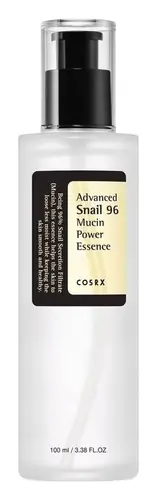
This anti-aging serum is formulated around Aloe Barbadensis Leaf Juice and Centella Asiatica Extract to soften the look of wrinkles and refine skin texture.
This anti-aging serum is formulated around Panthenol and Hyaluronic Acid to soften the look of wrinkles and strengthen the skin barrier.

What's inside
What's inside
 Key Ingredients
Benefits
Concerns
No concerns
Ingredients Side-by-side
Water
Skin ConditioningAloe Barbadensis Leaf Juice
Skin Conditioning


Glycerin
Humectant

Hydrolyzed Caesalpinia Spinosa Gum
AbsorbentCaesalpinia Spinosa Gum
Skin ConditioningHamamelis Virginiana Water
Astringent



Dimethyl Sulfone
SolventSea Water Extract
Skin ConditioningUbiquinone
Antioxidant

Simmondsia Chinensis Seed Oil
Emollient

Centella Asiatica Extract
Cleansing
Sodium PCA
Humectant
Sodium Lactate
Buffering
Arginine
Masking
Aspartic Acid
Masking
Glycine
Buffering
Alanine
Masking
Serine
Masking
Valine
MaskingIsoleucine
Skin ConditioningProline
Skin Conditioning
Threonine
Histidine
Humectant
Phenylalanine
Masking
Teprenone
Skin ConditioningGlycine Soja Protein
EmulsifyingHydrolyzed Rice Protein
Skin ConditioningSuperoxide Dismutase
Antioxidant
Cycloastragenol
Kappaphycus Alvarezii Extract
Skin Conditioning
Equisetum Arvense Extract
AstringentGeranium Maculatum Extract
TonicTaraxacum Officinale Extract
Skin ConditioningAchillea Millefolium Extract
CleansingChondrus Crispus Extract
Skin Conditioning
Curcuma Longa Rhizome Extract
Skin ConditioningSpirulina Maxima Extract
Smoothing4-T-Butylcyclohexanol
Masking

Tripeptide-10 Citrulline
Skin Conditioning
Acetyl Octapeptide-3
Humectant
Palmitoyl Hexapeptide-12
Skin Conditioning
Acetyl Tetrapeptide-11
Skin Conditioning
Acetyl Hexapeptide-8
Humectant
Acetyl Hexapeptide-1
Skin Conditioning
Palmitoyl Oligopeptide
Cleansing
Palmitoyl Tripeptide-1
Skin Conditioning
Palmitoyl Tetrapeptide-7
Skin Conditioning
Hexapeptide-11
Skin Conditioning
Dipeptide Diaminobutyroyl Benzylamide Diacetate
Skin Conditioning
Palmitoyl Tripeptide-5
Skin Conditioning
Trifluoroacetyl Tripeptide-2
Skin Conditioning
Carnosine
Skin Conditioning
Pentapeptide-18
Skin Conditioning
Tripeptide-1
Skin Conditioning
Copper Tripeptide-1
Skin Conditioning
Tripeptide-32
Skin Conditioning
Hexapeptide-9
Skin Conditioning
Hexapeptide-10
Humectant
Tetradecyl Aminobutyroylvalylaminobutyric Urea Trifluoroacetate
Skin ConditioningAcetyl Tetrapeptide-5
Humectant
Acetyl Tetrapeptide-40
Skin Conditioning
Caprylic/Capric Triglyceride
Masking
Acrylates/C10-30 Alkyl Acrylate Crosspolymer
Emulsion StabilisingHydroxyethylcellulose
Emulsion StabilisingLecithin
Emollient
Tocopheryl Acetate
Antioxidant
Carrageenan

Pentylene Glycol
Skin Conditioning
Potassium Sorbate
Preservative
Sodium Benzoate
Masking
Sodium Hydroxide
BufferingEthylhexylglycerin
Skin ConditioningTetrasodium EDTA
ChelatingWater, Aloe Barbadensis Leaf Juice, Glycerin, Hydrolyzed Caesalpinia Spinosa Gum, Caesalpinia Spinosa Gum, Hamamelis Virginiana Water, Dimethyl Sulfone, Sea Water Extract, Ubiquinone, Simmondsia Chinensis Seed Oil, Centella Asiatica Extract, Sodium PCA, Sodium Lactate, Arginine, Aspartic Acid, Glycine, Alanine, Serine, Valine, Isoleucine, Proline, Threonine, Histidine, Phenylalanine, Teprenone, Glycine Soja Protein, Hydrolyzed Rice Protein, Superoxide Dismutase, Cycloastragenol, Kappaphycus Alvarezii Extract, Equisetum Arvense Extract, Geranium Maculatum Extract, Taraxacum Officinale Extract, Achillea Millefolium Extract, Chondrus Crispus Extract, Curcuma Longa Rhizome Extract, Spirulina Maxima Extract, 4-T-Butylcyclohexanol, Tripeptide-10 Citrulline, Acetyl Octapeptide-3, Palmitoyl Hexapeptide-12, Acetyl Tetrapeptide-11, Acetyl Hexapeptide-8, Acetyl Hexapeptide-1, Palmitoyl Oligopeptide, Palmitoyl Tripeptide-1, Palmitoyl Tetrapeptide-7, Hexapeptide-11, Dipeptide Diaminobutyroyl Benzylamide Diacetate, Palmitoyl Tripeptide-5, Trifluoroacetyl Tripeptide-2, Carnosine, Pentapeptide-18, Tripeptide-1, Copper Tripeptide-1, Tripeptide-32, Hexapeptide-9, Hexapeptide-10, Tetradecyl Aminobutyroylvalylaminobutyric Urea Trifluoroacetate, Acetyl Tetrapeptide-5, Acetyl Tetrapeptide-40, Caprylic/Capric Triglyceride, Acrylates/C10-30 Alkyl Acrylate Crosspolymer, Hydroxyethylcellulose, Lecithin, Tocopheryl Acetate, Carrageenan, Pentylene Glycol, Potassium Sorbate, Sodium Benzoate, Sodium Hydroxide, Ethylhexylglycerin, Tetrasodium EDTA


Ingredients Explained
These ingredients are found in both products.
Ingredients higher up in an ingredient list are typically present in a larger amount.
Arginine is a semi-essential amino acid. This just means our bodies can product a bit on its own, but sometimes needs a little boost from food sources.
It is a part of your skin's natural moisturizing factor (NMF), or the water-loving molecules in your outermost layer of skin (stratum corneum) that keeps everything hydrated and happy.
Here's an interesting thing about Arginine: your skin converts it into urea through the Krebs-Henseleit urea cycle. Urea is one of the most effective humectants your skin naturally produces.
A clinical study showed applying 2.5% arginine hydrochloride to atopic dermatitis skin showed significant urea levels in the stratum corneum and improved moisture in just four weeks.
Arginine is also a precursor to nitric oxide; nitric oxide improves microcirculation and supports wound healing and collagen synthesis.
One study found that an amino acid complex containing Arginine reduced skin irritation, improved hydration, and accelerated skin repair in clinical / in-vivo studies.
Arginine itself is an amino acid and not a fatty acid, oil, or ester. On its own, it's not a direct food source for Malassezia, or the yeast that causes fungal acne.
Learn more about ArginineGlycerin (or glycerol) is a compound naturally found in your skin. It's a powerhouse humectant that pulls water into the stratum corneum.
Topically, glycerin does several things at once:
Your skin makes glycerin on its own (mostly from sebaceous oil breakdown) and shuttles it to your outermost layer of skin, or your epidermis, via aquaporin-3.
Aquaporin-3 is a transporter that is essential for normal skin hydration, elasticity, and repair. Interestingly, mice lacking in AQP3 have dry and less elastic skin that can be fully corrected with glycerin.
This ingredient is non-irritating, plays well with almost every ingredient, and works across all skin types. Typical use is anywhere between 3-10% but can go up to 79% in some leave-on products.
Just know very high concentrations (>40%) can feel tacky in low humidity.
Glycerin is the name for this ingredient in American English. British English uses Glycerol/Glycerine.
Learn more about GlycerinPentylene Glycol (1,2-pentanediol) is a multitasking little diol with three main roles in a formula:
Research on alkanediols (the family pentylene glycol belongs to) show they work by disrupting microbial cell membranes. This disruption helps the primary preservative system in a product work more effectively at lower doses.
On the safety side, the Cosmetic Ingredient Review Expert Panel has concluded this ingredient to be safe as used in current cosmetic practices + concentrations.
Typical use levels in a formula run about 1-5%.
Learn more about Pentylene GlycolWater. It's the most common cosmetic ingredient of all. You'll usually see it at the top of ingredient lists, meaning that it makes up the largest part of the product.
So why is it so popular? Water most often acts as a solvent - this means that it helps dissolve other ingredients into the formulation.
You'll also recognize water as that liquid we all need to stay alive. If you see this, drink a glass of water. Remember to stay hydrated!
Learn more about Water