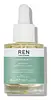
This barrier-repair oil is formulated around Oryza Sativa Bran Oil and Rosa Canina Fruit Oil to strengthen the skin barrier and calm redness.
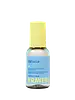
This barrier-repair serum is formulated around Rosa Canina Fruit Oil and Vitis Vinifera Seed Oil to strengthen the skin barrier and hydrate skin.


What's inside
What's inside
 Key Ingredients
Benefits
Concerns
Ingredients Side-by-side


Water
Skin ConditioningHelianthus Annuus Seed Oil
Emollient



Rosa Canina Fruit Oil
Emollient

Vitis Vinifera Seed Oil
Emollient
Butylene Glycol
Humectant
1,2-Hexanediol
Skin Conditioning
Caprylic/Capric Triglyceride
Masking
Polyglyceryl-6 Stearate
Emollient
Ethylhexyl Pelargonate
EmollientSimmondsia Chinensis Seed Oil
Emollient
Microcrystalline Cellulose
AbsorbentSodium Stearoyl Glutamate
CleansingPolyglyceryl-6 Behenate
Emulsion Stabilising
Sphingomonas Ferment Extract
Skin Conditioning
Sodium Polyacryloyldimethyl Taurate
Emulsion StabilisingPyrus Communis Fruit Extract
Skin ConditioningLecithin
Emollient
Rosa Damascena Flower Water
Masking
Hydrogenated Polydecene
EmollientCellulose Gum
Emulsion StabilisingEthylhexylglycerin
Skin ConditioningIris Florentina Root Extract
MaskingCucumis Melo Seed Extract
Skin ConditioningHedera Helix Leaf/Stem Extract
AntimicrobialDisodium EDTA
ChelatingAcetyl Glutamine
Skin ConditioningLithospermum Erythrorhizon Root Extract
Skin ConditioningCaprylyl/Capryl Glucoside
CleansingCamellia Sinensis Leaf Extract
Antimicrobial




Bacillus/Folic Acid Ferment Filtrate Extract
Antioxidant
Caprylyl Glycol
Emollient
Sodium Hyaluronate
Humectant
Madecassoside
Antioxidant
Asiaticoside
Antioxidant
Asiatic Acid
Skin Conditioning
Madecassic Acid
Skin Conditioning
Sh-Oligopeptide-1
Skin Conditioning
Sh-Oligopeptide-2
Skin Conditioning
Sh-Polypeptide-1
Skin Conditioning
Sh-Polypeptide-11
Sh-Polypeptide-9
Skin Conditioning
Water, Helianthus Annuus Seed Oil, Rosa Canina Fruit Oil, Vitis Vinifera Seed Oil, Butylene Glycol, 1,2-Hexanediol, Caprylic/Capric Triglyceride, Polyglyceryl-6 Stearate, Ethylhexyl Pelargonate, Simmondsia Chinensis Seed Oil, Microcrystalline Cellulose, Sodium Stearoyl Glutamate, Polyglyceryl-6 Behenate, Sphingomonas Ferment Extract, Sodium Polyacryloyldimethyl Taurate, Pyrus Communis Fruit Extract, Lecithin, Rosa Damascena Flower Water, Hydrogenated Polydecene, Cellulose Gum, Ethylhexylglycerin, Iris Florentina Root Extract, Cucumis Melo Seed Extract, Hedera Helix Leaf/Stem Extract, Disodium EDTA, Acetyl Glutamine, Lithospermum Erythrorhizon Root Extract, Caprylyl/Capryl Glucoside, Camellia Sinensis Leaf Extract, Bacillus/Folic Acid Ferment Filtrate Extract, Caprylyl Glycol, Sodium Hyaluronate, Madecassoside, Asiaticoside, Asiatic Acid, Madecassic Acid, Sh-Oligopeptide-1, Sh-Oligopeptide-2, Sh-Polypeptide-1, Sh-Polypeptide-11, Sh-Polypeptide-9
Reviews
Ingredients Explained
These ingredients are found in both products.
Ingredients higher up in an ingredient list are typically present in a larger amount.
Caprylic/Capric Triglyceride (aka MCT Oil) is a lightweight emollient, solvent, and texture enhancer. It is considered a skin-softener by helping to prevent moisture loss.
Though it behaves like an oil, it is not technically one due to its chemical composition. One perk of this ingredient is that it is very stable, resistant to oxidation, and unlikely to go rancid.
In practice, that translates to a long shelf life and a consistently elegant skin feel.
While there is an assumption Caprylic Triglyceride can clog pores due to it being derived from coconut oil, there is no research supporting this. Just patch test if you have concerns.
Fractionated coconut oil and MCT Oil are both listed as Caprylic/Capric Triglyceride according to INCI. This is because INCI names are based on the ingredient’s final chemical composition and not its marketing name or source.
This ingredient is treated as the gold standard fungal acne safe oil. Even though it is coconut derived, the problematic lauric acid is stripped out.
This leaves just caprylic (C8) and capric (C10) acid. These chain lengths actually trend antifungal; a 2020 study found caprylic acid was enough to disrupt Malassezia furfur cell membrane, with a caprylic acid derivative damaging membrane structures at concentrations as low as 0.2%.
Learn more about Caprylic/Capric TriglycerideRosa Canina Fruit Oil is a non-fragrant plant oil that has earned its skincare reputation through chemistry.
It's dominated by fatty acids like linoleic acid (~35-55%), alpha-linolenic acid (~17-27%), and oleic acid (~14-22%). This is the exact profile that supports skin barrier, locks in hydration, and calms inflammation.
A 2024 review found evidence for the Rosa canina species supports its use for scarring, hyperpigmentation, wrinkles, and atopic dermatitis; this was mostly credited to its vitamin C content and fatty acid composition as the primary active mechanisms.
You might see this ingredient marketed as a "natural retinol". Some rosehip seed oils contains traces of all-trans-retinoic acid but these trace amounts are far below biologically active levels.
The Cosmetic Ingredient Review Panel has deemed this ingredient safe and it's well-tolerated.
Fungal acne: The fatty acids of this oil fall into the C11-24 range that Malassezia yeast can metabolize, so this ingredient may not be fungal acne safe.
Learn more about Rosa Canina Fruit Oil


