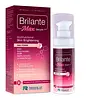
This brightening serum is formulated around Potassium Azeloyl Diglycinate and Niacinamide to fade the look of dark spots and brighten dull-looking skin.
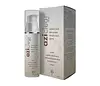
This brightening serum is formulated around Azelaic Acid and 4-Butylresorcinol to fade the look of dark spots and calm redness.

What's inside
What's inside
 Key Ingredients
Benefits
Concerns
Ingredients Side-by-side
Water
Skin ConditioningPotassium Azeloyl Diglycinate
Skin Conditioning




Ethoxydiglycol
HumectantNiacinamide
Smoothing







Glycerin
Humectant
Sodium Polyacrylate
Absorbent
Arachidyl Alcohol
Emollient
Behenyl Alcohol
Emollient
Arachidyl Glucoside
Emulsifying4-Butylresorcinol
Antioxidant

Alpha-Arbutin
Antioxidant
Glycyrrhiza Glabra Root Extract
Bleaching
Tocopheryl Acetate
Antioxidant
Diethylhexyl Syringylidenemalonate
Skin Protecting
Caprylic/Capric Triglyceride
Masking
Methyl Methacrylate Crosspolymer
Disodium EDTA
ChelatingBHA
Antioxidant
BHT
Antioxidant
Methylisothiazolinone
Preservative


Phenoxyethanol
Preservative
Parfum
Masking


Water, Potassium Azeloyl Diglycinate, Ethoxydiglycol, Niacinamide, Glycerin, Sodium Polyacrylate, Arachidyl Alcohol, Behenyl Alcohol, Arachidyl Glucoside, 4-Butylresorcinol, Alpha-Arbutin, Glycyrrhiza Glabra Root Extract, Tocopheryl Acetate, Diethylhexyl Syringylidenemalonate, Caprylic/Capric Triglyceride, Methyl Methacrylate Crosspolymer, Disodium EDTA, BHA, BHT, Methylisothiazolinone, Phenoxyethanol, Parfum
Water
Skin ConditioningPropylene Glycol
Humectant
Azelaic Acid
Buffering
Ethoxydiglycol
HumectantGlycerin
Humectant
Caprylic/Capric Triglyceride
Masking
Sodium Lactate
Buffering
Sodium Gluconate
ChelatingSodium Hyaluronate
Humectant
4-Butylresorcinol
Antioxidant
Hydroxyphenoxy Propionic Acid
Skin ConditioningAloe Barbadensis Leaf Extract
Emollient
Triethanolamine
BufferingSodium Hydroxide
BufferingFerulic Acid
Antimicrobial
Xanthan Gum
EmulsifyingPhenoxyethanol
Preservative
Carbomer
Emulsion StabilisingTocopherol
Antioxidant
Calendula Officinalis Extract
Skin Conditioning
Disodium EDTA
ChelatingParfum
Masking
Water, Propylene Glycol, Azelaic Acid, Ethoxydiglycol, Glycerin, Caprylic/Capric Triglyceride, Sodium Lactate, Sodium Gluconate, Sodium Hyaluronate, 4-Butylresorcinol, Hydroxyphenoxy Propionic Acid, Aloe Barbadensis Leaf Extract, Triethanolamine, Sodium Hydroxide, Ferulic Acid, Xanthan Gum, Phenoxyethanol, Carbomer, Tocopherol, Calendula Officinalis Extract, Disodium EDTA, Parfum
Ingredients Explained
These ingredients are found in both products.
Ingredients higher up in an ingredient list are typically present in a larger amount.
This ingredient is also known as rucinol. It's an antioxidant and one of the best-studied tyrosinase inhibitors (skin brightener) in cosmetic chemistry.
This ingredient works in a few complimentary ways:
In head-to-head biochemical assays, it outperformed kojic acid, arbutin, and even hydroquinone at slowing melanin production.
Clinically, 0.1% has shown to improve melasma visibly after just 4 weeks. Another liposome-encapsulated version performed similarly well and an Indian study on 0.3% showed significant melasma reduction over 8 weeks with no adverse events reported.
This ingredient is generally well-tolerated. A very small amount of people have experienced mild dryness or peeling at a higher concentration (0.3%).
According to a manufacturer, this ingredient is sensitive to air. Good formulations should account for this to keep your rucinol effective.
Be sure to also check out Thiamidol, another "hydroquinone alternative".
Learn more about 4-ButylresorcinolCaprylic/Capric Triglyceride (aka MCT Oil) is a lightweight emollient, solvent, and texture enhancer. It is considered a skin-softener by helping to prevent moisture loss.
Though it behaves like an oil, it is not technically one due to its chemical composition. One perk of this ingredient is that it is very stable, resistant to oxidation, and unlikely to go rancid.
In practice, that translates to a long shelf life and a consistently elegant skin feel.
While there is an assumption Caprylic Triglyceride can clog pores due to it being derived from coconut oil, there is no research supporting this. Just patch test if you have concerns.
Fractionated coconut oil and MCT Oil are both listed as Caprylic/Capric Triglyceride according to INCI. This is because INCI names are based on the ingredient’s final chemical composition and not its marketing name or source.
This ingredient is treated as the gold standard fungal acne safe oil. Even though it is coconut derived, the problematic lauric acid is stripped out.
This leaves just caprylic (C8) and capric (C10) acid. These chain lengths actually trend antifungal; a 2020 study found caprylic acid was enough to disrupt Malassezia furfur cell membrane, with a caprylic acid derivative damaging membrane structures at concentrations as low as 0.2%.
Learn more about Caprylic/Capric TriglycerideDisodium EDTA is a chelating agent. It grabs onto and deactivates metal ions that sneak into your products from water, packaging, or air.
This ingredient mainly works behind the scenes and helps with:
On top of that, this ingredient can counteract the effects of hard water by binding to the minerals in it.
One thing worth knowing is that Disodium EDTA has been shown to be a mild penetration enhancer. It can help other ingredients absorb into skin more effectively which can be a double-edged sword (great for actives, but can also make the active too strong if you have sensitive skin).
Clinical patch testing showed no significant skin irritation at typical use concentrations and minimal dermal absorption.
You'll most likely see this ingredient near the end of an ingredient list. It's typically found in concentrations less than 1%.
Learn more about Disodium EDTAEthoxydiglycol (aka Diethylene Glycol Monoethyl Ether) is one of the cosmetic world's quiet problem solvers.
In a formula, it is a solvent that dissolves tricky ingredients that don't want to mix in and helps spread ingredients evenly across your skin without leaving a greasy or sticky feeling
This makes it great for hard-to-dissolve actives like vitamin C, benzoyl peroxide, and self-tanner DHA.
It also has mild humectant and penetration enhancer abilities so it can help some actives absorb a little deeper.
The penetration boost is backed by lab research: studies using human skin samples found it improved how well an active dissolves into the upper layer of skin rather than tearing down your skin barrier. Reviews of its mechanism also describe it interacting gently with the lipids and water in your outermost layer of skin.
Just know this penetration-enhancing effect is not universal. It helps a lot in some formulas and did very little in others (so the benefit really depends on the specific product).
Safety-wise, the evidence is reassuring. The Cosmetic Ingredient Review Expert Panel reviewed it and concluded it's safe for use in cosmetics and recognized it as non-irritating, non-sensitizing, and non-comedogenic in skincare.
Typical leave-on skincare usage lands around 1-10%. The EU has sets caps of 2.6% in non-spray products, 10% in rinse-offs, 7% in oxidative hair dye, and 5% in non-oxidative hair dye.
Learn more about EthoxydiglycolGlycerin (or glycerol) is a compound naturally found in your skin. It's a powerhouse humectant that pulls water into the stratum corneum.
Topically, glycerin does several things at once:
Your skin makes glycerin on its own (mostly from sebaceous oil breakdown) and shuttles it to your outermost layer of skin, or your epidermis, via aquaporin-3.
Aquaporin-3 is a transporter that is essential for normal skin hydration, elasticity, and repair. Interestingly, mice lacking in AQP3 have dry and less elastic skin that can be fully corrected with glycerin.
This ingredient is non-irritating, plays well with almost every ingredient, and works across all skin types. Typical use is anywhere between 3-10% but can go up to 79% in some leave-on products.
Just know very high concentrations (>40%) can feel tacky in low humidity.
Glycerin is the name for this ingredient in American English. British English uses Glycerol/Glycerine.
Learn more about GlycerinParfum is a catch-all term for an ingredient or more that is used to give a scent to products.
Also called "fragrance", this ingredient can be a blend of hundreds of chemicals or plant oils. This means every product with "fragrance" or "parfum" in the ingredients list is a different mixture.
For instance, Habanolide is a proprietary trade name for a specific aroma chemical. When used as a fragrance ingredient in cosmetics, most aroma chemicals fall under the broad labeling category of “FRAGRANCE” or “PARFUM” according to EU and US regulations.
The term 'parfum' or 'fragrance' is not regulated in many countries. In many cases, it is up to the brand to define this term.
For instance, many brands choose to label themselves as "fragrance-free" because they are not using synthetic fragrances. However, their products may still contain ingredients such as essential oils that are considered a fragrance by INCI standards.
One example is Calendula flower extract. Calendula is an essential oil that still imparts a scent or 'fragrance'.
Depending on the blend, the ingredients in the mixture can cause allergies and sensitivities on the skin. Some ingredients that are known EU allergens include linalool and citronellol.
Parfum can also be used to mask or cover an unpleasant scent.
The bottom line is: not all fragrances/parfum/ingredients are created equally. If you are worried about fragrances, we recommend taking a closer look at an ingredient. And of course, we always recommend speaking with a professional.
Learn more about ParfumPhenoxyethanol is one of the most widely used preservatives in skincare (and for good reason!).
It has a large spectrum of antimicrobial activity and especially effective bacteria, yeast, and mold while only having a weak effect on your skin's natural microbiome.
On a cellular level, it disrupts the cell membranes of microbes by poking holes that make the cell leak. This shuts down the chemical reactions the microbe needs to make energy so it can no longer survive.
Another perk of this ingredient is that it stays functional across a wide pH range (3-10).
You'll often see it paired with boosters like Ethylhexylglycerin; one study showed that a 1:9 ratio of Ethylhexylglycerin to Phenoxyethanol damages bacterial membranes as effectively as doubling the Phenoxyethanol concentration on its own.
Typical use concentrations range from 0.3-1% depending on the formula, and this ingredient is capped at 1% int the EU.
Safety-wise, the fear mongering does not hold up to the evidence. The EU's Scientific Committee on Consumer Safety and FDA consider it safe as a preservative at up to 1%, including for children of all ages.
Adverse systemic effects only showed up in animal studies at exposures roughly 200x higher than what people get from cosmetics. And despite its very widespread use, this ingredient is a rare sensitizer and allergic reactions are uncommon.
Learn more about PhenoxyethanolWater. It's the most common cosmetic ingredient of all. You'll usually see it at the top of ingredient lists, meaning that it makes up the largest part of the product.
So why is it so popular? Water most often acts as a solvent - this means that it helps dissolve other ingredients into the formulation.
You'll also recognize water as that liquid we all need to stay alive. If you see this, drink a glass of water. Remember to stay hydrated!
Learn more about Water

