PURITO Deep Sea Droplet Serum Versus Allies of Skin Copper Tripeptide & Ectoin Advanced Repair Serum
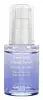
This hydrating serum is formulated around Ectoin and Tremella Fuciformis Extract to hydrate skin and strengthen the skin barrier.
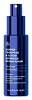
This barrier-repair serum is formulated around Ectoin and Copper Tripeptide-1 to strengthen the skin barrier and soften the look of wrinkles.


What's inside
What's inside
 Key Ingredients
Benefits
Concerns
Ingredients Side-by-side
Sea Water 66.01%
HumectantButylene Glycol
Humectant

Propanediol
Solvent
Glycerin
Humectant
Water
Skin Conditioning1,2-Hexanediol
Skin Conditioning
Caprylic/Capric Triglyceride
Masking
Hydrolyzed Glycosaminoglycans
HumectantBetaine
Humectant
Ectoin
Skin Conditioning


Tremella Fuciformis Extract
Humectant
Tremella Fuciformis Polysaccharide
Emulsion Stabilising
Salicornia Herbacea Extract
Skin ConditioningLaminaria Japonica Extract
Skin Protecting
Caulerpa Lentillifera Extract


Acetyl Hexapeptide-8
Humectant
Copper Tripeptide-1
Skin Conditioning
Acrylates/C10-30 Alkyl Acrylate Crosspolymer
Emulsion StabilisingXanthan Gum
EmulsifyingAllantoin
Skin Conditioning
Adenosine
Skin Conditioning
Tromethamine
BufferingDisodium EDTA
ChelatingEthylhexylglycerin
Skin ConditioningSea Water 66.01%, Butylene Glycol, Propanediol, Glycerin, Water, 1,2-Hexanediol, Caprylic/Capric Triglyceride, Hydrolyzed Glycosaminoglycans, Betaine, Ectoin, Tremella Fuciformis Extract, Tremella Fuciformis Polysaccharide, Salicornia Herbacea Extract, Laminaria Japonica Extract, Caulerpa Lentillifera Extract, Acetyl Hexapeptide-8, Copper Tripeptide-1, Acrylates/C10-30 Alkyl Acrylate Crosspolymer, Xanthan Gum, Allantoin, Adenosine, Tromethamine, Disodium EDTA, Ethylhexylglycerin
Water
Skin ConditioningGlycerin
Humectant
Ectoin
Skin Conditioning
Polyglyceryl-10 Oleate
Skin Conditioning

Coco-Caprylate/Caprate
Emollient
Isononyl Isononanoate
EmollientDimethyl Isosorbide
SolventPanthenol
Skin Conditioning
Carnitine
Cleansing

Tocopherol
Antioxidant



Copper Tripeptide-1
Skin Conditioning
Oxidized Glutathione
EmollientErgothioneine
Antioxidant
Tropolone
Skin ConditioningCopper Lysinate/Prolinate
Skin ConditioningAcetyl Hexapeptide-8
Humectant
Methylglucoside Phosphate
Skin ConditioningHydroxyethylcellulose
Emulsion StabilisingSaccharide Isomerate
Humectant
Ethylhexylglycerin
Skin ConditioningSodium Gluconate
ChelatingSclerotium Gum
Emulsion StabilisingDisodium Phosphate
BufferingSodium Phosphate
BufferingCaprylyl Glycol
Emollient
Propanediol
Solvent
1,2-Hexanediol
Skin Conditioning
Hydroxyethyl Acrylate/Sodium Acryloyldimethyl Taurate Copolymer
Emulsion StabilisingCitric Acid
Buffering
Polysorbate 60
Emulsifying
Sodium Hydroxide
BufferingPolysorbate 20
Emulsifying
Phenoxyethanol
Preservative
Water, Glycerin, Ectoin, Polyglyceryl-10 Oleate, Coco-Caprylate/Caprate, Isononyl Isononanoate, Dimethyl Isosorbide, Panthenol, Carnitine, Tocopherol, Copper Tripeptide-1, Oxidized Glutathione, Ergothioneine, Tropolone, Copper Lysinate/Prolinate, Acetyl Hexapeptide-8, Methylglucoside Phosphate, Hydroxyethylcellulose, Saccharide Isomerate, Ethylhexylglycerin, Sodium Gluconate, Sclerotium Gum, Disodium Phosphate, Sodium Phosphate, Caprylyl Glycol, Propanediol, 1,2-Hexanediol, Hydroxyethyl Acrylate/Sodium Acryloyldimethyl Taurate Copolymer, Citric Acid, Polysorbate 60, Sodium Hydroxide, Polysorbate 20, Phenoxyethanol
Reviews
Ingredients Explained
These ingredients are found in both products.
Ingredients higher up in an ingredient list are typically present in a larger amount.
1,2-Hexanediol is a synthetic liquid and another multi-functional powerhouse.
It is a:
- Humectant, drawing moisture into the skin
- Emollient, helping to soften skin
- Solvent, dispersing and stabilizing formulas
- Preservative booster, enhancing the antimicrobial activity of other preservatives
Acetyl Hexapeptide-8 (also known as Argireline) is a synthetic hexapeptide that is often called a "topical Botox alternative".
It works by mimicking how Botox relaxes muscles; it interferes with the signaling process that tells your facial muscles to contract. This can help soften expression lines like forehead wrinkles or crow's feet over time.
The comparison to Botox does have limits because the molecule is water-loving and relatively large.
Acetyl Hexapeptide-8 has a hard time absorbing deeply enough through the skin's outer barrier to actually reach the muscles.
So whether it truly works the way Botox does at a biological level is still up for debate, but early clinical outcomes are fairly encouraging.
A 12 week human study of a multi-ingredient regimen containing this ingredient saw:
While some studies have observed improvements in wrinkle appearance, it is important to note that more consistent results are seen in multi-ingredient formulations (vs just Acetyl Hexapeptide-8 alone).
Some research studies also used higher concentrations (up to 10%) while this ingredient is usually found in concentrations up to 0.005% in leave-on formulations.
Learn more about Acetyl Hexapeptide-8Copper Tripeptide-1 (GHK-Cu) is a skin repairing ingredient said to boost collagen, improve firmness, and support skin regeneration.
It is a complex made up of a naturally occurring peptide (glycine-histidine-lysine) and copper, an essential trace element.
While studying wound healing, researchers noticed GHK-Cu stimulated hair follicle enlargement and growth by keeping hair in its active growth phase longer. This has made it a promising ingredient for hair regrowth treatments.
Some people have reported increased facial hair. While GHK-Cu can make your hair follicles bigger, it usually doesn’t turn soft, barely-visible facial hairs into thick, dark ones.
Anecdotal reports suggest that overusing copper peptides might lead to premature aging due to excess free copper or enzyme imbalances. This claim isn’t backed by large-scale studies.
Unfortunately, there are limited human studies for this ingredient. While early results are promising, many studies are either small, in-vitro, or not rigorously controlled.
For example, there is a 1998 study that explored the effects of copper tripeptide, vitamin C, tretinoin, and melatonin on skin repair and collagen synthesis.
After one month, increased procollagen production was seen in 7 out of 10 participants using copper tripeptide (more than those using vitamin C, melatonin, or tretinoin.
While the study was exploratory, it offers early evidence that copper tripeptide may support collagen production. Larger, well-designed trials are still needed to confirm its potential and understand individual responses.
Read more about other common types of peptides here:
Learn more about Copper Tripeptide-1Ectoin is a compound found naturally in some species of bacteria. It can be synthetically created for skincare use.
This ingredient is an osmolyte; Osmolytes help organisms survive osmotic shock (it protects them from extreme conditions). It does this by influencing the properties of biological fluids within cells.
When applied to the skin, ectoin helps bind water molecules to protect our skin. The water forms a sort of armor for the parts of our skin cells, enzymes, proteins, and more.
Besides this, ectoin has many uses in skincare:
A study from 2004 found ectoin to counteract the damage from UV-A exposure at different cell levels. It has also been shown to protect skin against both UV-A, UV-B rays, infrared light, and visible light.
Studies show ectoin to have dual-action pollution protection: first, it protects our skin from further pollution damage. Second, it helps repair damage from pollution.
In fact, ectoin has been shown to help with:
Fun fact: In the EU, ectoin is used in inhalation medication as an anti-pollution ingredient.
Ectoin is a highly stable ingredient. It has a wide pH range of 1-9. Light, oxygen, and temperature do not affect this ingredient.
The chemical name for this ingredient is Tetrahydromethylpyrimidine Carboxylic Acid.
Learn more about EctoinEthylhexylglycerin is created from glycerin. It is a multitasker ingredient that:
The CIR Expert Panel found minimal skin absorption or sensitization of any kind in a safety assessment. Though this ingredient is considered well-tolerated, a small number of cases of allergic dermatitis have been published since 2002. Just be sure to patch test if you are unsure.
Industry-reported use ranges from 8% in rinse-off products and 2% in leave-on formulations.
Learn more about EthylhexylglycerinGlycerin (or glycerol) is a compound naturally found in your skin. It's a powerhouse humectant that pulls water into the stratum corneum.
Topically, glycerin does several things at once:
Your skin makes glycerin on its own (mostly from sebaceous oil breakdown) and shuttles it to your outermost layer of skin, or your epidermis, via aquaporin-3.
Aquaporin-3 is a transporter that is essential for normal skin hydration, elasticity, and repair. Interestingly, mice lacking in AQP3 have dry and less elastic skin that can be fully corrected with glycerin.
This ingredient is non-irritating, plays well with almost every ingredient, and works across all skin types. Typical use is anywhere between 3-10% but can go up to 79% in some leave-on products.
Just know very high concentrations (>40%) can feel tacky in low humidity.
Glycerin is the name for this ingredient in American English. British English uses Glycerol/Glycerine.
Learn more about GlycerinPropanediol is an all-star ingredient. It softens, hydrates, and smooths the skin.
It’s often used to:
Propanediol is not likely to cause sensitivity and considered safe to use. It is derived from corn or petroleum with a clear color and no scent.
Learn more about PropanediolWater. It's the most common cosmetic ingredient of all. You'll usually see it at the top of ingredient lists, meaning that it makes up the largest part of the product.
So why is it so popular? Water most often acts as a solvent - this means that it helps dissolve other ingredients into the formulation.
You'll also recognize water as that liquid we all need to stay alive. If you see this, drink a glass of water. Remember to stay hydrated!
Learn more about Water

