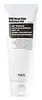
This calming moisturizer is formulated around Betaine Salicylate and Dipotassium Glycyrrhizate to calm redness.
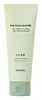
This calming moisturizer is formulated around Camellia Sinensis Leaf Extract and Niacinamide to calm redness and hydrate skin.

What's inside
What's inside
 Key Ingredients
Benefits
Concerns
Ingredients Side-by-side
Water
Skin ConditioningButylene Glycol
Humectant

Artemisia Capillaris Leaf Extract
Skin ConditioningAloe Barbadensis Leaf Extract
Emollient

1,2-Hexanediol
Skin Conditioning




Water, Butylene Glycol, Artemisia Capillaris Leaf Extract, Aloe Barbadensis Leaf Extract, 1,2-Hexanediol, Betaine Salicylate, Ammonium Acryloyldimethyltaurate/Vp Copolymer, Sodium Citrate, Dipotassium Glycyrrhizate, Ethylhexylglycerin, Tromethamine, Sodium Hyaluronate, Melaleuca Alternifolia Leaf Extract
Water
Skin ConditioningCamellia Sinensis Leaf Extract
Antimicrobial




Glycerin
Humectant
Butylene Glycol
Humectant
Dicaprylyl Ether
Emollient
Niacinamide
Smoothing



1,2-Hexanediol
Skin Conditioning
Pentylene Glycol
Skin Conditioning
Chlorella Vulgaris Extract
Skin ConditioningMelia Azadirachta Leaf Extract
Skin ConditioningMelia Azadirachta Flower Extract
Skin ConditioningCynanchum Atratum Extract
Skin ConditioningSaccharomyces Ferment
Skin Conditioning

Lactobacillus Ferment
Skin Conditioning
Theobroma Cacao Seed Extract
Antioxidant
Althaea Rosea Flower Extract
Skin ConditioningCentella Asiatica Leaf Extract
Skin Conditioning
Cryptomeria Japonica Leaf Extract
HumectantNelumbo Nucifera Leaf Extract
Skin ConditioningHydrogenated Polydecene
EmollientVinyldimethicone

Caprylyl Methicone
Skin Conditioning
Hydroxyethyl Acrylate/Sodium Acryloyldimethyl Taurate Copolymer
Emulsion StabilisingPanthenol
Skin Conditioning
Acrylates/C10-30 Alkyl Acrylate Crosspolymer
Emulsion StabilisingDimethiconol
Emollient
Sodium Polyacryloyldimethyl Taurate
Emulsion StabilisingGlucose
Humectant
Tromethamine
BufferingGlyceryl Acrylate/Acrylic Acid Copolymer
HumectantDipotassium Glycyrrhizate
Humectant
Fructooligosaccharides
Humectant
Fructose
Humectant
Ethylhexylglycerin
Skin ConditioningCitric Acid
Buffering
Sodium Phytate
Tocopherol
Antioxidant
Dextrin
AbsorbentDipropylene Glycol
HumectantMadecassoside
Antioxidant
Asiaticoside
Antioxidant
Madecassic Acid
Skin Conditioning
Asiatic Acid
Skin Conditioning
Xanthan Gum
EmulsifyingWater, Camellia Sinensis Leaf Extract, Glycerin, Butylene Glycol, Dicaprylyl Ether, Niacinamide, 1,2-Hexanediol, Pentylene Glycol, Chlorella Vulgaris Extract, Melia Azadirachta Leaf Extract, Melia Azadirachta Flower Extract, Cynanchum Atratum Extract, Saccharomyces Ferment, Lactobacillus Ferment, Theobroma Cacao Seed Extract, Althaea Rosea Flower Extract, Centella Asiatica Leaf Extract, Cryptomeria Japonica Leaf Extract, Nelumbo Nucifera Leaf Extract, Hydrogenated Polydecene, Vinyldimethicone, Caprylyl Methicone, Hydroxyethyl Acrylate/Sodium Acryloyldimethyl Taurate Copolymer, Panthenol, Acrylates/C10-30 Alkyl Acrylate Crosspolymer, Dimethiconol, Sodium Polyacryloyldimethyl Taurate, Glucose, Tromethamine, Glyceryl Acrylate/Acrylic Acid Copolymer, Dipotassium Glycyrrhizate, Fructooligosaccharides, Fructose, Ethylhexylglycerin, Citric Acid, Sodium Phytate, Tocopherol, Dextrin, Dipropylene Glycol, Madecassoside, Asiaticoside, Madecassic Acid, Asiatic Acid, Xanthan Gum
Reviews
Ingredients Explained
These ingredients are found in both products.
Ingredients higher up in an ingredient list are typically present in a larger amount.
1,2-Hexanediol is a synthetic liquid and another multi-functional powerhouse.
It is a:
- Humectant, drawing moisture into the skin
- Emollient, helping to soften skin
- Solvent, dispersing and stabilizing formulas
- Preservative booster, enhancing the antimicrobial activity of other preservatives
Butylene Glycol (or BG) is used within cosmetic products for a few different reasons:
Overall, Butylene Glycol is a safe and well-rounded ingredient that works well with other ingredients.
Though this ingredient works well with most skin types, some people with sensitive skin may experience a reaction such as allergic rashes, closed comedones, or itchiness.
Learn more about Butylene GlycolDipotassium Glycyrrhizate comes from licorice root.
Extracts of licorice have demonstrated to have antibacterial, anti‐inflammatory, antiviral, antioxidant properties.
One component, glabridin, has extra potent antioxidant and soothing properties. It has also been found to block pigmentation from UVB rays in guinea pigs.
Licorice Root also contains a flavonoid. Flavonoids are a natural substance from in plants. Flavonoids also have antioxidant properties.
Another component, glycyrrhizin, has been found to have anti-inflammatory and antimicrobial benefits. This may make licorice root extract effective at treating acne. However, more research is needed to support this.
Liquiritin is one of the flavone compounds found in licorice. It has been found to help lighten skin by preventing tyrosinase from reacting with tyrosine. When the two react, protein is converted to melanin. Melanin is the substance in your body that gives your features pigmentation.
Licorice root is native to Southern Europe and Asia. It has been used in traditional Chinese medicine to help with respiratory issues.
Learn more about Dipotassium GlycyrrhizateEthylhexylglycerin is created from glycerin. It is a multitasker ingredient that:
The CIR Expert Panel found minimal skin absorption or sensitization of any kind in a safety assessment. Though this ingredient is considered well-tolerated, a small number of cases of allergic dermatitis have been published since 2002. Just be sure to patch test if you are unsure.
Industry-reported use ranges from 8% in rinse-off products and 2% in leave-on formulations.
Learn more about EthylhexylglycerinTromethamine (aka THAM) is a synthetic amino acid that shows up in skincare as a helper ingredient.
It functions as a pH adjuster to help neutralize acidic ingredients and set a formula's pH to the right spot.
This matters a lot because a lot of actives (like vitamin C) needs a specific pH to work well and feel comfortable on skin.
Concentration use ranges from 0.1-1.0% depending on the formula.
Learn more about TromethamineWater. It's the most common cosmetic ingredient of all. You'll usually see it at the top of ingredient lists, meaning that it makes up the largest part of the product.
So why is it so popular? Water most often acts as a solvent - this means that it helps dissolve other ingredients into the formulation.
You'll also recognize water as that liquid we all need to stay alive. If you see this, drink a glass of water. Remember to stay hydrated!
Learn more about Water

