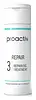
This acne treatment is formulated around Benzoyl Peroxide to clear breakouts.
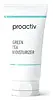
This calming moisturizer is formulated around Camellia Sinensis Leaf Extract and Epigallocatechin Gallate to calm redness and hydrate skin.

What's inside
What's inside
 Key Ingredients
Benefits
Concerns
Ingredients Side-by-side
Benzoyl Peroxide 2.5%





Water
Skin ConditioningEthoxydiglycol
HumectantCyclotetrasiloxane
Emollient
Cyclopentasiloxane
Emollient
Propylene Glycol
Humectant
Cetearyl Alcohol
Emollient




Dimethicone
Emollient
Glyceryl Stearate
Emollient
PEG-100 Stearate
Surfactant
Panthenol
Skin Conditioning


Allantoin
Skin Conditioning
Xanthan Gum
EmulsifyingCeteareth-20
Cleansing
Carbomer
Emulsion StabilisingSodium Hydroxide
BufferingDiazolidinyl Urea
Preservative
Methylparaben
Preservative

Propylparaben
Preservative
Parfum
Masking

Benzoyl Peroxide 2.5%, Water, Ethoxydiglycol, Cyclotetrasiloxane, Cyclopentasiloxane, Propylene Glycol, Cetearyl Alcohol, Dimethicone, Glyceryl Stearate, PEG-100 Stearate, Panthenol, Allantoin, Xanthan Gum, Ceteareth-20, Carbomer, Sodium Hydroxide, Diazolidinyl Urea, Methylparaben, Propylparaben, Parfum
Water
Skin ConditioningGlycerin
Humectant
Butylene Glycol
Humectant
Dimethicone
Emollient
Sodium Polyacrylate
Absorbent
Camellia Sinensis Leaf Extract
Antimicrobial




Iris Florentina Root Extract
MaskingMacadamia Ternifolia Seed Oil
Emollient
Epigallocatechin Gallate
Antioxidant
Hydrogenated Polydecene
EmollientTrideceth-6
EmulsifyingSodium Hyaluronate
Humectant
Squalane
Emollient
Caprylic/Capric Triglyceride
Masking
Ethylhexyl Palmitate
Emollient
PPG-2 Myristyl Ether Propionate
Emollient
Alcohol
Antimicrobial
Allantoin
Skin Conditioning
Propanediol
Solvent
C12-15 Alkyl Lactate
EmollientPolyquaternium-11
Disodium EDTA
ChelatingEthylparaben
Preservative
Methylparaben
Preservative
Propylparaben
Preservative
Phenoxyethanol
Preservative
Parfum
Masking
Water, Glycerin, Butylene Glycol, Dimethicone, Sodium Polyacrylate, Camellia Sinensis Leaf Extract, Iris Florentina Root Extract, Macadamia Ternifolia Seed Oil, Epigallocatechin Gallate, Hydrogenated Polydecene, Trideceth-6, Sodium Hyaluronate, Squalane, Caprylic/Capric Triglyceride, Ethylhexyl Palmitate, PPG-2 Myristyl Ether Propionate, Alcohol, Allantoin, Propanediol, C12-15 Alkyl Lactate, Polyquaternium-11, Disodium EDTA, Ethylparaben, Methylparaben, Propylparaben, Phenoxyethanol, Parfum
Reviews
Ingredients Explained
These ingredients are found in both products.
Ingredients higher up in an ingredient list are typically present in a larger amount.
Allantoin is a soothing ingredient known for its protective and moisturizing properties; it's basically a quiet workhorse ingredient you can find in a huge range of cosmetics.
Though it can be derived from the comfrey plant, allantoin is produced synthetically for cosmetic products to ensure purity.
Research shows it can encourage your skin cells to turn over and renew by stimulating keratinocyte and fibroblast proliferation.
It also has mild keratolytic properties to help loosen and shed dead skin cells without being harsh.
Studies also suggest allantoin can help calm inflammation by dialing down some of the chemical signals your skin sends out when it is irritated.
This ingredient is typically used in the 0.1-0.5% range, and the FDA recognizes it as a skin protectant in OTC products up to 2%.
Overall, allantoin is a wonderful addition to most routines; it is stable across a wide pH range (~4-8), works well with other ingredients, and is considered non-sensitizing/non-irritating.
Fun fact: Allantoin is naturally occurring in comfrey root, beets, chamomile, and wheat sprouts. Our bodies even produce it as a byproduct of uric acid metabolism.
Learn more about AllantoinDimethicone is a type of synthetic silicone created from natural materials such as quartz. It is also known as polydimethylsiloxane.
What it does:
Dimethicone comes in different viscosities:
Depending on the viscosity, dimethicone has different properties.
Ingredients lists don't always show which type is used, so we recommend reaching out to the brand if you have questions about the viscosity.
This ingredient is unlikely to cause irritation because it does not get absorbed into skin. However, people with silicone allergies should be careful about using this ingredient.
Note: Dimethicone may contribute to pilling. This is because it is not oil or water soluble, so pilling may occur when layered with products. When mixed with heavy oils in a formula, the outcome is also quite greasy.
Learn more about DimethiconeMethylparaben is a synthetic preservative and one of the most widely used in the world. It has a simple, but important job: prevent your products from going bad by stopping bacteria, yeast, and mold from growing.
Typical use levels are low, often 0.1-0.3%.
This is also one of the most heavily studied preservatives out there and major regulatory bodies have repeatedly given it the green light.
In 2023, the EU's Scientific Committee on Consumer Safety (SCCS) confirmed that this ingredient is safe up to 0.4% on its own, of up to 0.8% when mixed with other paraben esters.
Here's the science behind the noise behind parabens/hormones as well:
Methylparaben shows very weak estrogen-like activity in vitro tests (more than 1,000x weaker than your body's own estradiol). In vivo (live-organism) studies don't support a meaningful endocrine-disrupting effect either.
You get a stronger estrogenic effect from eating tofu, actually.
It's also a low sensitizer and allergic reactions are uncommon; they usually happen on damage or broken skin.
There is a caveat: France has proposed to formally re-examine its endocrine classification in 2025 so the regulatory conversation isn't fully closed as of yet.
But as it stands today, this ingredient is considered safe at permitted levels.
Learn more about MethylparabenParfum is a catch-all term for an ingredient or more that is used to give a scent to products.
Also called "fragrance", this ingredient can be a blend of hundreds of chemicals or plant oils. This means every product with "fragrance" or "parfum" in the ingredients list is a different mixture.
For instance, Habanolide is a proprietary trade name for a specific aroma chemical. When used as a fragrance ingredient in cosmetics, most aroma chemicals fall under the broad labeling category of “FRAGRANCE” or “PARFUM” according to EU and US regulations.
The term 'parfum' or 'fragrance' is not regulated in many countries. In many cases, it is up to the brand to define this term.
For instance, many brands choose to label themselves as "fragrance-free" because they are not using synthetic fragrances. However, their products may still contain ingredients such as essential oils that are considered a fragrance by INCI standards.
One example is Calendula flower extract. Calendula is an essential oil that still imparts a scent or 'fragrance'.
Depending on the blend, the ingredients in the mixture can cause allergies and sensitivities on the skin. Some ingredients that are known EU allergens include linalool and citronellol.
Parfum can also be used to mask or cover an unpleasant scent.
The bottom line is: not all fragrances/parfum/ingredients are created equally. If you are worried about fragrances, we recommend taking a closer look at an ingredient. And of course, we always recommend speaking with a professional.
Learn more about ParfumPropylparaben is a preservative and one of the most widely used members of the paraben family (it's been used in cosmetics for over a century now).
It works by disrupting microbial cell membranes and enzymes, and is a broad-spectrum protector that works exceptionally well against molds, yeasts, and gram-positive bacteria.
You'll likely see it paired with methylparaben to cover the full range (including gram-negative bacteria).
This ingredient is effective at low concentrations (~0.2-0.5%) and stable across a wide pH range (4.5-7.5 pH). It's effectiveness drops off above pH 8 and it can lose potency when combined with non-ionic surfactants like polysorbate 80 due to micellization.
The regulatory bodies have concluded this ingredient to be safe as used in cosmetics. The EU has capped it at 0.14% and combined parabens are not to exceed 0.8%.
While parabens do cross the stratum corneum, only about 1% remains for absorption into the body. This is because most of it is metabolized within living skin.
Learn more about PropylparabenWater. It's the most common cosmetic ingredient of all. You'll usually see it at the top of ingredient lists, meaning that it makes up the largest part of the product.
So why is it so popular? Water most often acts as a solvent - this means that it helps dissolve other ingredients into the formulation.
You'll also recognize water as that liquid we all need to stay alive. If you see this, drink a glass of water. Remember to stay hydrated!
Learn more about Water

