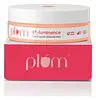
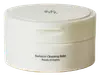
Plum Goodness E-Luminence Simply Supple Cleansing Balm Versus Beauty of Joseon Radiance Cleansing Balm
This oil-based cleanser is made to cleanse without leaving your skin tight or dry.
This oil-based makeup remover is made to dissolve makeup, sunscreen, and daily buildup.


What's inside
What's inside
 Key Ingredients
Benefits
Concerns
Ingredients Side-by-side
Ethylhexyl Palmitate
Emollient




Cetearyl Alcohol
Emollient

Polysorbate 60
Emulsifying
Helianthus Annuus Seed Oil
Emollient

PEG-20 Glyceryl Triisostearate
Emollient
Water
Skin ConditioningOryza Sativa Bran Wax
Skin Conditioning
Copernicia Cerifera Wax
PEG-40 Hydrogenated Castor Oil
Emulsifying
Hydrogenated Soybean Oil
Emollient
Hydrogenated Soy Polyglycerides
Skin ConditioningC15-23 Alkane
SolventGlyceryl Stearate
Emollient
Silica
Abrasive


Ethylene/Propylene Copolymer
Abrasive
Synthetic Wax
Abrasive
Tocopheryl Acetate
Antioxidant


Garcinia Indica Seed Butter
Skin Conditioning
Coco-Glucoside
Cleansing
Pentaerythrityl Tetra-Di-T-Butyl Hydroxyhydrocinnamate
Antioxidant
CI 26100
Cosmetic ColorantArgania Spinosa Kernel Oil
Emollient


Phenoxyethanol
Preservative
Ethylhexylglycerin
Skin ConditioningParfum
Masking


Ethylhexyl Palmitate, Cetearyl Alcohol, Polysorbate 60, Helianthus Annuus Seed Oil, PEG-20 Glyceryl Triisostearate, Water, Oryza Sativa Bran Wax, Copernicia Cerifera Wax, PEG-40 Hydrogenated Castor Oil, Hydrogenated Soybean Oil, Hydrogenated Soy Polyglycerides, C15-23 Alkane, Glyceryl Stearate, Silica, Ethylene/Propylene Copolymer, Synthetic Wax, Tocopheryl Acetate, Garcinia Indica Seed Butter, Coco-Glucoside, Pentaerythrityl Tetra-Di-T-Butyl Hydroxyhydrocinnamate, CI 26100, Argania Spinosa Kernel Oil, Phenoxyethanol, Ethylhexylglycerin, Parfum
Cetyl Ethylhexanoate
EmollientCaprylic/Capric Triglyceride
Masking
PEG-20 Glyceryl Triisostearate
Emollient
Synthetic Wax
Abrasive
PEG-10 Isostearate
Emulsifying
Sorbitan Sesquioleate
Emulsifying
Hippophae Rhamnoides Oil
Emollient
Oryza Sativa Bran Oil
Emollient
Water
Skin ConditioningOryza Sativa Seed Water
Antimicrobial
Glycerin
Humectant
Propanediol
Solvent
1,2-Hexanediol
Skin Conditioning
Lactobacillus/Soybean Ferment Extract
Skin ConditioningButylene Glycol
Humectant
Coix Lacryma-Jobi Ma-Yuen Seed Extract
Skin ConditioningOryza Sativa Extract
Absorbent
Avena Sativa Meal Extract
SoothingEthylhexylglycerin
Skin ConditioningCaprylyl Glycol
Emollient
Cetyl Ethylhexanoate, Caprylic/Capric Triglyceride, PEG-20 Glyceryl Triisostearate, Synthetic Wax, PEG-10 Isostearate, Sorbitan Sesquioleate, Hippophae Rhamnoides Oil, Oryza Sativa Bran Oil, Water, Oryza Sativa Seed Water, Glycerin, Propanediol, 1,2-Hexanediol, Lactobacillus/Soybean Ferment Extract, Butylene Glycol, Coix Lacryma-Jobi Ma-Yuen Seed Extract, Oryza Sativa Extract, Avena Sativa Meal Extract, Ethylhexylglycerin, Caprylyl Glycol
Reviews
Ingredients Explained
These ingredients are found in both products.
Ingredients higher up in an ingredient list are typically present in a larger amount.
Ethylhexylglycerin is created from glycerin. It is a multitasker ingredient that:
The CIR Expert Panel found minimal skin absorption or sensitization of any kind in a safety assessment. Though this ingredient is considered well-tolerated, a small number of cases of allergic dermatitis have been published since 2002. Just be sure to patch test if you are unsure.
Industry-reported use ranges from 8% in rinse-off products and 2% in leave-on formulations.
Learn more about EthylhexylglycerinPEG-20 Glyceryl Triisostearate is a synthetic, oil-loving helper ingredient that does two jobs:
This ingredient is made by joining three building blocks: PEG, Isostearic Acid and glycerin. The PEG gives it the oil-and-water blending power.
This ingredient has been found safe for use in cosmetics and broader PEG family testing shows minimal irritation/sensitization. The molecule's large size also means it isn't expected to penetrate skin to any meaningful degree.
Fungal acne note: This ingredient may not be fungal acne safe due to isostearic acid (C18). Isostearic acid falls into the C11-24 range that Malassezia can feed on.
Learn more about PEG-20 Glyceryl TriisostearateSynthetic Wax is a manufactured hydrocarbon wax. In formulas, it works as an occlusive emollient that helps reduce water loss and improves the spreadability of products.
Research comparing synthetic wax to traditional mineral-derived products found that formulas containing it perform as well for skin hydration.
It is considered non-comedogenic and vegan-friendly.
This ingredient has a well-established safety record by the CIR Expert Panel for Cosmetic Ingredient Safety.
Synthetic Waxes are straight/branched-chain hydrocarbons with no ester bond or fatty acids. That means there is nothing for the Malassezia yeast to feed on.
Learn more about Synthetic WaxWater. It's the most common cosmetic ingredient of all. You'll usually see it at the top of ingredient lists, meaning that it makes up the largest part of the product.
So why is it so popular? Water most often acts as a solvent - this means that it helps dissolve other ingredients into the formulation.
You'll also recognize water as that liquid we all need to stay alive. If you see this, drink a glass of water. Remember to stay hydrated!
Learn more about Water

