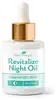
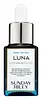
Plant Therapy Revitalize Night Oil™ Infused with CBD Versus Sunday Riley Luna Retinol Sleeping Night Oil
This hydrating oil is formulated around Argania Spinosa Kernel Oil and Oenothera Biennis Oil to hydrate skin and calm redness.
This anti-aging oil is formulated around Vitis Vinifera Seed Oil and Hydroxypinacolone Retinoate to soften the look of wrinkles and refine skin texture.

What's inside
What's inside
 Key Ingredients
Benefits
Concerns
Ingredients Side-by-side
Argania Spinosa Kernel Oil
Emollient







Sclerocarya Birrea Seed Oil
Humectant

Oenothera Biennis Oil
Emollient
Vitis Vinifera Seed Oil
Emollient
Persea Gratissima Oil
Skin Conditioning
Salvia Hispanica Seed Oil
Emollient
Plukenetia Volubilis Seed Oil
Emollient
Tocopherol
Antioxidant



Cannabis Sativa Flower/Leaf/Stem Extract
Antioxidant
Anthemis Nobilis Flower Oil
Masking


Citrus Aurantium Dulcis Peel Oil
Masking
Tanacetum Annuum Flower Oil
Masking
Citrus Aurantium Amara Flower Oil
Masking
Rosmarinus Officinalis Leaf Oil
Masking
Vetiveria Zizanoides Root Oil
Masking
Cananga Odorata Flower Oil
Masking
Chamomilla Recutita Flower Oil
Masking
Helianthus Annuus Seed Oil
Emollient
Lecithin
Emollient
Argania Spinosa Kernel Oil, Sclerocarya Birrea Seed Oil, Oenothera Biennis Oil, Vitis Vinifera Seed Oil, Persea Gratissima Oil, Salvia Hispanica Seed Oil, Plukenetia Volubilis Seed Oil, Tocopherol, Cannabis Sativa Flower/Leaf/Stem Extract, Anthemis Nobilis Flower Oil, Citrus Aurantium Dulcis Peel Oil, Tanacetum Annuum Flower Oil, Citrus Aurantium Amara Flower Oil, Rosmarinus Officinalis Leaf Oil, Vetiveria Zizanoides Root Oil, Cananga Odorata Flower Oil, Chamomilla Recutita Flower Oil, Helianthus Annuus Seed Oil, Lecithin
Vitis Vinifera Seed Oil
Emollient
Rubus Laciniatus Seed Oil
Skin Conditioning
Salvia Hispanica Seed Oil
Emollient
Persea Gratissima Oil
Skin Conditioning
Dimethyl Isosorbide
SolventHelianthus Annuus Seed Oil
Emollient
Hydroxypinacolone Retinoate
Skin Conditioning



Rosmarinus Officinalis Leaf Extract
AntimicrobialCitrus Aurantium Amara Flower Oil
Masking
Citrus Aurantium Dulcis Oil
Masking
Chamomilla Recutita Flower Oil
Masking
Cananga Odorata Flower Oil
Masking
Vetiveria Zizanoides Root Oil
Masking
Anthemis Nobilis Flower Oil
Masking
Tanacetum Annuum Flower Oil
Masking
Vanilla Planifolia Fruit Extract
Skin Conditioning
Eriocephalus Punctulatus Oil
Masking
CI 61565
Cosmetic ColorantCI 60725
Cosmetic ColorantVitis Vinifera Seed Oil, Rubus Laciniatus Seed Oil, Salvia Hispanica Seed Oil, Persea Gratissima Oil, Dimethyl Isosorbide, Helianthus Annuus Seed Oil, Hydroxypinacolone Retinoate, Rosmarinus Officinalis Leaf Extract, Citrus Aurantium Amara Flower Oil, Citrus Aurantium Dulcis Oil, Chamomilla Recutita Flower Oil, Cananga Odorata Flower Oil, Vetiveria Zizanoides Root Oil, Anthemis Nobilis Flower Oil, Tanacetum Annuum Flower Oil, Vanilla Planifolia Fruit Extract, Eriocephalus Punctulatus Oil, CI 61565, CI 60725
Reviews
Ingredients Explained
These ingredients are found in both products.
Ingredients higher up in an ingredient list are typically present in a larger amount.
This oil is created by distilling the dried flower heads of the Roman Chamomile flower.
Chamomile is rich in antioxidants and has anti-inflammatory properties. Several compounds found in chamomile help with soothing, such as bisbolol.
This ingredient is also known as Ylang Ylang essential oil.
There are several grades of this oil according to when the flowers are obtained so the exact makeup varies by origin, grade, and extraction.
In cosmetics, its job is mostly sensory: it has a sweet, floral scent often used in perfume.
Chemically, it's complex mix of fragrant molecules: geraniol, limonene, linalool and benzyl benzoate.
Several of these components are on the EU's list of recognized fragrance allergens; this means they have to be labeled when present above 0.001% in leave-on products and 0.01% in rinse-off products.
This ingredient is a known contact sensitizer for a small amount of people so it's definitely worth patch-testing if your skin is reactive.
Lab studies have found the oils does have real antioxidant and antibacterial activity, but keep in mind these are in-vitro findings rather than proven skincare benefits.
Learn more about Cananga Odorata Flower OilChamomilla Recutita Flower Oil comes from the chamomile flower (like the tea you drink).
Essential oils from chamomile have been found to improve wound healing due to its antimicrobial properties.
Chamomile oil can help soothe and hydrate your skin.
Learn more about Chamomilla Recutita Flower OilThis ingredient is also known as bitter orange flower oil, or neroli flower oil. It imparts a floral, sweet, and citrusy scent.
It is rich in linalool, linalyl acetate, limonene, and nerolidol.
Helianthus Annuus Seed Oil is a plant oil derived from the seeds of a sunflower.
It is rich in fatty acids, primarily linoleic acid and oleic acid. This gives it emollient and skin conditioning properties.
The reason this ingredient is so effective is because it forms a thin film on the skin that reduces transepidermal water loss (TEWL) while supplying linoleic acid to the stratum corneum to improve barrier strength.
The high linoleic acid content is particularly noteworthy for acne-prone skin.
Research suggests that acne-prone skin tends to be deficient in linoleic acid in sebum. Topical application may help replenish this to support a healthier follicular environment and less comedone-promoting sebum.
One randomized study found sunflower seed oil preserved skin barrier integrity in adult volunteers with and without atopic dermatitis (outperforming olive oil).
This ingredient is well-studied, gentle, and an effective emollient suitable for most skin types.
On fungal acne: This ingredient may not be Fungal acne (Malassezia folliculitis) safe. This is because it contains fatty acids with carbon chain lengths in the C11-C24 range.
Learn more about Helianthus Annuus Seed OilThis ingredient is also known as Avocado oil. It's the cold-pressed oil from the flesh of the avocado fruit packed with fatty acids (mostly oleic acid).
The rich fatty acid profile allows it to function as a skin conditioning agent and emollient; it helps soften and smooth skin while reducing water loss.
Preclinical research has found that topical avocado oil increased collagen synthesis and reduced inflammation during wound healing, giving it some skin-repairing credibility.
The unsaponifiable fraction of the oil is also interesting: studies on avocado unsaponifiables showed that it helped skin produce more collagen and other structural compounds that support healing.
The CIR Expert Panel has found this ingredient to be non-irritating in formulations.
This ingredient may not be fungal acne safe. This is because the oleic acid content falls within the range that Malassezia can use as a food source.
This ingredient does have a comedogenic rating of 0-3, but this doesn't mean a formula with this ingredient will clog pores. Human testing has proved that any finished product with a comedogenic ingredient won't automatically make you break out; it really comes down to concentration, formula, and your skin.
Learn more about Persea Gratissima OilThis ingredient is also known as Chia Seed Oil. It is rich in fatty acids, especially linolenic acid and linoleic acid.
Research shows topical application of chia seed oil improves skin hydration and barrier function. In vitro studies show the chia seed oil especially rich in linolenic acid can increase the skin's natural ability to hydrate and even boost natural hyaluronic acid.
Due to its fatty acid content, this ingredient may not be Malassezia folliculitis safe.
Learn more about Salvia Hispanica Seed OilBlue tansy is a blue flower native to the Mediterranean. It has antioxidant, skin cooling, and perfuming properties.
This ingredient is currently being studied for its antifungal properties. While it does have antioxidant benefits - it may not be the best for sensitive skin (despite being advertised as so).
The cooling effect from blue tansy comes from its camphor content. Camphor is known to induce irritation in concentrations higher than 11%. It also contains another skin irritant, beta-pinene.
Learn more about Tanacetum Annuum Flower OilVetiver oil is known for its earthy fragrance. It is most often used for adding a scent or fragrance to a product.
Recent studies have found potential antioxidant activity of vetiver root oil.
Vitis Vinifera Seed Oil comes from the grape vine. Grape seeds are a byproduct of creating grape juice or wine.
The components of grape seeds have many skin benefits. Research has found it to be antimicrobial and anti-inflammatory. It also contains many potent antioxidants such as Vitamin E , Vitamin C, proanthocyanidins, polyphenols, flavonoids, and anthocyanins. Proanthocyanidin has been shown to help even out skin tone.
Antioxidants help fight free-radical molecules. Free-radical molecules are capable of damaging our cells and other genetic material. Antioxidants help stabilize free-radicals by donating extra electrons. Grape seed extract may help reduce the signs of aging.
The antimicrobial properties of grape seed may help treat acne. However, more research is needed to support this claim.
Grape seed has also been found to help absorb UV rays. Grape seed extract should not replace your sunscreen.
The fatty acids of grape seed oil give it emollient properties. Emollients help soothe and soften your skin by creating a film. This film traps moisture within, keeping your skin hydrated.
Learn more about Vitis Vinifera Seed Oil

