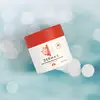
This anti-aging night moisturizer is formulated around Bakuchiol and Retinol to soften the look of wrinkles and refine skin texture.
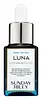
This anti-aging oil is formulated around Vitis Vinifera Seed Oil and Hydroxypinacolone Retinoate to soften the look of wrinkles and refine skin texture.

What's inside
What's inside
 Key Ingredients
Benefits
Concerns
Ingredients Side-by-side
Water
Skin ConditioningCarthamus Tinctorius Seed Oil
Masking



Stearic Acid
Cleansing
Glycerin
Humectant

Glyceryl Stearate Se
Emulsifying

Cetyl Alcohol
Emollient

Microcrystalline Cellulose
AbsorbentCellulose Gum
Emulsion StabilisingPersea Gratissima Oil
Skin Conditioning
Sesamum Indicum Seed Oil
Emollient
Helianthus Annuus Seed Oil
Emollient
Bakuchiol
Antimicrobial








Retinol
Skin Conditioning



Panthenol
Skin Conditioning
Tocopheryl Acetate
Antioxidant
Allantoin
Skin Conditioning
Phenoxyethanol
Preservative
Ethylhexylglycerin
Skin ConditioningParfum
Masking

Water, Carthamus Tinctorius Seed Oil, Stearic Acid, Glycerin, Glyceryl Stearate Se, Cetyl Alcohol, Microcrystalline Cellulose, Cellulose Gum, Persea Gratissima Oil, Sesamum Indicum Seed Oil, Helianthus Annuus Seed Oil, Bakuchiol, Retinol, Panthenol, Tocopheryl Acetate, Allantoin, Phenoxyethanol, Ethylhexylglycerin, Parfum
Vitis Vinifera Seed Oil
Emollient
Rubus Laciniatus Seed Oil
Skin Conditioning
Salvia Hispanica Seed Oil
Emollient
Persea Gratissima Oil
Skin Conditioning
Dimethyl Isosorbide
SolventHelianthus Annuus Seed Oil
Emollient
Hydroxypinacolone Retinoate
Skin Conditioning
Rosmarinus Officinalis Leaf Extract
AntimicrobialCitrus Aurantium Amara Flower Oil
Masking
Citrus Aurantium Dulcis Oil
Masking
Chamomilla Recutita Flower Oil
Masking
Cananga Odorata Flower Oil
Masking

Vetiveria Zizanoides Root Oil
Masking
Anthemis Nobilis Flower Oil
Masking
Tanacetum Annuum Flower Oil
Masking
Vanilla Planifolia Fruit Extract
Skin Conditioning
Eriocephalus Punctulatus Oil
Masking
CI 61565
Cosmetic ColorantCI 60725
Cosmetic ColorantVitis Vinifera Seed Oil, Rubus Laciniatus Seed Oil, Salvia Hispanica Seed Oil, Persea Gratissima Oil, Dimethyl Isosorbide, Helianthus Annuus Seed Oil, Hydroxypinacolone Retinoate, Rosmarinus Officinalis Leaf Extract, Citrus Aurantium Amara Flower Oil, Citrus Aurantium Dulcis Oil, Chamomilla Recutita Flower Oil, Cananga Odorata Flower Oil, Vetiveria Zizanoides Root Oil, Anthemis Nobilis Flower Oil, Tanacetum Annuum Flower Oil, Vanilla Planifolia Fruit Extract, Eriocephalus Punctulatus Oil, CI 61565, CI 60725
Reviews
Ingredients Explained
These ingredients are found in both products.
Ingredients higher up in an ingredient list are typically present in a larger amount.
Helianthus Annuus Seed Oil is a plant oil derived from the seeds of a sunflower.
It is rich in fatty acids, primarily linoleic acid and oleic acid. This gives it emollient and skin conditioning properties.
The reason this ingredient is so effective is because it forms a thin film on the skin that reduces transepidermal water loss (TEWL) while supplying linoleic acid to the stratum corneum to improve barrier strength.
The high linoleic acid content is particularly noteworthy for acne-prone skin.
Research suggests that acne-prone skin tends to be deficient in linoleic acid in sebum. Topical application may help replenish this to support a healthier follicular environment and less comedone-promoting sebum.
One randomized study found sunflower seed oil preserved skin barrier integrity in adult volunteers with and without atopic dermatitis (outperforming olive oil).
This ingredient is well-studied, gentle, and an effective emollient suitable for most skin types.
On fungal acne: This ingredient may not be Fungal acne (Malassezia folliculitis) safe. This is because it contains fatty acids with carbon chain lengths in the C11-C24 range.
Learn more about Helianthus Annuus Seed OilThis ingredient is also known as Avocado oil. It's the cold-pressed oil from the flesh of the avocado fruit packed with fatty acids (mostly oleic acid).
The rich fatty acid profile allows it to function as a skin conditioning agent and emollient; it helps soften and smooth skin while reducing water loss.
Preclinical research has found that topical avocado oil increased collagen synthesis and reduced inflammation during wound healing, giving it some skin-repairing credibility.
The unsaponifiable fraction of the oil is also interesting: studies on avocado unsaponifiables showed that it helped skin produce more collagen and other structural compounds that support healing.
The CIR Expert Panel has found this ingredient to be non-irritating in formulations.
This ingredient may not be fungal acne safe. This is because the oleic acid content falls within the range that Malassezia can use as a food source.
This ingredient does have a comedogenic rating of 0-3, but this doesn't mean a formula with this ingredient will clog pores. Human testing has proved that any finished product with a comedogenic ingredient won't automatically make you break out; it really comes down to concentration, formula, and your skin.
Learn more about Persea Gratissima Oil

