Petitfee Hydrogel Eye Patch Versus Peter Thomas Roth 24K Gold Pure Luxury Lift & Firm Hydra-Gel Eye Patches


What's inside
What's inside
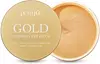 Key Ingredients
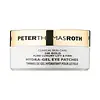
Benefits
Concerns
Ingredients Side-by-side
Water
Skin ConditioningCalcium Chloride
AstringentGlycerin
Humectant



Ceratonia Siliqua Gum
EmollientXanthan Gum
EmulsifyingMethylpropanediol
SolventPanax Ginseng Root Extract
Emollient

Ethyl Hexanediol
SolventCitrus Grandis Seed Extract
Astringent
Bambusa Textilis Stem Extract
Skin ConditioningPinus Palustris Leaf Extract
TonicPEG-60 Hydrogenated Castor Oil
Emulsifying

Scutellaria Baicalensis Root Extract
AstringentCamellia Sinensis Leaf Extract
Antimicrobial


Houttuynia Cordata Extract
Skin Conditioning
Artemisia Princeps Leaf Extract
Skin ConditioningCitrus Junos Fruit Extract
Skin Conditioning1,2-Hexanediol
Skin Conditioning
Caprylyl Glycol
Emollient
Chondrus Crispus Powder
Abrasive
Swiftlet Nest Extract
Skin ConditioningChlorphenesin
Antimicrobial
Phenoxyethanol
Preservative
Ethylhexylglycerin
Skin ConditioningSynthetic Fluorphlogopite
Titanium Dioxide
Cosmetic Colorant

CI 77491
Cosmetic ColorantAloe Barbadensis Leaf Extract
Emollient
Betaine
Humectant
Rosa Centifolia Flower Water
Skin ConditioningHydrolyzed Collagen
Emollient
Hydroxyethylcellulose
Emulsion StabilisingSodium Hyaluronate
Humectant
Disodium EDTA
Parfum
Masking

Limonene
Perfuming

Paraffinum Liquidum
Emollient
Gold
Cosmetic ColorantWater, Calcium Chloride, Glycerin, Ceratonia Siliqua Gum, Xanthan Gum, Methylpropanediol, Panax Ginseng Root Extract, Ethyl Hexanediol, Citrus Grandis Seed Extract, Bambusa Textilis Stem Extract, Pinus Palustris Leaf Extract, PEG-60 Hydrogenated Castor Oil, Scutellaria Baicalensis Root Extract, Camellia Sinensis Leaf Extract, Houttuynia Cordata Extract, Artemisia Princeps Leaf Extract, Citrus Junos Fruit Extract, 1,2-Hexanediol, Caprylyl Glycol, Chondrus Crispus Powder, Swiftlet Nest Extract, Chlorphenesin, Phenoxyethanol, Ethylhexylglycerin, Synthetic Fluorphlogopite, Titanium Dioxide, CI 77491, Aloe Barbadensis Leaf Extract, Betaine, Rosa Centifolia Flower Water, Hydrolyzed Collagen, Hydroxyethylcellulose, Sodium Hyaluronate, Disodium EDTA, Parfum, Limonene, Paraffinum Liquidum, Gold
Water
Skin ConditioningGlycerin
Humectant
Carrageenan
Butylene Glycol
Humectant
Ceratonia Siliqua Gum
EmollientColloidal Gold
AntimicrobialSodium Hyaluronate
Humectant
Hydrolyzed Collagen
Emollient
Caffeine
Skin Conditioning
Niacinamide
Smoothing


Aloe Barbadensis Leaf Juice Powder
Skin Conditioning
Tocopheryl Acetate
Antioxidant
Allantoin
Skin Conditioning
Jania Rubens Extract
Skin ConditioningAdenosine
Skin Conditioning
Lavandula Angustifolia Oil
Masking
Ricinus Communis Seed Oil
Masking
Calcium Lactate
AstringentXanthan Gum
EmulsifyingDisodium EDTA
PEG-60 Hydrogenated Castor Oil
Emulsifying
Synthetic Fluorphlogopite
Mica
Cosmetic Colorant
Tin Oxide
Abrasive
Chlorphenesin
Antimicrobial
Phenoxyethanol
Preservative
CI 77480
Cosmetic ColorantCI 77491
Cosmetic ColorantCI 77891
Cosmetic ColorantWater, Glycerin, Carrageenan, Butylene Glycol, Ceratonia Siliqua Gum, Colloidal Gold, Sodium Hyaluronate, Hydrolyzed Collagen, Caffeine, Niacinamide, Aloe Barbadensis Leaf Juice Powder, Tocopheryl Acetate, Allantoin, Jania Rubens Extract, Adenosine, Lavandula Angustifolia Oil, Ricinus Communis Seed Oil, Calcium Lactate, Xanthan Gum, Disodium EDTA, PEG-60 Hydrogenated Castor Oil, Synthetic Fluorphlogopite, Mica, Tin Oxide, Chlorphenesin, Phenoxyethanol, CI 77480, CI 77491, CI 77891
Ingredients Explained
These ingredients are found in both products.
Ingredients higher up in an ingredient list are typically present in a larger amount.
Ceratonia Siliqua Gum is extracted from the seeds of the carob tree. You might know this ingredient as Carob Gum or Locust Bean Gum. It is used to stabilize other ingredients and improve the texture of products.
Carob gum is made up of long-chain polysaccharides. This makes it a natural thickener.
Yes! This ingredient comes from the seeds of a tree. The name 'Locust Bean Gum' can be misleading.
Learn more about Ceratonia Siliqua GumChlorphenesin is a synthetic preservative. It helps protect a product against bacteria in order to extend shelf life. In most cases, Chlorphenesin is paired with other preservatives such as phenoxyethanol and caprylyl glycol.
Chlorphenesin is a biocide. This means it is able to help fight the microorganisms on our skin. It is also able to fight odor-releasing bacteria.
Chlorphenesin is soluble in both water and glycerin.
Studies show Chlorphenesin is easily absorbed by our skin. You should speak with a skincare professional if you have concerns about using Chlorphenesin.
Learn more about ChlorphenesinCi 77491 is also hydrated iron III oxide. It's sole purpose is to give a red/pink hue to products.
Iron III oxides are classified as inorganic chemicals for coloring.
Synthetically created Ci 77491 is considered safer than those naturally found. This is because the synthetically created version may contain less impurities. Iron oxides are generally non-toxic and non-allergenic.
Learn more about CI 77491Disodium EDTA plays a role in making products more stable by aiding other preservatives.
It is a chelating agent, meaning it neutralizes metal ions that may be found in a product.
Disodium EDTA is a salt of edetic acid and is found to be safe in cosmetic ingredients.
Learn more about Disodium EDTAGlycerin is already naturally found in your skin. It helps moisturize and protect your skin.
A study from 2016 found glycerin to be more effective as a humectant than AHAs and hyaluronic acid.
As a humectant, it helps the skin stay hydrated by pulling moisture to your skin. The low molecular weight of glycerin allows it to pull moisture into the deeper layers of your skin.
Hydrated skin improves your skin barrier; Your skin barrier helps protect against irritants and bacteria.
Glycerin has also been found to have antimicrobial and antiviral properties. Due to these properties, glycerin is often used in wound and burn treatments.
In cosmetics, glycerin is usually derived from plants such as soybean or palm. However, it can also be sourced from animals, such as tallow or animal fat.
This ingredient is organic, colorless, odorless, and non-toxic.
Glycerin is the name for this ingredient in American English. British English uses Glycerol/Glycerine.
Learn more about GlycerinHydrolyzed collagen has a misleading name because it is actually a mixture of various proteins/peptides. This ingredient has skin hydrating properties.
Collagen is the most abundant type of structural protein found in your body. In your skin, it is responsible for keeping it firm and youthful.
Hydrolyzed Collagen is created by breaking up proteins into smaller peptide bonds. These peptides act as humectants and emollients.
Humectants are great at holding onto water, keeping skin hydrated. Emollients create a thin barrier on the skin to prevent moisture from escaping.
There is ongoing debate about whether hydrolyzed collagen works because it increases skin hydration. Skin hydration is also linked to elasticity and the appearance of wrinkles.
Collagen or peptide ingredients can be used in the morning or night. They will not increase sun sensitivity, but you should always wear sunscreen during the day.
According to a manufacturer, this ingredient is a great hair conditioner as well.
This ingredient can be extracted from different sources, including:
Vegan collagen is derived from yeast, bacteria, or plant sources. Vegan collagen would go by a different INCI name, such as hydrolyzed soy protein.
The results are varied.
A study from 2021 found hydrolyzed collagen increased elasticity and improved wrinkles in 1,125 participants between age 20 and 70. Another study found increased skin thickness in participants between the ages of 45 to 59.
However, It is difficult to prove that oral collagen will end up working on your skin. Many of the studies using hydrolyzed collagen also add several vitamins and nutrients into the test mixture as well.
Further studies are needed at this time.
Learn more about Hydrolyzed CollagenPeg-60 Hydrogenated Castor Oil comes from hydrogenated castor oil. It is a solubilizer and emulsifier.
As a solubilizer, it helps dissolve ingredients into a water-based version. It is also an emulsifer. Emulsifier help prevent oils and water from separating. Both these properties help create evenly-spread and uniform products.
Basically, Peg-60 Hydrogenated Castor Oil helps hold ingredients together.
Learn more about PEG-60 Hydrogenated Castor OilPhenoxyethanol is a preservative that has germicide, antimicrobial, and aromatic properties. Studies show that phenoxyethanol can prevent microbial growth. By itself, it has a scent that is similar to that of a rose.
It's often used in formulations along with Caprylyl Glycol to preserve the shelf life of products.
Sodium Hyaluronate is hyaluronic acid's salt form. It is commonly derived from the sodium salt of hyaluronic acid.
Like hyaluronic acid, it is great at holding water and acts as a humectant. This makes it a great skin hydrating ingredient.
Sodium Hyaluronate is naturally occurring in our bodies and is mostly found in eye fluid and joints.
These are some other common types of Hyaluronic Acid:
Learn more about Sodium HyaluronateSynthetic Fluorphlogopite is the synthethic version of mica. It consists of fluorine, aluminum and silicate.
Synthetic Fluorphlogopite is used to add volume to products.
It is considered non-irritating on the skin.
Learn more about Synthetic FluorphlogopiteWater. It's the most common cosmetic ingredient of all. You'll usually see it at the top of ingredient lists, meaning that it makes up the largest part of the product.
So why is it so popular? Water most often acts as a solvent - this means that it helps dissolve other ingredients into the formulation.
You'll also recognize water as that liquid we all need to stay alive. If you see this, drink a glass of water. Stay hydrated!
Learn more about WaterXanthan gum is used as a stabilizer and thickener within cosmetic products. It helps give products a sticky, thick feeling - preventing them from being too runny.
On the technical side of things, xanthan gum is a polysaccharide - a combination consisting of multiple sugar molecules bonded together.
Xanthan gum is a pretty common and great ingredient. It is a natural, non-toxic, non-irritating ingredient that is also commonly used in food products.
Learn more about Xanthan Gum
