Peter Thomas Roth Even Smoother Glycolic Retinol Resurfacing Peel Pads Versus Peter Thomas Roth Peptide Skinjection Exfoliating Peel Pads
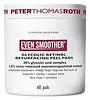
This smoothing exfoliating pad uses a pre-saturated pad with Glycolic Acid and Retinol to refine skin texture and soften the look of wrinkles.
This smoothing exfoliating pad uses a pre-saturated pad with Phytic Acid and Salicylic Acid to refine skin texture and soften the look of wrinkles.

What's inside
What's inside
 Key Ingredients
Benefits
Concerns
Ingredients Side-by-side
Water
Skin ConditioningGlycolic Acid
Buffering











Sodium Hydroxide
BufferingButylene Glycol
Humectant

Retinol
Skin Conditioning
Lecithin
Emollient
Sodium Hyaluronate
Humectant

Allantoin
Skin Conditioning
Niacinamide
Smoothing
Adenosine
Skin Conditioning
Potassium Sorbate
Preservative
Sodium Benzoate
Masking
Potassium Phosphate
BufferingEthylhexylglycerin
Skin ConditioningPentylene Glycol
Skin Conditioning
Polysorbate 20
Emulsifying
Alcohol
Antimicrobial


Phenoxyethanol
Preservative
Water
Skin ConditioningButylene Glycol
Humectant
Sodium Lactate
Buffering
Ethoxydiglycol
HumectantPhytic Acid
Chelating
PPG-5-Ceteth-20
EmulsifyingRosa Centifolia Flower Water
Skin ConditioningHamamelis Virginiana Water
Astringent
Salicylic Acid
Masking
Tocopheryl Acetate
Antioxidant

Chamomilla Recutita Flower Extract
Masking
Camellia Sinensis Leaf Extract
Antimicrobial
Aloe Barbadensis Leaf Juice
Skin Conditioning
Aminobutyric Acid
Borago Officinalis Seed Oil
Emollient

Glycine
Buffering
Symphytum Officinale Leaf Extract
Skin ConditioningSerine
Masking
Glutamic Acid
Humectant
Caprylic/Capric Triglyceride
Masking
Potassium Sorbate
Preservative
Sodium Benzoate
Masking
Aspartic Acid
Masking
Citrus Limon Peel Extract
EmollientLeucine
Skin ConditioningAlanine
Masking
Lysine
Skin ConditioningArginine
Masking
Benzoic Acid
Masking
Tyrosine
MaskingPhenylalanine
Masking
Threonine
Proline
Skin Conditioning
Valine
MaskingIsoleucine
Skin ConditioningHistidine
Humectant
Citric Acid
Buffering
Citrus Aurantium Dulcis Fruit Extract
MaskingZingiber Officinale Root Extract
Masking
Citrus Aurantifolia Peel Extract
Cleansing
Salvia Officinalis Leaf Extract
CleansingMentha Piperita Extract
CleansingCitrus Tangerina Peel Extract
AstringentAscorbic Acid
Antioxidant
Sodium Hydroxide
BufferingSodium Ascorbyl Phosphate
Antioxidant
Phenoxyethanol
Preservative
Water, Butylene Glycol, Sodium Lactate, Ethoxydiglycol, Phytic Acid, PPG-5-Ceteth-20, Rosa Centifolia Flower Water, Hamamelis Virginiana Water, Salicylic Acid, Tocopheryl Acetate, Chamomilla Recutita Flower Extract, Camellia Sinensis Leaf Extract, Aloe Barbadensis Leaf Juice, Aminobutyric Acid, Borago Officinalis Seed Oil, Glycine, Symphytum Officinale Leaf Extract, Serine, Glutamic Acid, Caprylic/Capric Triglyceride, Potassium Sorbate, Sodium Benzoate, Aspartic Acid, Citrus Limon Peel Extract, Leucine, Alanine, Lysine, Arginine, Benzoic Acid, Tyrosine, Phenylalanine, Threonine, Proline, Valine, Isoleucine, Histidine, Citric Acid, Citrus Aurantium Dulcis Fruit Extract, Zingiber Officinale Root Extract, Citrus Aurantifolia Peel Extract, Salvia Officinalis Leaf Extract, Mentha Piperita Extract, Citrus Tangerina Peel Extract, Ascorbic Acid, Sodium Hydroxide, Sodium Ascorbyl Phosphate, Phenoxyethanol
Ingredients Explained
These ingredients are found in both products.
Ingredients higher up in an ingredient list are typically present in a larger amount.
Butylene Glycol (or BG) is used within cosmetic products for a few different reasons:
Overall, Butylene Glycol is a safe and well-rounded ingredient that works well with other ingredients.
Though this ingredient works well with most skin types, some people with sensitive skin may experience a reaction such as allergic rashes, closed comedones, or itchiness.
Learn more about Butylene GlycolPhenoxyethanol is one of the most widely used preservatives in skincare (and for good reason!).
It has a large spectrum of antimicrobial activity and especially effective bacteria, yeast, and mold while only having a weak effect on your skin's natural microbiome.
On a cellular level, it disrupts the cell membranes of microbes by poking holes that make the cell leak. This shuts down the chemical reactions the microbe needs to make energy so it can no longer survive.
Another perk of this ingredient is that it stays functional across a wide pH range (3-10).
You'll often see it paired with boosters like Ethylhexylglycerin; one study showed that a 1:9 ratio of Ethylhexylglycerin to Phenoxyethanol damages bacterial membranes as effectively as doubling the Phenoxyethanol concentration on its own.
Typical use concentrations range from 0.3-1% depending on the formula, and this ingredient is capped at 1% int the EU.
Safety-wise, the fear mongering does not hold up to the evidence. The EU's Scientific Committee on Consumer Safety and FDA consider it safe as a preservative at up to 1%, including for children of all ages.
Adverse systemic effects only showed up in animal studies at exposures roughly 200x higher than what people get from cosmetics. And despite its very widespread use, this ingredient is a rare sensitizer and allergic reactions are uncommon.
Learn more about PhenoxyethanolPotassium Sorbate is a preservative used to prevent yeast and mold in products. It is commonly found in both cosmetic and food products.
This ingredient comes from potassium salt derived from sorbic acid. Sorbic acid is a natural antibiotic and effective against fungus.
Both potassium sorbate and sorbic acid can be found in baked goods, cheeses, dried meats, dried fruit, ice cream, pickles, wine, yogurt, and more.
You'll often find this ingredient used with other preservatives.
Learn more about Potassium SorbateSodium Benzoate is a preservative. It's used in both cosmetic and food products to inhibit the growth of mold and bacteria. It is typically produced synthetically.
Both the US FDA and EU Health Committee have approved the use of sodium benzoate. In the US, levels of 0.1% (of the total product) are allowed.
Sodium benzoate works as a preservative by inhibiting the growth of bacteria inside of cells. It prevents the cell from fermenting a type of sugar using an enzyme called phosphofructokinase.
It is the salt of benzoic acid. Foods containing sodium benzoate include soda, salad dressings, condiments, fruit juices, wines, and snack foods.
Studies for using ascorbic acid and sodium benzoate in cosmetics are lacking, especially in skincare routines with multiple steps.
We always recommend speaking with a professional, such as a dermatologist, if you have any concerns.
Learn more about Sodium BenzoateSodium Hydroxide is also known as lye or caustic soda. It is used to adjust the pH of products; many ingredients require a specific pH to be effective.
In small amounts, sodium hydroxide is considered safe to use. However, large amounts may cause chemical burns due to its high alkaline.
Your skin has a natural pH and acid mantle. This acid mantle helps prevent harmful bacteria from breaking through. The acid mantle also helps keep your skin hydrated.
"Alkaline" refers to a high pH level. A low pH level would be considered acidic.
Learn more about Sodium HydroxideWater. It's the most common cosmetic ingredient of all. You'll usually see it at the top of ingredient lists, meaning that it makes up the largest part of the product.
So why is it so popular? Water most often acts as a solvent - this means that it helps dissolve other ingredients into the formulation.
You'll also recognize water as that liquid we all need to stay alive. If you see this, drink a glass of water. Remember to stay hydrated!
Learn more about Water

