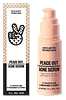
This acne serum is formulated around Salicylic Acid and Niacinamide to clear breakouts and refine the look of pores.
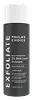
This smoothing exfoliator is formulated around Salicylic Acid to refine skin texture and refine the look of pores.

What's inside
What's inside
 Key Ingredients
Benefits
Concerns
Ingredients Side-by-side
Salicylic Acid 2%
Masking










Water
Skin ConditioningPropanediol
Solvent

Dimethicone
Emollient

Niacinamide
Smoothing




Isopentyldiol
Humectant
Sodium Polyacryloyldimethyl Taurate
Emulsion StabilisingZinc PCA
Humectant
3-O-Ethyl Ascorbic Acid
Skin Conditioning
Aloe Barbadensis Leaf Extract
Emollient
Centella Asiatica Extract
Cleansing
Trifolium Pratense Flower Extract
AstringentSodium Hyaluronate
Humectant
Saccharide Isomerate
Humectant
Glycerin
Humectant
Ethylhexylglycerin
Skin ConditioningPotassium Azeloyl Diglycinate
Skin Conditioning
Cetearyl Olivate

Butylene Glycol
Humectant
Sorbitan Olivate
Emulsifying
Polysilicone-11
Decyl Glucoside
Cleansing
Caprylyl Glycol
Emollient
1,2-Hexanediol
Skin Conditioning
Maltodextrin
Absorbent
Ethoxydiglycol
HumectantTotarol
Antioxidant
Lavandula Hybrida Oil
Emollient
Citrus Aurantium Bergamia Fruit Oil
Masking

Tocopheryl Acetate
Antioxidant
Phenoxyethanol
Preservative
Disodium EDTA
ChelatingPotassium Hydroxide
BufferingSalicylic Acid 2%, Water, Propanediol, Dimethicone, Niacinamide, Isopentyldiol, Sodium Polyacryloyldimethyl Taurate, Zinc PCA, 3-O-Ethyl Ascorbic Acid, Aloe Barbadensis Leaf Extract, Centella Asiatica Extract, Trifolium Pratense Flower Extract, Sodium Hyaluronate, Saccharide Isomerate, Glycerin, Ethylhexylglycerin, Potassium Azeloyl Diglycinate, Cetearyl Olivate, Butylene Glycol, Sorbitan Olivate, Polysilicone-11, Decyl Glucoside, Caprylyl Glycol, 1,2-Hexanediol, Maltodextrin, Ethoxydiglycol, Totarol, Lavandula Hybrida Oil, Citrus Aurantium Bergamia Fruit Oil, Tocopheryl Acetate, Phenoxyethanol, Disodium EDTA, Potassium Hydroxide
Reviews
Ingredients Explained
These ingredients are found in both products.
Ingredients higher up in an ingredient list are typically present in a larger amount.
Butylene Glycol (or BG) is used within cosmetic products for a few different reasons:
Overall, Butylene Glycol is a safe and well-rounded ingredient that works well with other ingredients.
Though this ingredient works well with most skin types, some people with sensitive skin may experience a reaction such as allergic rashes, closed comedones, or itchiness.
Learn more about Butylene GlycolSalicylic Acid (also known as beta hydroxy acid or BHA) is a well-known ingredient for treating skin that struggles with acne and clogged pores. It exfoliates both the skin's surface and deep within the pores to help clear out buildup, control oil, and reduce inflammation.
Unlike AHAs (alpha hydroxy acids), salicylic acid is oil-soluble. This allows it to penetrate into pores which makes it especially effective for treating blackheads and preventing future breakouts.
Salicylic acid is also known for its soothing properties. It has a similar structure to aspirin and can calm inflamed or irritated skin, making it a good option for acne-prone skin that is also sensitive.
Concentrations of 0.5-2% are recognized by the U.S. FDA as an over-the-counter topical acne product.
It can cause irritation and/or dryness if one's skin already has a compromised moisture barrier, so it's best to focus on repairing that before introducing this ingredient into your routine.
While salicylic acid does not increase sun sensitivity, it’s still important to wear sunscreen daily to protect your skin.
If you are looking for the ingredient called BHA or Butylated Hydroxyanisole, click here.
Learn more about Salicylic AcidWater. It's the most common cosmetic ingredient of all. You'll usually see it at the top of ingredient lists, meaning that it makes up the largest part of the product.
So why is it so popular? Water most often acts as a solvent - this means that it helps dissolve other ingredients into the formulation.
You'll also recognize water as that liquid we all need to stay alive. If you see this, drink a glass of water. Remember to stay hydrated!
Learn more about Water

