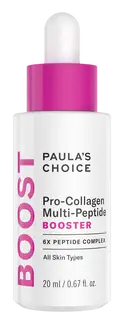
This anti-aging serum is formulated around Palmitoyl Tripeptide-5 and Tridecapeptide-1 to soften the look of wrinkles and refine skin texture.
This anti-aging serum is formulated around Copper Tripeptide-1 and Palmitoyl Tetrapeptide-7 to soften the look of wrinkles and refine skin texture.

What's inside
What's inside
 Key Ingredients
Benefits
Concerns
Ingredients Side-by-side
Water
Skin ConditioningGlycerin
Humectant


Pentylene Glycol
Skin Conditioning
Hydrolyzed Yeast Extract
Skin ConditioningPyrus Malus Fruit Extract
Skin Conditioning
Dimethicone
Emollient
Propanediol
Solvent
1,2-Hexanediol
Skin Conditioning
Glyceryl Glucoside
Humectant
Palmitoyl Tetrapeptide-72 Amide
Skin Conditioning
Sh-Polypeptide-121
Skin Conditioning
Palmitoyl Dipeptide-5 Diaminobutyroyl Hydroxythreonine
Skin Conditioning
Palmitoyl Tripeptide-5
Skin Conditioning

Tridecapeptide-1
Skin Conditioning
Tetradecyl Aminobutyroylvalylaminobutyric Urea Trifluoroacetate
Skin ConditioningPolyglucuronic Acid
Skin ConditioningSodium Hyaluronate
Humectant

C9-12 Alkane
SolventAmmonium Polyacryloyldimethyl Taurate
Emulsion StabilisingPolygonum Bistorta Root Extract
Skin ConditioningBacillus Ferment
Skin Conditioning

Lecithin
Emollient
Sodium Phytate
ChelatingCoco-Caprylate/Caprate
Emollient
Hexylene Glycol
EmulsifyingCetyl Hydroxyethylcellulose
Emulsion StabilisingXanthan Gum
EmulsifyingEthylhexylglycerin
Skin ConditioningCaprylyl Glycol
Emollient
Magnesium Chloride
Citric Acid
Buffering

Potassium Sorbate
Preservative
Sodium Benzoate
Masking
Water, Glycerin, Pentylene Glycol, Hydrolyzed Yeast Extract, Pyrus Malus Fruit Extract, Dimethicone, Propanediol, 1,2-Hexanediol, Glyceryl Glucoside, Palmitoyl Tetrapeptide-72 Amide, Sh-Polypeptide-121, Palmitoyl Dipeptide-5 Diaminobutyroyl Hydroxythreonine, Palmitoyl Tripeptide-5, Tridecapeptide-1, Tetradecyl Aminobutyroylvalylaminobutyric Urea Trifluoroacetate, Polyglucuronic Acid, Sodium Hyaluronate, C9-12 Alkane, Ammonium Polyacryloyldimethyl Taurate, Polygonum Bistorta Root Extract, Bacillus Ferment, Lecithin, Sodium Phytate, Coco-Caprylate/Caprate, Hexylene Glycol, Cetyl Hydroxyethylcellulose, Xanthan Gum, Ethylhexylglycerin, Caprylyl Glycol, Magnesium Chloride, Citric Acid, Potassium Sorbate, Sodium Benzoate
Acetyl Sh-Heptapeptide-1
Skin Conditioning
Butylene Glycol
Humectant
Butyrospermum Parkii Butter
Skin Conditioning


Camellia Sinensis Leaf Extract
Antimicrobial



Caprylyl Glycol
Emollient
Carbomer
Emulsion StabilisingCopper Tripeptide-1
Skin Conditioning
Dimethyl Mea
BufferingEthylhexylglycerin
Skin ConditioningGlycereth-26
Humectant
Glycerin
Humectant
Glycine
Buffering
Hexylene Glycol
EmulsifyingHibiscus Abelmoschus Extract
MaskingHydrogenated Lecithin
Emulsifying
Hydrolyzed Soy Protein
Humectant
Lecithin
Emollient
Malus Domestica Fruit Cell Culture Extract
Skin ConditioningMoringa Oleifera Seed Oil
Emollient
Palmitoyl Tetrapeptide-7
Skin Conditioning
Palmitoyl Tripeptide-1
Skin Conditioning
Panthenol
Skin Conditioning
Pentylene Glycol
Skin Conditioning
Phenoxyethanol
Preservative
Polysorbate 20
Emulsifying
Propanediol
Solvent
Rosa Centifolia Flower Water
Skin ConditioningRosa Centifolia Flower Oil
Masking
Rosmarinus Officinalis Leaf Extract
AntimicrobialSodium Hyaluronate
Humectant
Sodium Hydroxide
BufferingSorbitol
Humectant
Tetrahexyldecyl Ascorbate
Antioxidant
Water
Skin ConditioningXanthan Gum
EmulsifyingPhenethyl Alcohol
MaskingAcetyl Sh-Heptapeptide-1, Butylene Glycol, Butyrospermum Parkii Butter, Camellia Sinensis Leaf Extract, Caprylyl Glycol, Carbomer, Copper Tripeptide-1, Dimethyl Mea, Ethylhexylglycerin, Glycereth-26, Glycerin, Glycine, Hexylene Glycol, Hibiscus Abelmoschus Extract, Hydrogenated Lecithin, Hydrolyzed Soy Protein, Lecithin, Malus Domestica Fruit Cell Culture Extract, Moringa Oleifera Seed Oil, Palmitoyl Tetrapeptide-7, Palmitoyl Tripeptide-1, Panthenol, Pentylene Glycol, Phenoxyethanol, Polysorbate 20, Propanediol, Rosa Centifolia Flower Water, Rosa Centifolia Flower Oil, Rosmarinus Officinalis Leaf Extract, Sodium Hyaluronate, Sodium Hydroxide, Sorbitol, Tetrahexyldecyl Ascorbate, Water, Xanthan Gum, Phenethyl Alcohol
Reviews
Ingredients Explained
These ingredients are found in both products.
Ingredients higher up in an ingredient list are typically present in a larger amount.
Caprylyl Glycol is a humectant, skin conditioner, emollient, and preservative booster derived from either caprylic acid or synthetically created.
Typical use levels vary from 0.3-1% as a preservative booster and go up to 2% to condition skin.
Because it is not a free-fatty acid, this ingredient is fungal acne safe (there's nothing for Malassezia to feed on).
Learn more about Caprylyl GlycolEthylhexylglycerin is created from glycerin. It is a multitasker ingredient that:
The CIR Expert Panel found minimal skin absorption or sensitization of any kind in a safety assessment. Though this ingredient is considered well-tolerated, a small number of cases of allergic dermatitis have been published since 2002. Just be sure to patch test if you are unsure.
Industry-reported use ranges from 8% in rinse-off products and 2% in leave-on formulations.
Learn more about EthylhexylglycerinGlycerin (or glycerol) is a compound naturally found in your skin. It's a powerhouse humectant that pulls water into the stratum corneum.
Topically, glycerin does several things at once:
Your skin makes glycerin on its own (mostly from sebaceous oil breakdown) and shuttles it to your outermost layer of skin, or your epidermis, via aquaporin-3.
Aquaporin-3 is a transporter that is essential for normal skin hydration, elasticity, and repair. Interestingly, mice lacking in AQP3 have dry and less elastic skin that can be fully corrected with glycerin.
This ingredient is non-irritating, plays well with almost every ingredient, and works across all skin types. Typical use is anywhere between 3-10% but can go up to 79% in some leave-on products.
Just know very high concentrations (>40%) can feel tacky in low humidity.
Glycerin is the name for this ingredient in American English. British English uses Glycerol/Glycerine.
Learn more about GlycerinHexylene Glycol is a multitasker ingredient that works as a solvent, humectant, emulsifier, viscosity reducer, and preservative booster.
It is able to dissolve both water and oil-soluble ingredients to stabilize tricky actives and make products spread more easily.
As a humectant, it pulls water into the skin. But it's a pretty minor moisturizing ingredient compared to other humectants, like glycerin.
Interestingly, it can act as a mild penetration enhancer. One in vitro study on human skin found a 12% concentration upped the absorption of mometasone furoate (a medicinal ingredient used to treat inflammatory skin conditions) up to 7%.
This ingredient is typically used at levels of 0.1-10% depending on the role it's playing.
A patch test study on eczema patients didn't find a significant increase in irritation versus the control group, but the potential for irritation rises at higher concentrations.
Learn more about Hexylene GlycolLecithin is a term for a group of substances found in the cell membranes of plants, animals, and humans. They are made up of phospholipids.
Thanks to its amphiphilic structure (water-loving head and oil-loving tail), it is a true multitasker:
It plays well with most ingredients and is typically used at 0.1-1%. However, concentrations up to 50% have been reported in moisturizers.
Learn more about LecithinPentylene Glycol (1,2-pentanediol) is a multitasking little diol with three main roles in a formula:
Research on alkanediols (the family pentylene glycol belongs to) show they work by disrupting microbial cell membranes. This disruption helps the primary preservative system in a product work more effectively at lower doses.
On the safety side, the Cosmetic Ingredient Review Expert Panel has concluded this ingredient to be safe as used in current cosmetic practices + concentrations.
Typical use levels in a formula run about 1-5%.
Learn more about Pentylene GlycolPropanediol is an all-star ingredient. It softens, hydrates, and smooths the skin.
It’s often used to:
Propanediol is not likely to cause sensitivity and considered safe to use. It is derived from corn or petroleum with a clear color and no scent.
Learn more about PropanediolSodium Hyaluronate is the salt form of hyaluronic acid. It is a long sugar chain that is naturally found in your skin, joints, and connective tissue that maintains hydration and elasticity.
In skincare, it works as a humectant. It pulls water from the environment and deeper layers of skin and binds it to the surface.
Interestingly, the size of the molecule affects its behavior:
Some clinical evidence links low molecular weight versions to improved wrinkle depth, elasticity, anti-inflammatory effects, and barrier repair.
Many serums use a blend of both weights so you can get surface hydration plus longer-lasting and deeper effects.
You'll typically see concentrations between 0.1-2% for this ingredient.
Learn more about Sodium HyaluronateWater. It's the most common cosmetic ingredient of all. You'll usually see it at the top of ingredient lists, meaning that it makes up the largest part of the product.
So why is it so popular? Water most often acts as a solvent - this means that it helps dissolve other ingredients into the formulation.
You'll also recognize water as that liquid we all need to stay alive. If you see this, drink a glass of water. Remember to stay hydrated!
Learn more about WaterXanthan gum is used as a stabilizer and thickener within cosmetic products. It helps give products a sticky, thick feeling - preventing them from being too runny.
On the technical side of things, xanthan gum is a polysaccharide - a combination consisting of multiple sugar molecules bonded together.
Xanthan gum is a pretty common and great ingredient. It is a natural, non-toxic, non-irritating ingredient that is also commonly used in food products.
Learn more about Xanthan Gum

