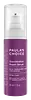
This brightening serum is formulated around Niacinamide and Tranexamic Acid to fade the look of dark spots and brighten dull-looking skin.
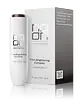
This brightening serum is formulated around Tranexamic Acid and Gluconolactone to fade the look of dark spots and brighten dull-looking skin.

What's inside
What's inside
 Key Ingredients
Benefits
Concerns
Ingredients Side-by-side
Water
Skin ConditioningNiacinamide
Smoothing











Glycerin
Humectant
Tranexamic Acid
Astringent
C13-15 Alkane
SolventCaprylic/Capric Triglyceride
Masking
Dicaprylyl Carbonate
EmollientEthyl Macadamiate
Skin Conditioning

Behenyl Alcohol
Emollient
Glyceryl Stearate
Emollient
Butylene Glycol
Humectant
Silybum Marianum Seed Oil
Skin Conditioning
Tocopherol
Antioxidant

Lactobacillus/Coconut Fruit Juice Ferment Filtrate
Skin Conditioning
Lecithin
Emollient
Bakuchiol
Antimicrobial
Xanthan Gum
EmulsifyingCaprylyl Glycol
Emollient
Hydrogenated Lecithin
Emulsifying
Allantoin
Skin Conditioning
Glycine Soja Oil
Emollient


Hexylene Glycol
EmulsifyingBoerhavia Diffusa Root Extract
Skin Protecting
Glycine Soja Sterols
Emollient
Citric Acid
Buffering
Sodium Phytate
ChelatingMalic Acid
Buffering

Phenoxyethanol
Preservative
Ethylhexylglycerin
Skin ConditioningWater, Niacinamide, Glycerin, Tranexamic Acid, C13-15 Alkane, Caprylic/Capric Triglyceride, Dicaprylyl Carbonate, Ethyl Macadamiate, Behenyl Alcohol, Glyceryl Stearate, Butylene Glycol, Silybum Marianum Seed Oil, Tocopherol, Lactobacillus/Coconut Fruit Juice Ferment Filtrate, Lecithin, Bakuchiol, Xanthan Gum, Caprylyl Glycol, Hydrogenated Lecithin, Allantoin, Glycine Soja Oil, Hexylene Glycol, Boerhavia Diffusa Root Extract, Glycine Soja Sterols, Citric Acid, Sodium Phytate, Malic Acid, Phenoxyethanol, Ethylhexylglycerin
Water
Skin ConditioningTranexamic Acid
Astringent
Isopentyldiol
Humectant
PEG-6 Caprylic/Capric Glycerides
EmulsifyingHydroxyphenoxy Propionic Acid
Skin ConditioningGluconolactone
Chelating
Propanediol
Solvent
Ascorbyl Propyl Hyaluronate
Skin Conditioning
Dipotassium Glycyrrhizate
Humectant
Strontium Chloride Hexahydrate
Skin ConditioningDimethyl Sulfone
SolventPhenoxyethanol
Preservative
Diethylhexyl Syringylidenemalonate
Skin Protecting
Resveratrol
Antioxidant
Glabridin
BleachingSodium Hyaluronate
Humectant
Sodium Acetylated Hyaluronate
Humectant
Hydrolyzed Hyaluronic Acid
Humectant
Hydroxypropyltrimonium Hyaluronate
Sodium Hyaluronate Crosspolymer
Humectant
Scutellaria Lateriflora Extract
Skin ConditioningMorus Alba Root Extract
BleachingHydrangea Arborescens Root Extract
Skin ConditioningCoceth-7
EmulsifyingPentapeptide-21
Skin Conditioning
PPG-1-PEG-9 Lauryl Glycol Ether
EmulsifyingPEG-40 Hydrogenated Castor Oil
Emulsifying
Hydroxypropyl Guar
Emulsion StabilisingPolysorbate 20
Emulsifying
Benzotriazolyl Dodecyl P-Cresol
UV AbsorberCaprylic/Capric Triglyceride
Masking
Caprylyl Glycol
Emollient
Potassium Sorbate
Preservative
Hexylene Glycol
EmulsifyingEthylhexylglycerin
Skin ConditioningWater, Tranexamic Acid, Isopentyldiol, PEG-6 Caprylic/Capric Glycerides, Hydroxyphenoxy Propionic Acid, Gluconolactone, Propanediol, Ascorbyl Propyl Hyaluronate, Dipotassium Glycyrrhizate, Strontium Chloride Hexahydrate, Dimethyl Sulfone, Phenoxyethanol, Diethylhexyl Syringylidenemalonate, Resveratrol, Glabridin, Sodium Hyaluronate, Sodium Acetylated Hyaluronate, Hydrolyzed Hyaluronic Acid, Hydroxypropyltrimonium Hyaluronate, Sodium Hyaluronate Crosspolymer, Scutellaria Lateriflora Extract, Morus Alba Root Extract, Hydrangea Arborescens Root Extract, Coceth-7, Pentapeptide-21, PPG-1-PEG-9 Lauryl Glycol Ether, PEG-40 Hydrogenated Castor Oil, Hydroxypropyl Guar, Polysorbate 20, Benzotriazolyl Dodecyl P-Cresol, Caprylic/Capric Triglyceride, Caprylyl Glycol, Potassium Sorbate, Hexylene Glycol, Ethylhexylglycerin
Reviews
Ingredients Explained
These ingredients are found in both products.
Ingredients higher up in an ingredient list are typically present in a larger amount.
Caprylic/Capric Triglyceride (aka MCT Oil) is a lightweight emollient, solvent, and texture enhancer. It is considered a skin-softener by helping to prevent moisture loss.
Though it behaves like an oil, it is not technically one due to its chemical composition. One perk of this ingredient is that it is very stable, resistant to oxidation, and unlikely to go rancid.
In practice, that translates to a long shelf life and a consistently elegant skin feel.
While there is an assumption Caprylic Triglyceride can clog pores due to it being derived from coconut oil, there is no research supporting this. Just patch test if you have concerns.
Fractionated coconut oil and MCT Oil are both listed as Caprylic/Capric Triglyceride according to INCI. This is because INCI names are based on the ingredient’s final chemical composition and not its marketing name or source.
This ingredient is treated as the gold standard fungal acne safe oil. Even though it is coconut derived, the problematic lauric acid is stripped out.
This leaves just caprylic (C8) and capric (C10) acid. These chain lengths actually trend antifungal; a 2020 study found caprylic acid was enough to disrupt Malassezia furfur cell membrane, with a caprylic acid derivative damaging membrane structures at concentrations as low as 0.2%.
Learn more about Caprylic/Capric TriglycerideCaprylyl Glycol is a humectant, skin conditioner, emollient, and preservative booster derived from either caprylic acid or synthetically created.
Typical use levels vary from 0.3-1% as a preservative booster and go up to 2% to condition skin.
Because it is not a free-fatty acid, this ingredient is fungal acne safe (there's nothing for Malassezia to feed on).
Learn more about Caprylyl GlycolEthylhexylglycerin is created from glycerin. It is a multitasker ingredient that:
The CIR Expert Panel found minimal skin absorption or sensitization of any kind in a safety assessment. Though this ingredient is considered well-tolerated, a small number of cases of allergic dermatitis have been published since 2002. Just be sure to patch test if you are unsure.
Industry-reported use ranges from 8% in rinse-off products and 2% in leave-on formulations.
Learn more about EthylhexylglycerinHexylene Glycol is a multitasker ingredient that works as a solvent, humectant, emulsifier, viscosity reducer, and preservative booster.
It is able to dissolve both water and oil-soluble ingredients to stabilize tricky actives and make products spread more easily.
As a humectant, it pulls water into the skin. But it's a pretty minor moisturizing ingredient compared to other humectants, like glycerin.
Interestingly, it can act as a mild penetration enhancer. One in vitro study on human skin found a 12% concentration upped the absorption of mometasone furoate (a medicinal ingredient used to treat inflammatory skin conditions) up to 7%.
This ingredient is typically used at levels of 0.1-10% depending on the role it's playing.
A patch test study on eczema patients didn't find a significant increase in irritation versus the control group, but the potential for irritation rises at higher concentrations.
Learn more about Hexylene GlycolPhenoxyethanol is one of the most widely used preservatives in skincare (and for good reason!).
It has a large spectrum of antimicrobial activity and especially effective bacteria, yeast, and mold while only having a weak effect on your skin's natural microbiome.
On a cellular level, it disrupts the cell membranes of microbes by poking holes that make the cell leak. This shuts down the chemical reactions the microbe needs to make energy so it can no longer survive.
Another perk of this ingredient is that it stays functional across a wide pH range (3-10).
You'll often see it paired with boosters like Ethylhexylglycerin; one study showed that a 1:9 ratio of Ethylhexylglycerin to Phenoxyethanol damages bacterial membranes as effectively as doubling the Phenoxyethanol concentration on its own.
Typical use concentrations range from 0.3-1% depending on the formula, and this ingredient is capped at 1% int the EU.
Safety-wise, the fear mongering does not hold up to the evidence. The EU's Scientific Committee on Consumer Safety and FDA consider it safe as a preservative at up to 1%, including for children of all ages.
Adverse systemic effects only showed up in animal studies at exposures roughly 200x higher than what people get from cosmetics. And despite its very widespread use, this ingredient is a rare sensitizer and allergic reactions are uncommon.
Learn more about PhenoxyethanolTranexamic Acid (TXA) is a synthetic lysine derivative that is becoming one of the most exciting brightening ingredients in skincare.
Originally used in medicine as an anti-hemorrhagic agent, its skin brightening potential was discovered by accident; patients taking it orally started noticing their melasma was fading.
Unlike most brighteners that target tyrosinase (the enzyme that synthesizes melanin), TXA works further upstream. It basically blocks your cells from receiving the signal to produce pigment.
This makes it one of the rare actives that works on three pathways at once:
This makes it effective for treating melasma, post-inflammatory hyperpigmentation (PIH), and sun-induced dark spots.
The most effective cosmetic concentration sits between 2-5% and going higher doesn't boost results.
Side effects are generally mild; occasional irritation, flaking, or dryness have been reported at the start of use. Overall, this ingredient is pretty well tolerated, even by sensitive skin types.
Another perk of this ingredient is that it does not cause photosensitivity, so it's safe to use in the AM and PM.
"Does it actually penetrate?" is the part that gets argued about online and the honest answer from research + clinical trials at this time is "yes, but not easily."
TXA is a small molecule that loves water and carries both a positive and negative charge at the same time. Skin's outer layer is oily so a water-loving molecule like this has a hard time getting through it. Liu et al. 2021 showed that it doesn't really stick around well in the deeper layer where pigment-making cells actually live.
A 2025 paper puts it simply: penetration is poor and it depends heavily on how the product is formulated (Winn et al., J Cosmet Dermatol).
But "poor" isn't "none" and the research is fairly clear that topical TXA does something. A 2026 review that pooled results from multiple studies found it helped with moderate melasma but it didn't outperform hydroquinone. Some individual studies at 3% and 5% went head to head with hydroquinone and help up well.
So the fair takeaway is that it works, it's just slower and fussier about formulation than other actives (how the serum is built matters a lot).
There's real evidence here and it's not just clinic marketing. Reviews of microneedling plus TXA report less pigmentation, less melanin, and less redness (Zhang et al., Chinese Journal of Plastic and Reconstructive Surgery, 2024).
The most useful study compared 42 patients getting microneedling plus TXA against microneedling on its own; the group that got the acid saw much bigger improvement. This suggests the acid is pulling its weight and the needling isn't doing all the work.
Just two things worth flagging here:
Oral TXA also works well for melasma and gets used in clinics. However, it is a systemic drug with clotting-related risks and needs a prescription. Injections into the skin have also been studied with good results.
Neither is something a cosmetic product can do, but they help explain why so much attention goes into getting the topical version right.
Learn more about Tranexamic AcidWater. It's the most common cosmetic ingredient of all. You'll usually see it at the top of ingredient lists, meaning that it makes up the largest part of the product.
So why is it so popular? Water most often acts as a solvent - this means that it helps dissolve other ingredients into the formulation.
You'll also recognize water as that liquid we all need to stay alive. If you see this, drink a glass of water. Remember to stay hydrated!
Learn more about Water

